Female Scalp Treatment for Hair Growth: The Essential Australian Checklist

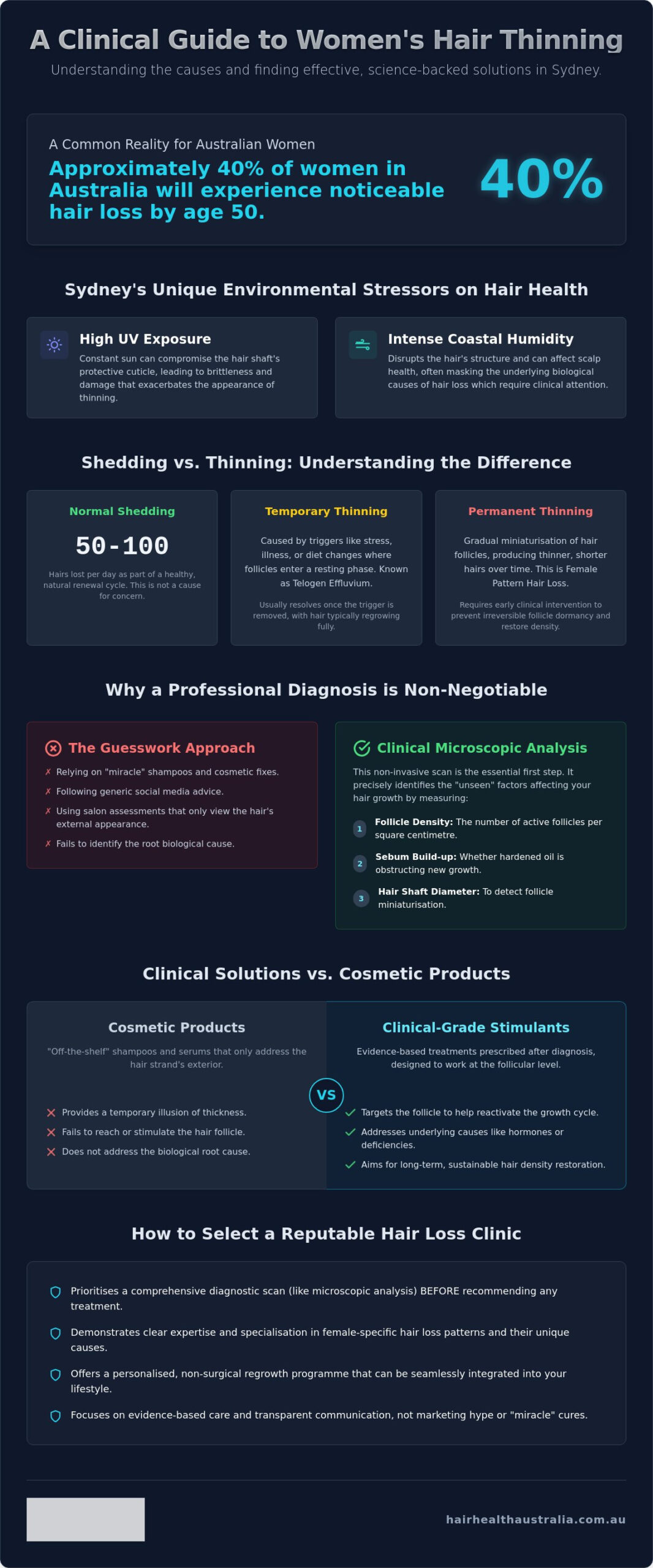
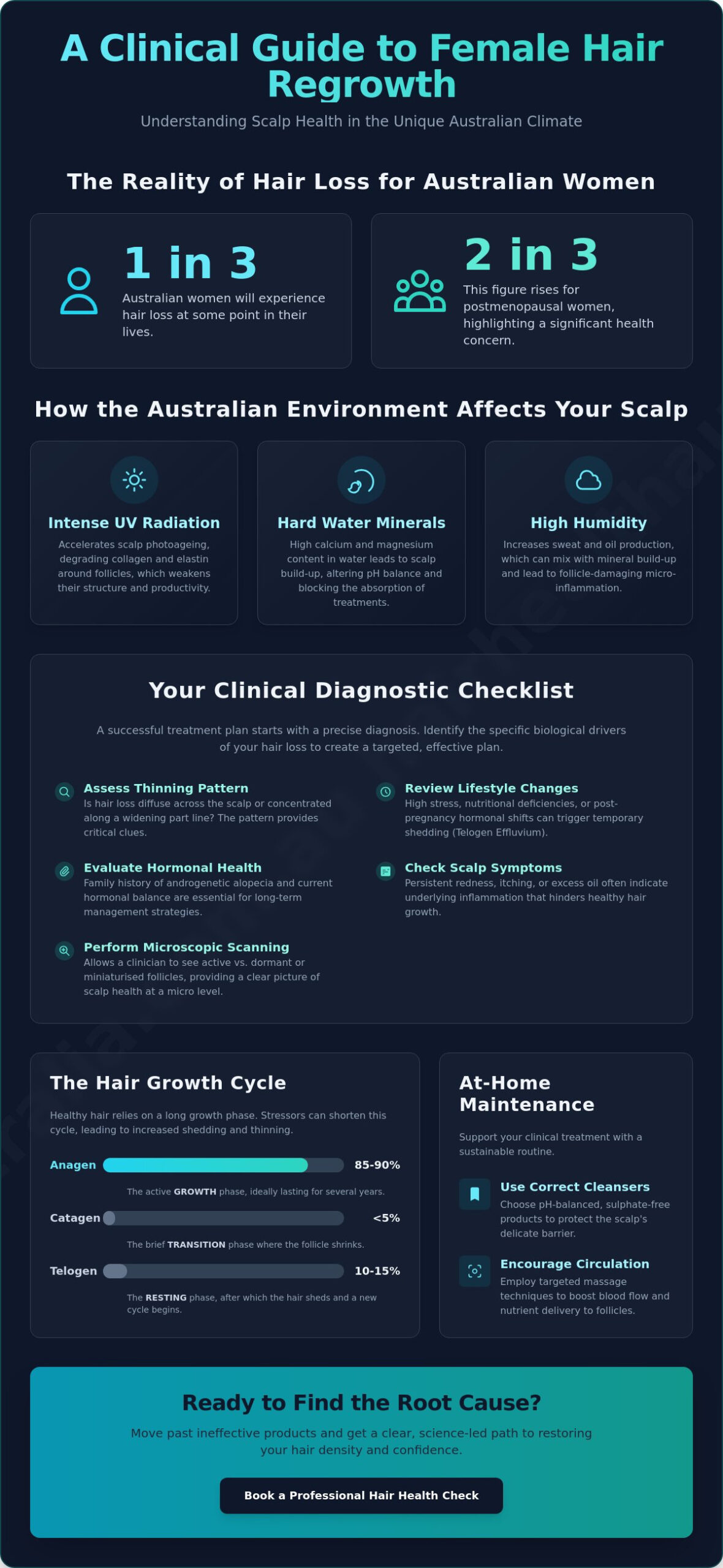
Did you know that approximately one-third of Australian women will experience hair loss at some point in their lives, a figure that rises to two-thirds for those who are postmenopausal? If you’ve spent months testing expensive “miracle” serums only to see more of your scalp in the mirror, you aren’t alone. Seeking a professional female scalp treatment for hair growth Australia shouldn’t feel like a gamble or a confusing maze of technical terms like PRP and laser therapy. You deserve a clear, clinical path that replaces anxiety with objective, science-led results.

We recognise that restoring hair density is about more than just aesthetics; it’s about regaining confidence through a systematic approach to scalp health. This article outlines a comprehensive, non-surgical framework designed specifically for the Australian climate and regulatory standards. You’ll discover how to move past the frustration of ineffective products and establish a sustainable maintenance plan. We will guide you through the essential diagnostic steps, evidence-based treatment modalities, and the lifestyle factors that ensure your results are both visible and lasting.

Key Takeaways

  • Understand how the unique Australian climate and high UV levels accelerate scalp ageing and why addressing skin health is vital for successful hair regrowth.
  • Learn to identify specific thinning patterns and lifestyle triggers as part of a clinical diagnostic checklist to find the root cause of hair density loss.
  • Evaluate non-surgical interventions, including Low-Level Laser Therapy and professional formulations, to determine the right female scalp treatment for hair growth Australia for your specific needs.
  • Establish a sustainable maintenance routine using pH-balanced, sulphate-free cleansers and targeted massage techniques to protect the scalp barrier and encourage circulation.
  • Discover how to navigate professional consultations with confidence by knowing the right questions to ask about evidence-based results and long-term care plans.

Understanding the Scalp-Hair Growth Connection in the Australian Climate

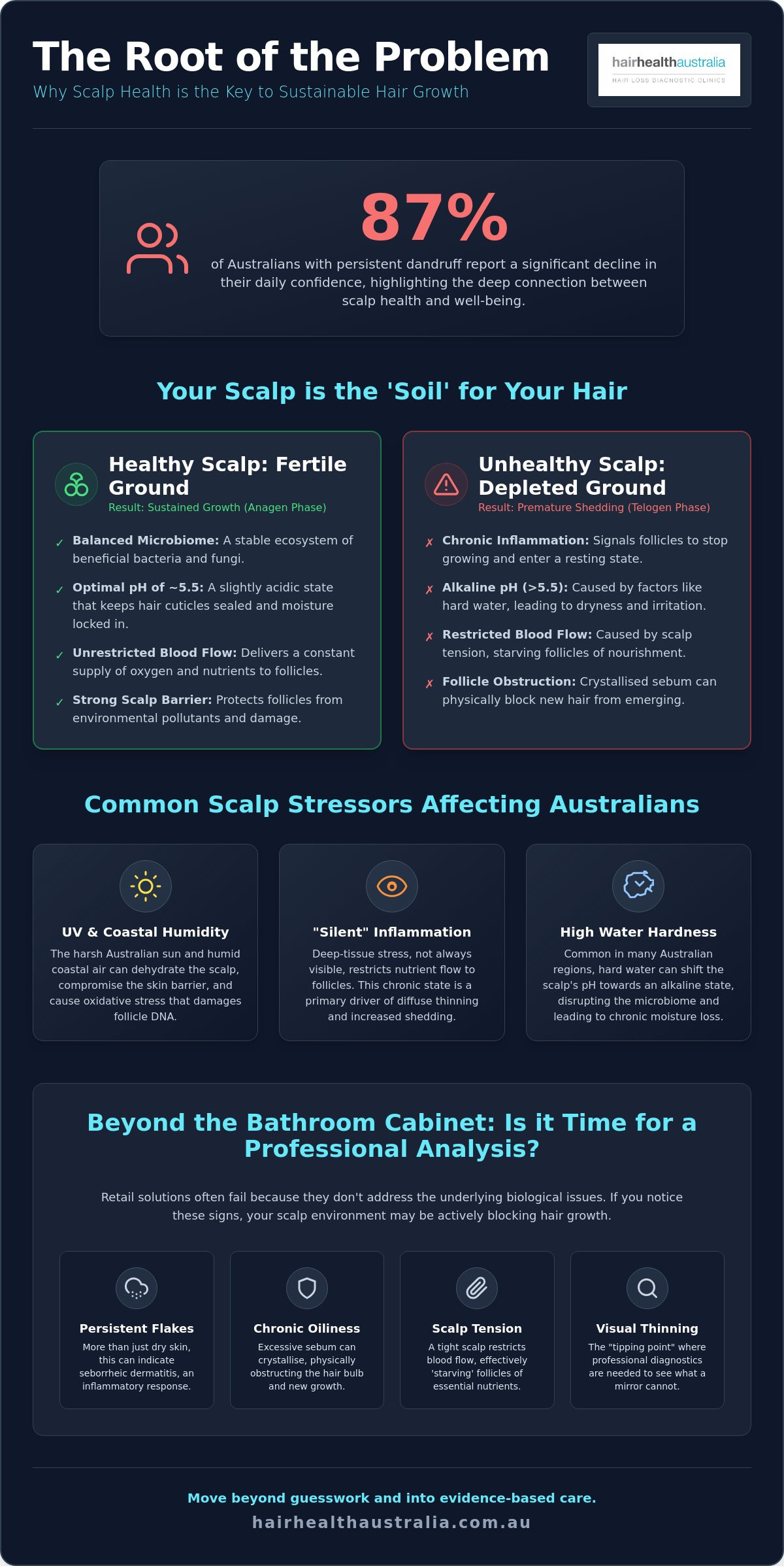
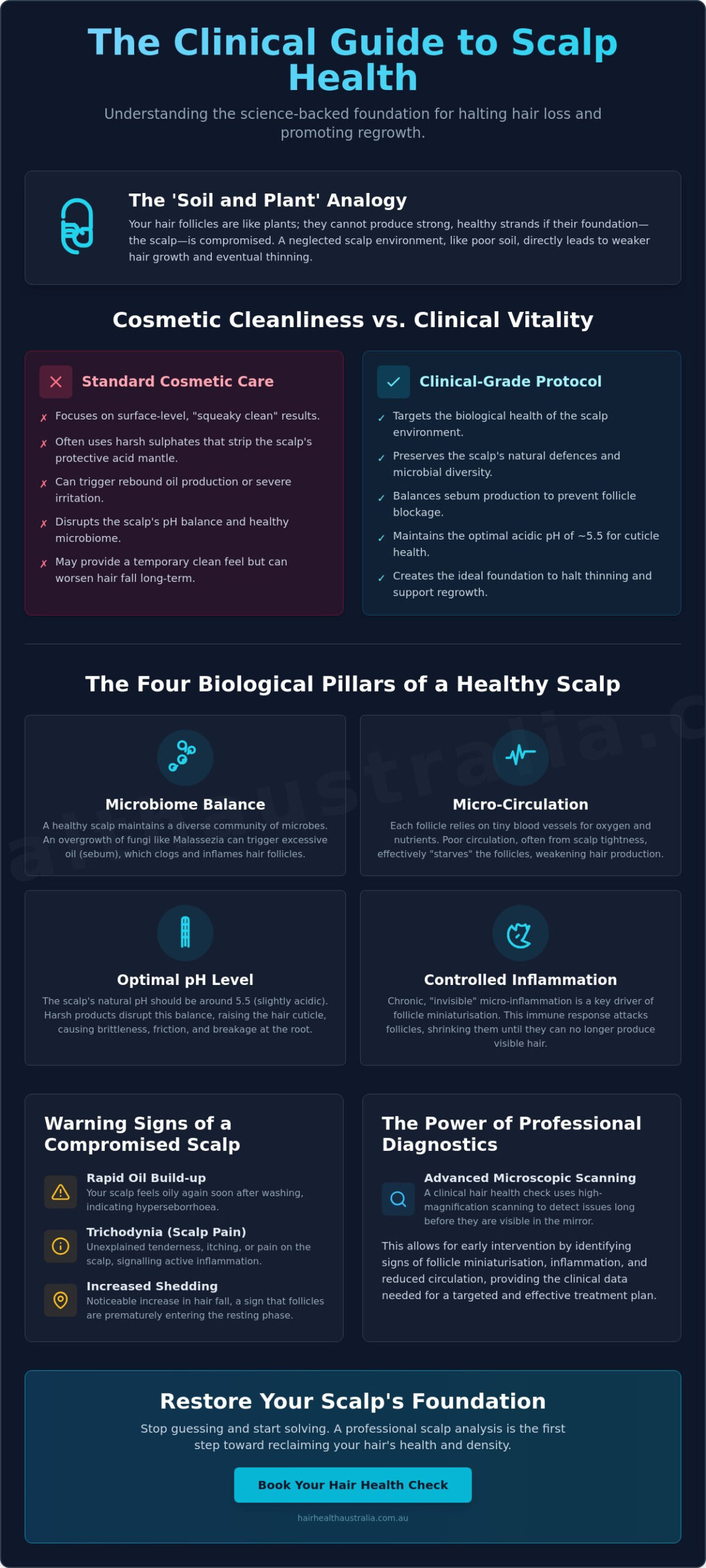
To understand hair thinning, we must first look at the scalp as the biological “soil” for your hair follicles. Healthy hair is not an isolated event; it is the direct result of a nourished, balanced, and functional scalp environment. Many women mistakenly invest in superficial hair treatments that only coat the hair shaft with silicones to provide a temporary shine. However, a clinical female scalp treatment for hair growth Australia focuses on the dermis and the follicle itself, where the actual growth occurs. Without addressing the health of the skin below the surface, even the most expensive conditioners will fail to improve hair density.

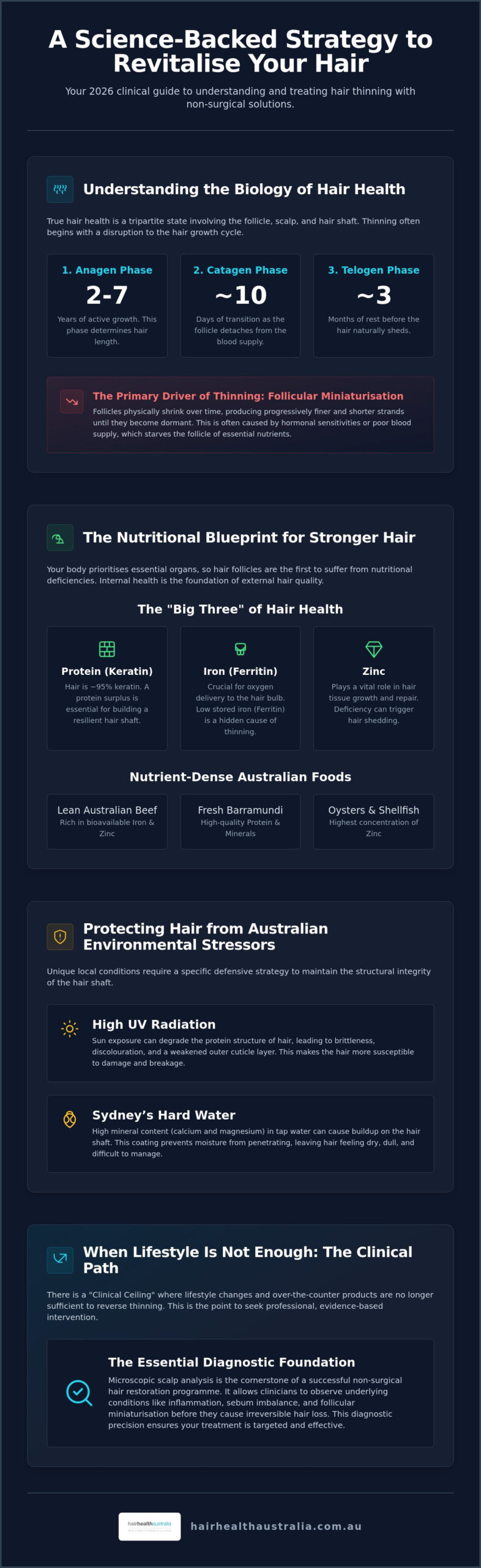
In Australia, our environmental conditions are particularly demanding. High mineral content in local water, often referred to as hard water, can lead to significant calcium and magnesium build-up on the scalp. This residue alters the natural pH balance and creates a barrier that prevents topical treatments from penetrating effectively. When combined with the sweat and oil production triggered by our humid summers, this build-up can lead to micro-inflammation, which quietly compromises the follicle’s ability to produce strong, pigmented hair strands.

The Role of the Follicle in Hair Density

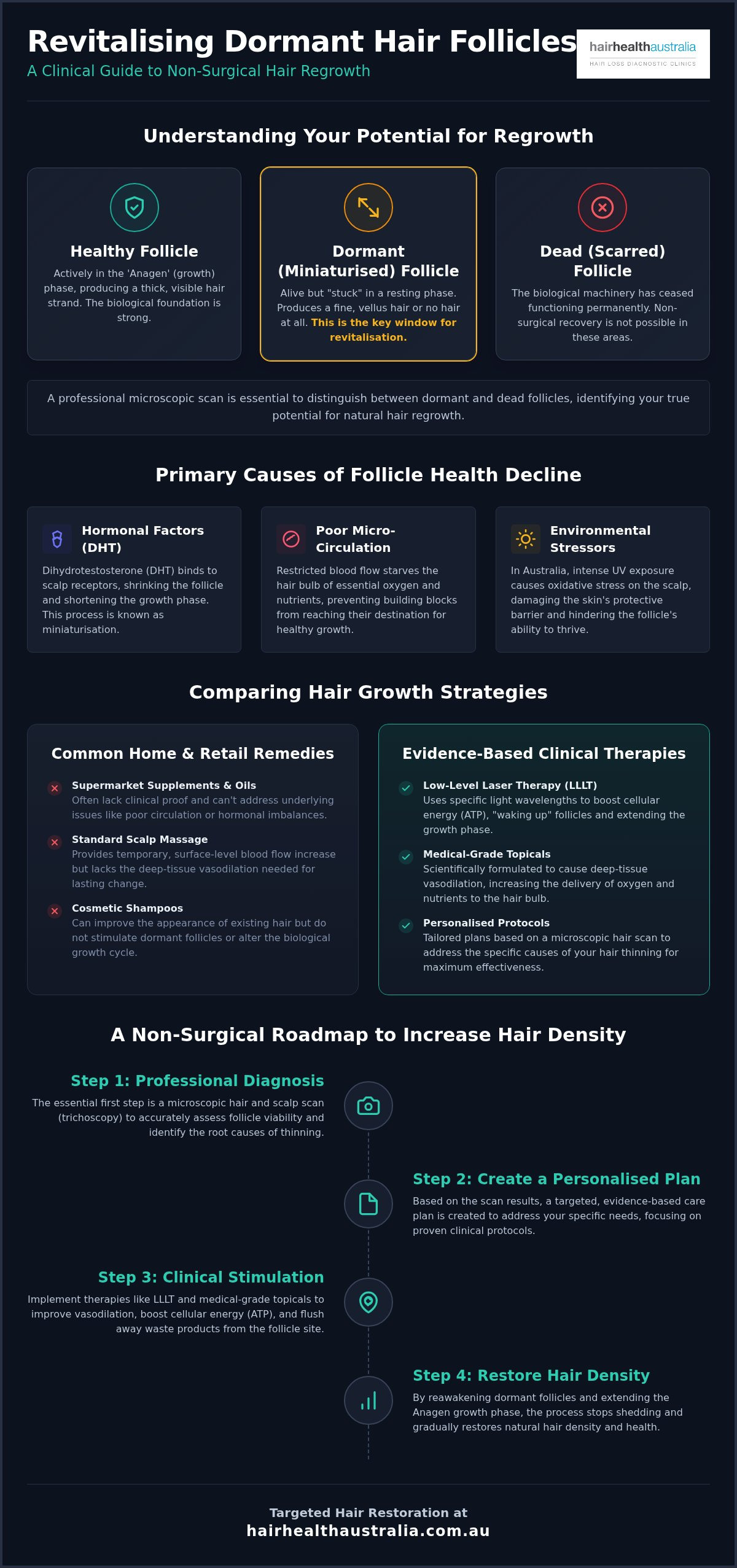
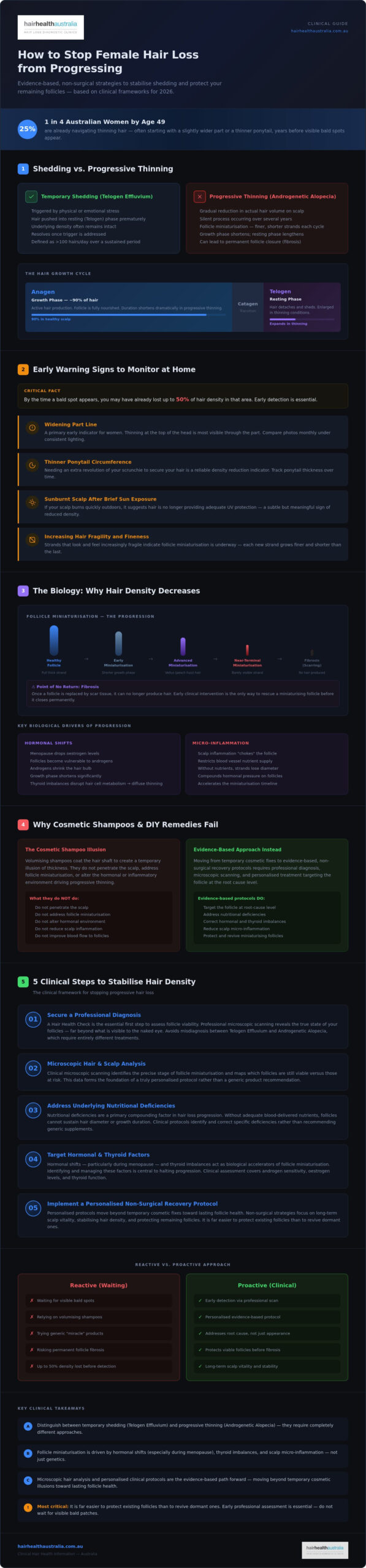
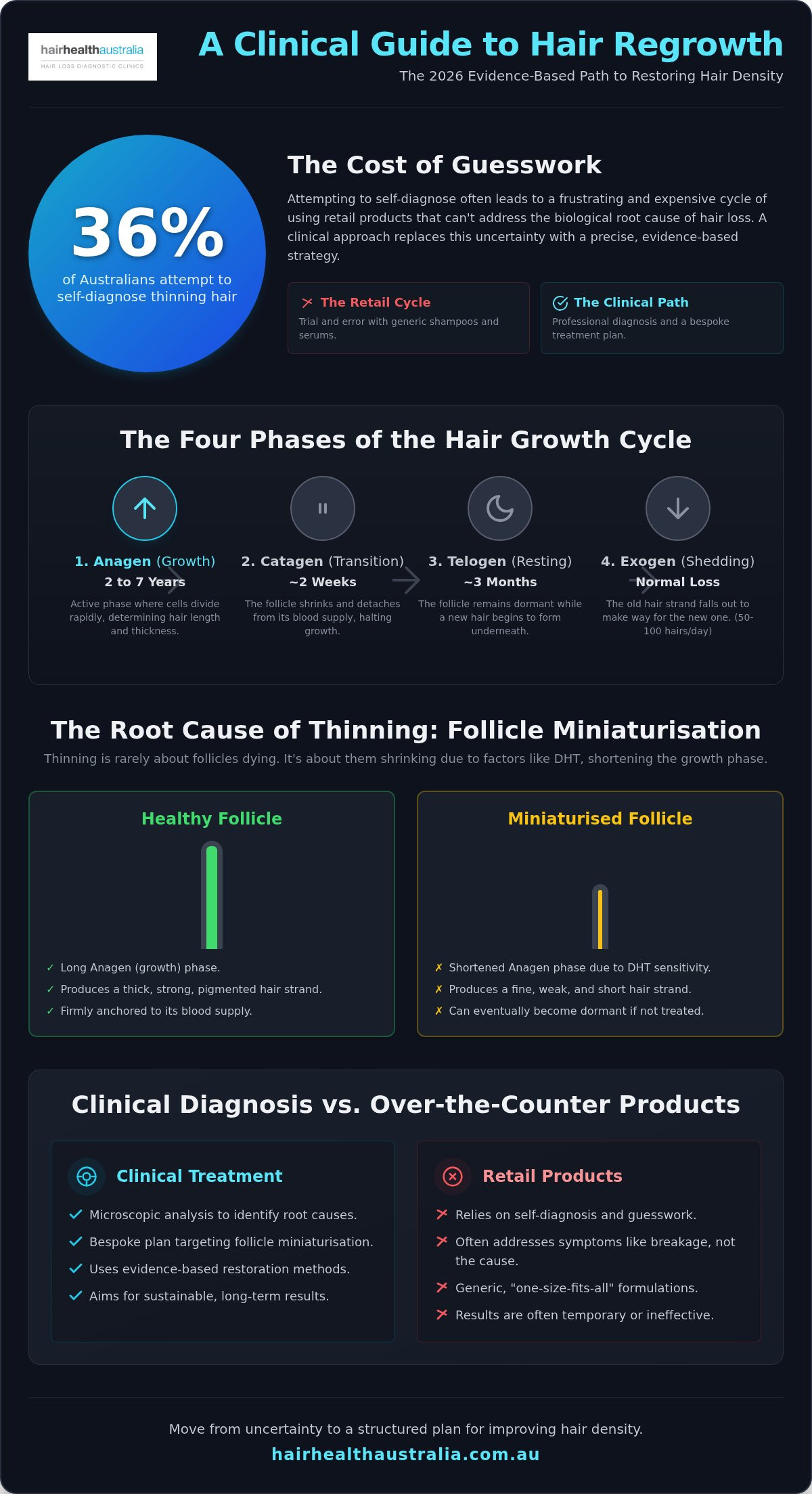
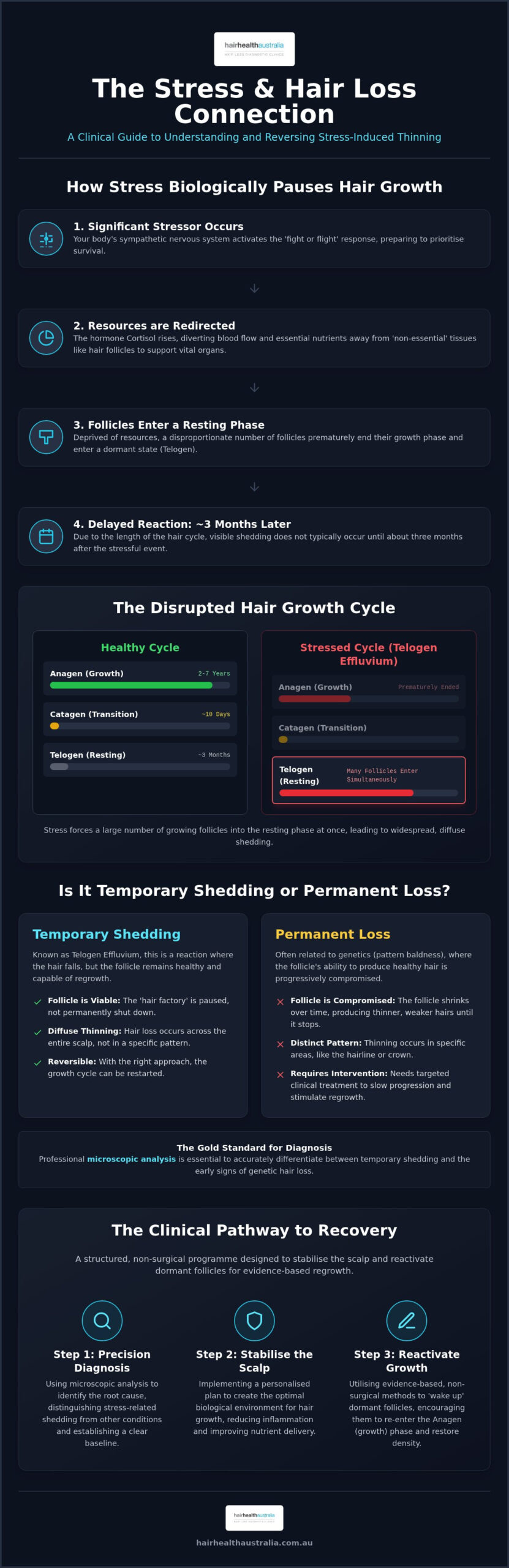
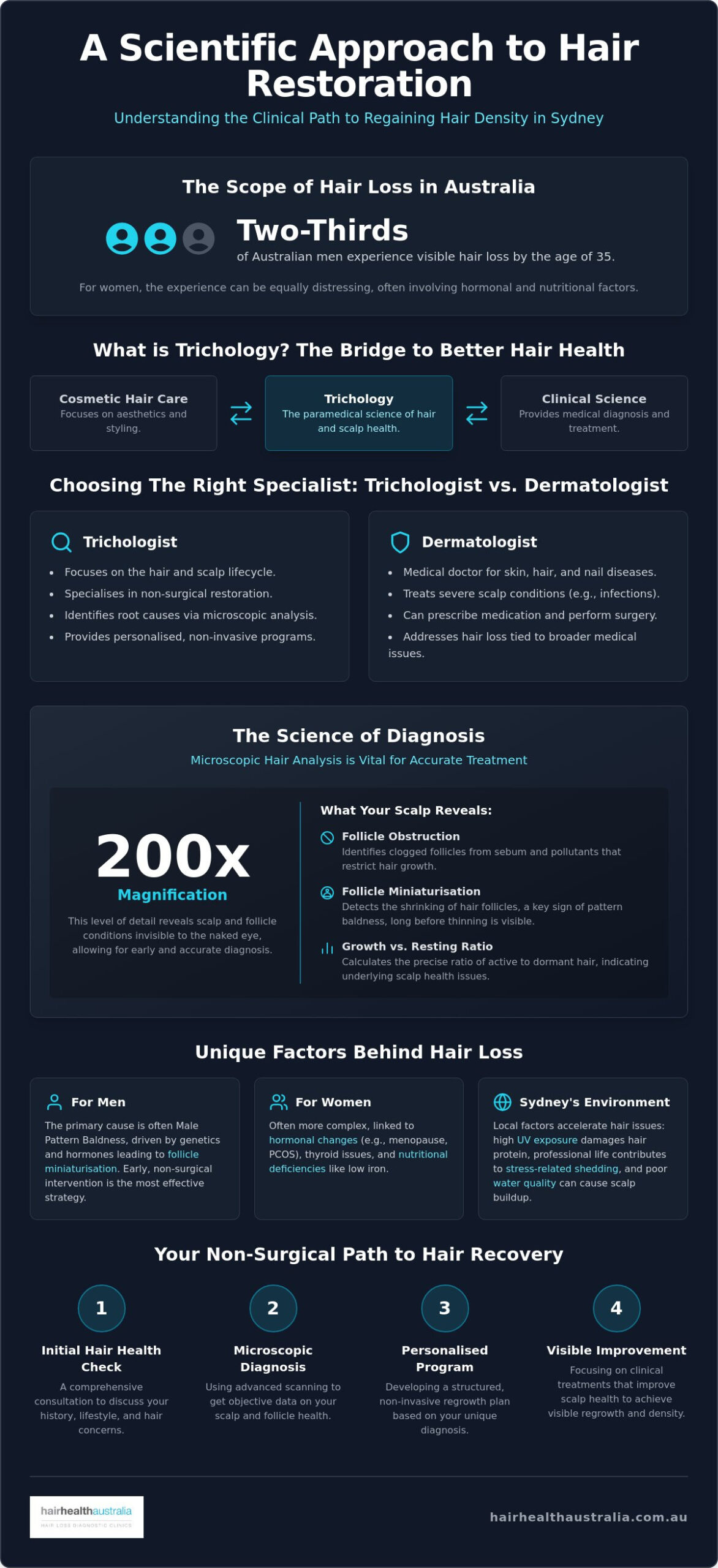
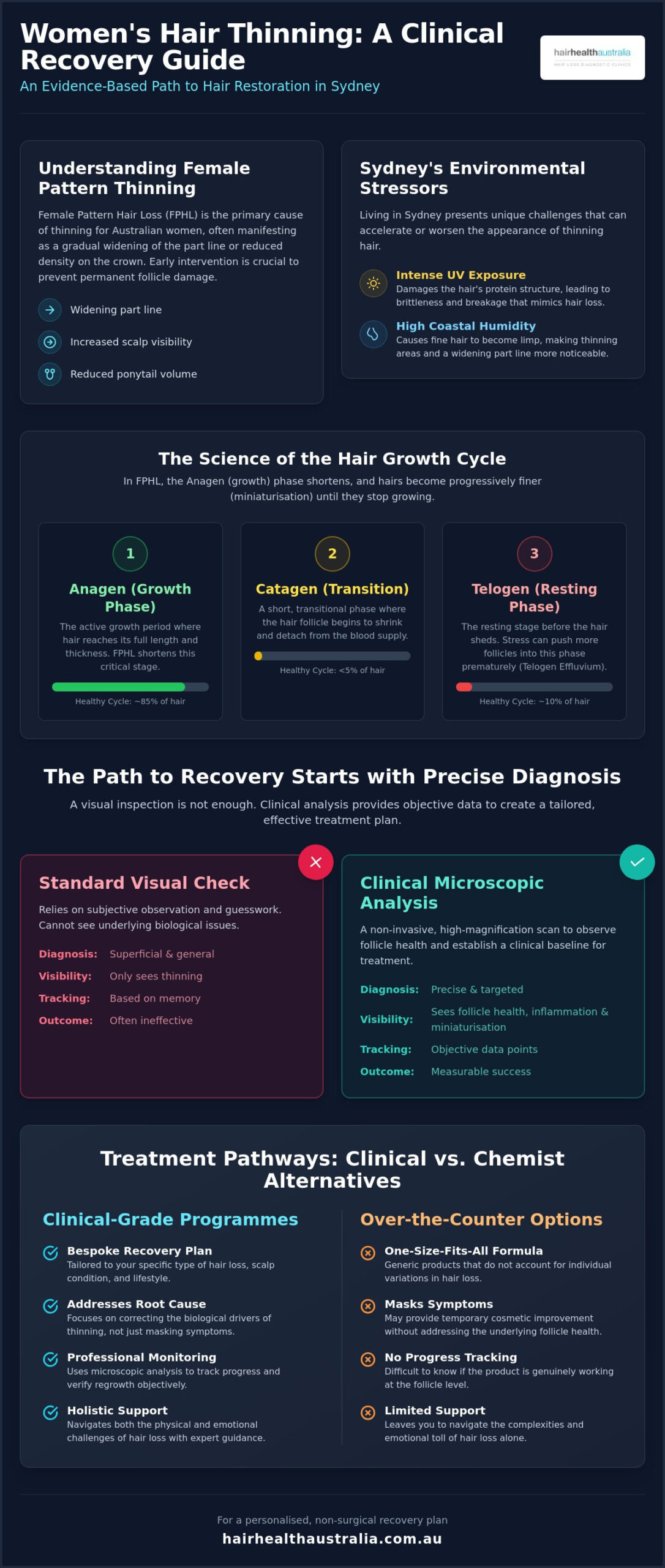
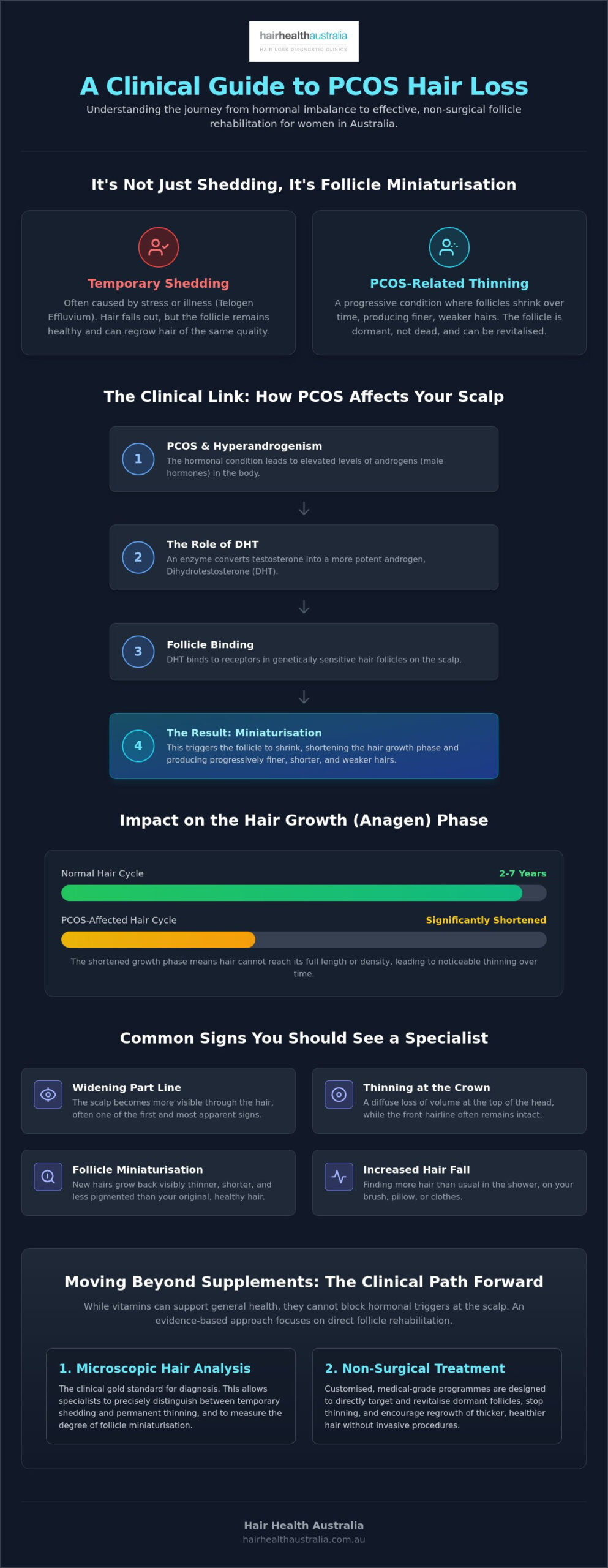
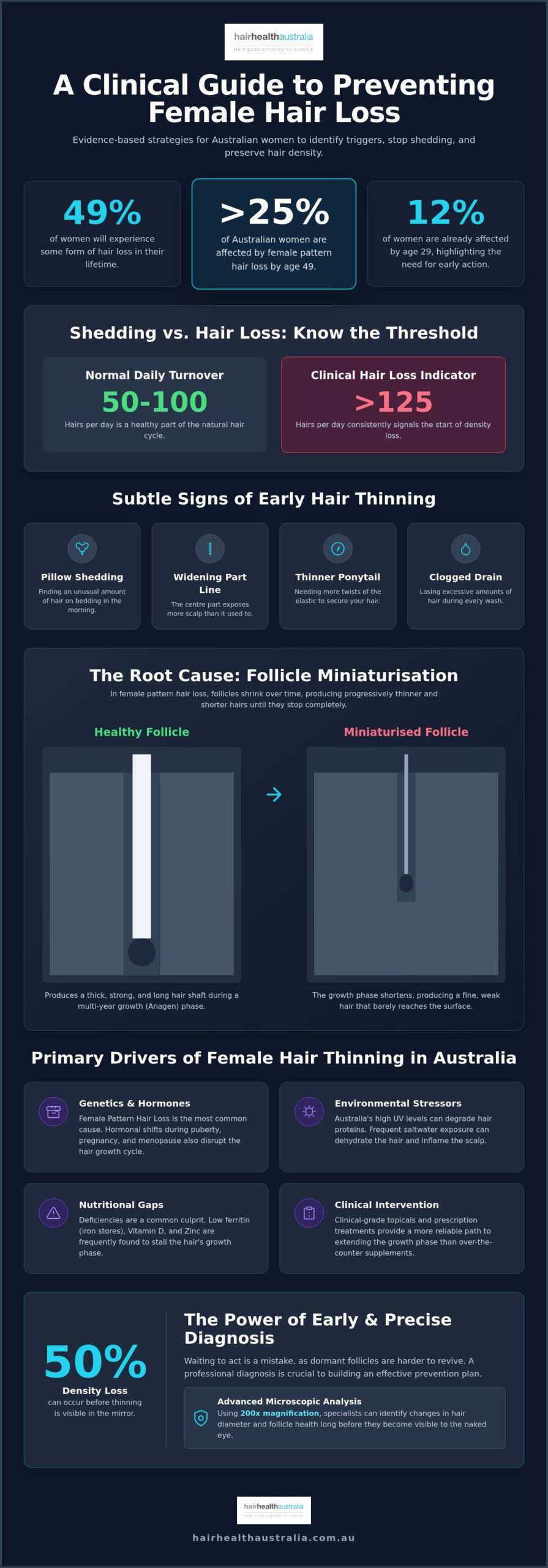
Hair growth occurs in a specific cycle consisting of the Anagen (growth), Catagen (transition), and Telogen (resting) phases. Ideally, about 85 to 90 percent of your hair should be in the Anagen phase at any given time. However, conditions like Pattern hair loss can cause these follicles to miniaturise over time. When the scalp is inflamed or congested, follicles receive biological signals to enter the resting phase prematurely. This leads to increased shedding and a noticeable loss of volume. Ensuring your follicles remain clear of debris and inflammation is a biological necessity for sustaining a healthy growth cycle.

Australian Environmental Stressors and Your Scalp

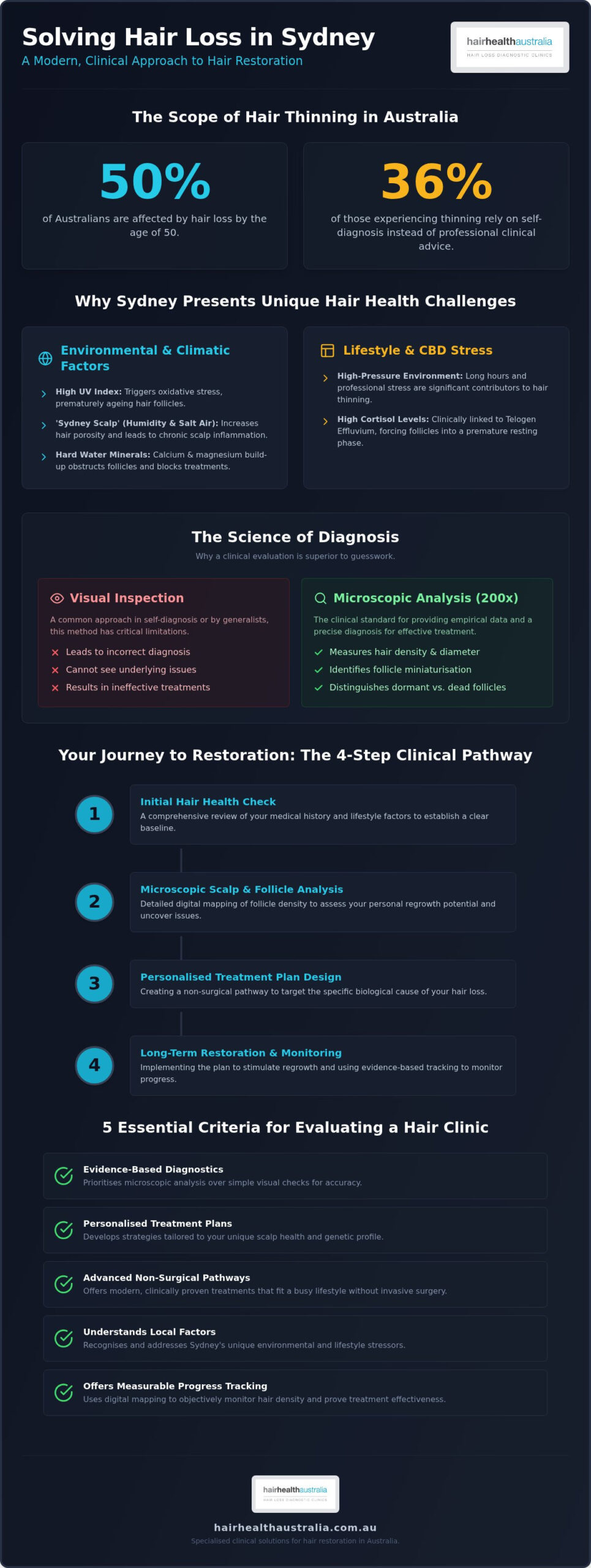
The intense UV radiation found across Australia is a primary driver of scalp skin ageing. Just as the sun causes wrinkles on the face, it causes photoageing on the scalp, which degrades the collagen and elastin surrounding the hair follicles. This structural breakdown reduces the follicle’s productivity and can eventually lead to permanent thinning. A specialised female scalp treatment for hair growth Australia must account for these local lifestyle factors. If you are noticing a widening part or a change in your hair’s texture, a professional hair health check is a vital first step to identify whether environmental damage or internal factors are the primary cause of your concerns.

Your Diagnostic Checklist: Identifying the Root Cause of Thinning

A successful female scalp treatment for hair growth Australia begins with a precise diagnosis rather than a guess. You cannot effectively treat thinning until you understand exactly why it is happening. While retail products often promise a universal fix, clinical results depend on identifying the specific biological drivers of your hair loss. This diagnostic checklist serves as the foundation for a targeted, effective plan.

  • Assessing the pattern: We look for whether the thinning is diffuse across the entire scalp or concentrated along a widening part line.
  • Reviewing lifestyle changes: Recent periods of high stress, nutritional deficiencies, or post-pregnancy hormonal shifts can trigger temporary shedding.
  • Checking scalp symptoms: Persistent redness, itching, or excessive oil production often indicate underlying inflammation that hinders growth.
  • Microscopic scanning: This allows us to see the difference between active follicles and those that have entered a dormant state.
  • Evaluating hormonal health: Understanding your family history of androgenetic alopecia and current hormonal balance is essential for long-term management.

Identifying these factors early allows for a more efficient intervention. If you are unsure where to start, booking a professional hair health check provides the clarity needed to move forward with confidence.

Diffuse Thinning vs. Pattern Baldness

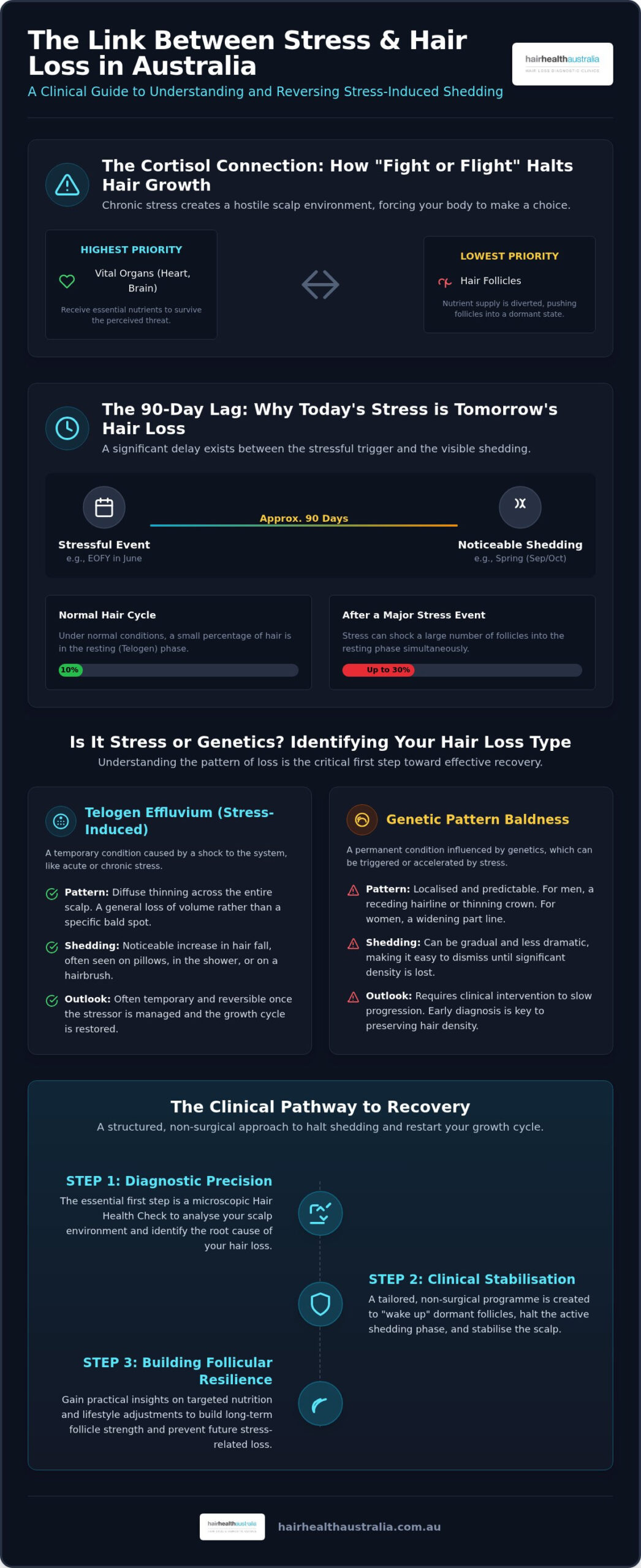
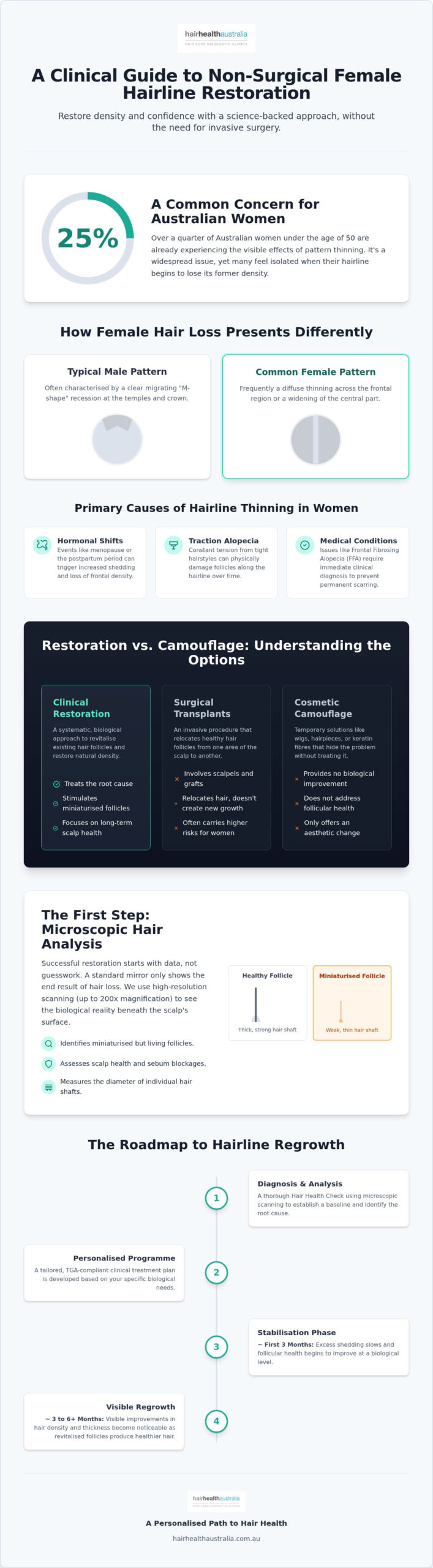
Distinguishing between temporary shedding and progressive thinning is a critical first step. Telogen Effluvium often manifests as sudden, diffuse shedding across the whole head, usually triggered by a physiological shock. In contrast, Female Pattern Hair Loss (FPHL) is a slower progression that typically presents as a widening part or visible thinning at the temples. For a detailed Female pattern hair loss overview, government resources provide a helpful baseline of the condition’s genetic nature. Because these conditions can often overlap, a clinical assessment is the only way to ensure your treatment matches your specific diagnosis.

The Necessity of Microscopic Analysis

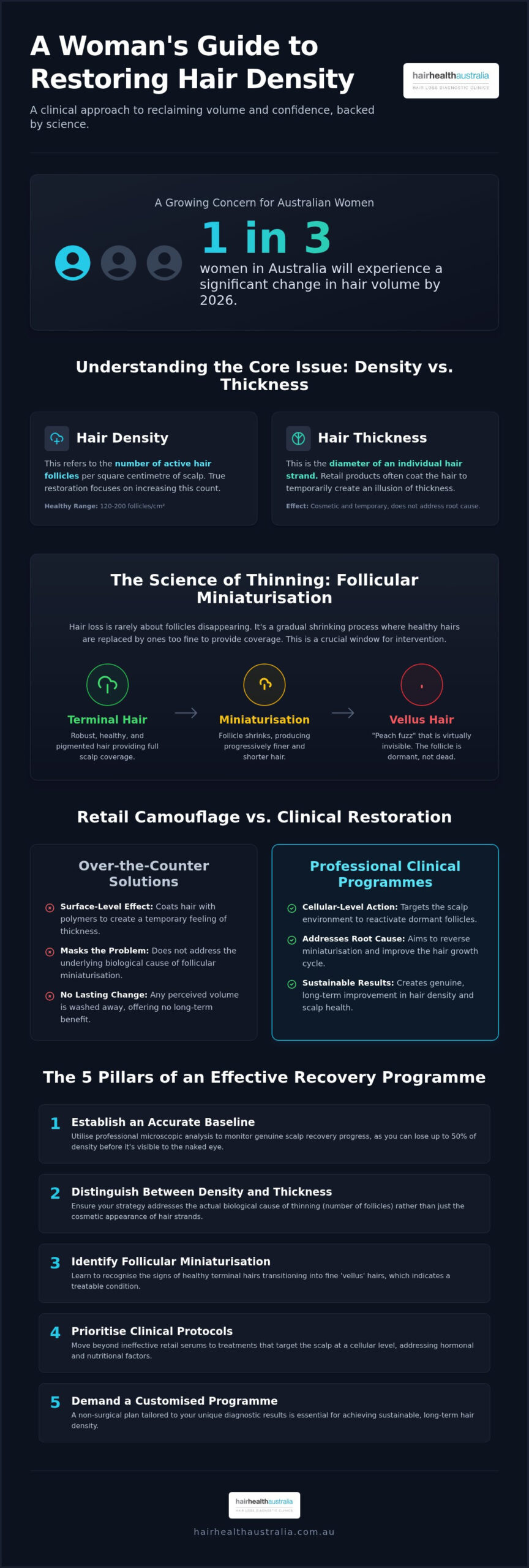
Visual inspection with the naked eye is insufficient for an accurate professional diagnosis. By the time hair loss becomes visible to you in the mirror, you may have already lost up to 50 percent of your hair density in that specific area. We utilise digital scalp scanning to identify follicle miniaturisation. This is a process where the hair shaft becomes progressively thinner, shorter, and less pigmented over several growth cycles. This data allows us to predict the potential for regrowth in specific areas and ensures your female scalp treatment for hair growth Australia is based on measurable evidence rather than generalisations.

Female Scalp Treatment for Hair Growth: The Essential Australian Checklist

Comparing Clinical Female Scalp Treatments for Hair Growth

Selecting the right female scalp treatment for hair growth Australia involves understanding the clear distinction between cosmetic products and therapeutic clinical modalities. While retail serums found in department stores may offer temporary hydration to the hair shaft, clinical treatments are designed to alter the biological function of the hair follicle itself. These evidence-based interventions aim to revitalise dormant follicles and extend the Anagen phase of the hair cycle. By focusing on the root of the issue, we move away from temporary fixes toward sustainable, visible improvements in hair density.

Low-Level Laser Therapy (LLLT) is a cornerstone of modern non-surgical restoration. This technology uses specific wavelengths of light to penetrate the scalp tissue and stimulate cellular metabolism within the hair bulb. By increasing adenosine triphosphate (ATP) production, LLLT provides the necessary energy for follicles to produce thicker, healthier hair shafts. It’s a painless, non-invasive method that supports long-term density without the systemic side effects sometimes associated with oral medications. Results are cumulative, meaning consistency is the primary driver of success.

The efficacy of topical applications also varies significantly between over-the-counter options and professional formulations. Clinical-grade topicals often contain specific concentrations of active ingredients, such as the TGA-approved 2% Minoxidil for women, or proprietary delivery systems that ensure the medication reaches the follicle rather than sitting on the skin’s surface. For a deeper look at the medical standards, the RACGP provides an overview of Clinical treatment options for FPHL used by Australian practitioners to manage progressive thinning.

Growth factor therapies, such as Platelet-Rich Plasma (PRP), utilise the body’s own regenerative cells to trigger follicle activity. When combined with targeted nutraceuticals, these treatments address both the external environment and internal nutritional requirements. Supplements aren’t a “fix-all” but serve as a vital support system when diagnostic tests indicate specific deficiencies that hinder the effectiveness of a female scalp treatment for hair growth Australia.

Non-Surgical vs. Surgical Approaches

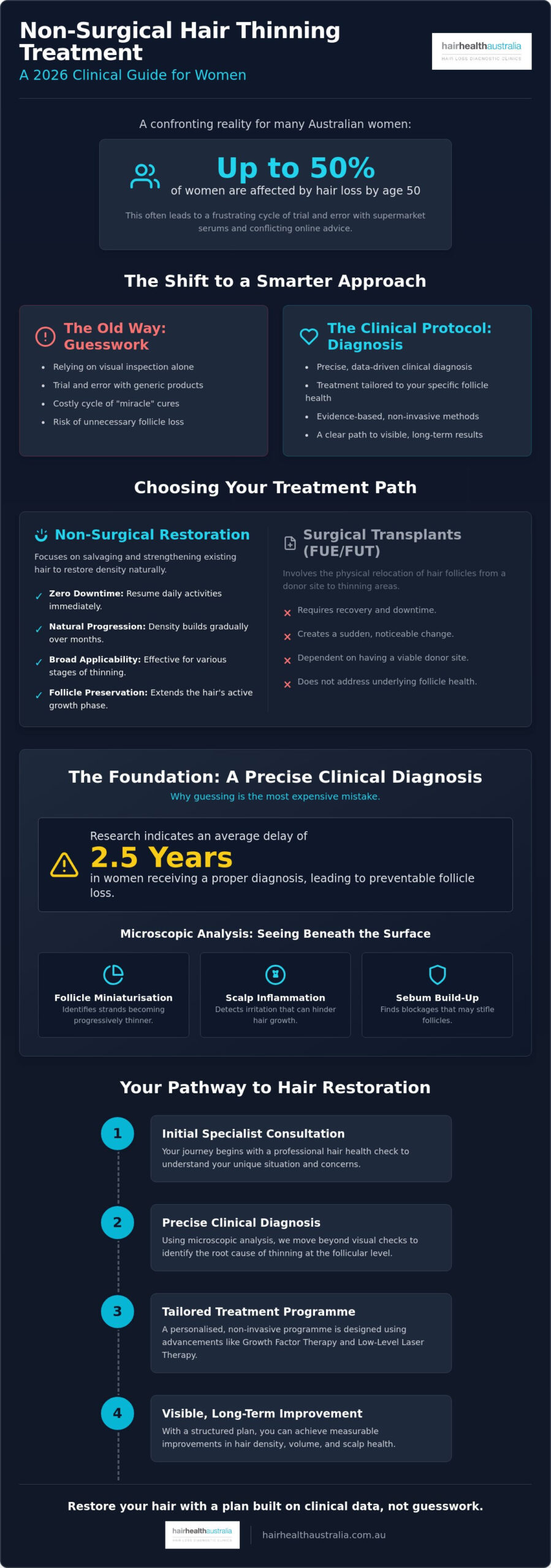
For many women, the thought of a hair transplant is daunting due to the invasive nature of the procedure and the potential for visible scarring. Non-surgical clinical programs are often the preferred first step because they require no downtime and carry minimal risk. These programs focus on preserving existing hair and stimulating regrowth in thinning areas through systematic care. Setting realistic expectations is vital; non-surgical methods aim for a natural, gradual improvement in density that respects the body’s biological timelines.

Customised Treatment Protocols

A “one-size-fits-all” strategy rarely succeeds because the drivers of hair loss are unique to every individual. The most successful outcomes typically result from a multi-modal approach. For instance, combining LLLT with clinical topicals creates a synergistic effect that addresses both cellular energy and hormonal triggers simultaneously. You can read more about clinical hair treatment strategies to understand how a professional guide to non-surgical restoration can be tailored to your specific scalp health needs.

The Scalp Health Maintenance Checklist: Supporting Regrowth at Home

Clinical interventions provide the biological foundation for restoration, but your daily habits determine how well those results are maintained. Think of your home care routine as the essential “aftercare” that protects your investment in a female scalp treatment for hair growth Australia. Without a structured maintenance plan, environmental stressors and poor scalp hygiene can quickly undermine the progress made during in-clinic sessions. Use this checklist to ensure your scalp remains a healthy environment for follicle productivity.

  • Check 1: Use pH-balanced, sulphate-free cleansers. Harsh detergents strip the scalp’s natural acid mantle, leading to irritation and a compromised skin barrier.
  • Check 2: Practice regular scalp massage. Gentle mechanical stimulation for four minutes a day can help encourage blood flow to the follicles, delivering vital nutrients.
  • Check 3: Shield against UV damage. Use specialised scalp SPF or wear a hat when outdoors. As we established earlier, the Australian sun is a primary driver of scalp skin ageing.
  • Check 4: Monitor your intake of iron, zinc, and biotin. These micronutrients are the building blocks of the hair shaft; even a minor deficiency can stall the growth cycle.
  • Check 5: Avoid high-tension hairstyles. Constant pulling from tight ponytails or extensions can cause traction alopecia, which may lead to permanent follicle scarring if left unaddressed.

Consistency is the most important factor in any regrowth journey. If you are ready to move beyond guesswork and start a professional program, you can book your comprehensive hair health check to receive a personalised maintenance plan tailored to your scalp’s specific needs.

Optimising Your Hair Wash Routine

Many women with thinning hair fear washing too often, worried they will see more shedding in the drain. However, infrequent washing allows sebum, sweat, and environmental pollutants to accumulate, which can clog follicles and cause inflammation. For most, washing two to three times a week with a professional-grade cleanser is ideal. Focus your efforts on the skin rather than the hair strands. When applying any prescribed topical female scalp treatment for hair growth Australia, ensure the scalp is clean to allow for maximum absorption into the dermis.

Diet and Lifestyle for Follicle Support

Your follicles are some of the most metabolically active cells in your body, meaning they are often the first to suffer when your diet is lacking. Prioritise high-quality proteins and Omega-3 fatty acids to support the structural integrity of the hair. Additionally, managing biological stress is crucial. High cortisol levels can prematurely push follicles into the Telogen (resting) phase, leading to sudden bouts of shedding. By combining a nutrient-dense diet with a stable clinical routine, you create the internal and external conditions necessary for visible, long-term hair density improvement.

Moving from the research phase to an active clinical program is a significant step toward reclaiming your hair density. When you begin searching for a female scalp treatment for hair growth Australia, it is vital to distinguish between retail-led environments and professional clinics rooted in medical authority. A reputable clinic prioritises a “straight-talking” approach, providing you with a realistic assessment of your scalp’s current condition rather than promising overnight miracles. Transparency is the foundation of trust in this process.
A professional consultation should never feel rushed. It is a methodical discovery phase where a specialist evaluates the biological factors we’ve discussed, such as follicle miniaturisation and scalp inflammation. You should expect a deep dive into your hair loss history and a microscopic analysis that goes far beyond a simple visual check. This level of detail is necessary to determine if your follicles are still capable of producing healthy hair shafts or if they’ve progressed to a dormant state where different interventions may be required.

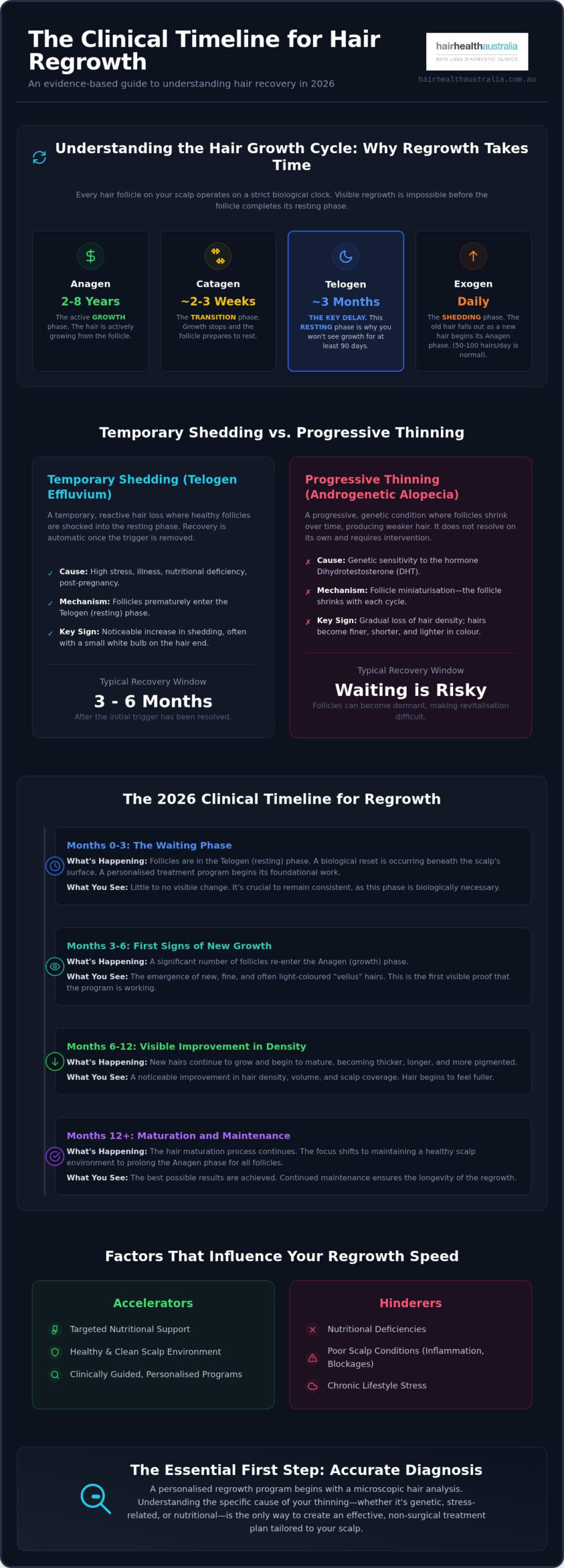
Managing your expectations regarding the timeline for results is equally important. Unlike cosmetic extensions, a clinical female scalp treatment for hair growth Australia works with your body’s natural growth cycles. Because the Anagen phase takes time to establish, most women won’t see visible improvements in density for at least four to six months. This period allows the follicles to transition from the resting phase back into a productive growth state. Patience and adherence to the prescribed protocol are the primary drivers of success.

Your First Appointment: The Discovery Phase

During your initial visit, your specialist will review your medical history, lifestyle factors, and the specific timeline of your hair thinning. This is the moment to be thorough about any recent changes in health or medication. A central part of this process is the Hair Health Check, which acts as your clinical roadmap. It allows us to establish a baseline through digital imaging, ensuring we can track your progress with objective data. Don’t hesitate to ask direct questions about success rates and what’s required to maintain your results once the initial intensive phase is complete.

Commitment to Long-Term Hair Density

It’s important to view hair health as an ongoing journey rather than a one-time fix. Just as you maintain your physical fitness through regular exercise, your scalp requires consistent support to remain productive. Regular clinical follow-ups and progress scans ensure your treatment remains optimised as your scalp environment changes over time. Taking the first step towards a sustainable plan is simple. You can easily organise your consultation in Sydney to begin your journey with a team dedicated to evidence-based, non-surgical restoration.

Taking the Next Step Toward Lasting Hair Density

Restoring your hair density is a journey that requires moving beyond temporary cosmetic fixes and embracing a clinical, evidence-based approach. We’ve established that a healthy scalp is the essential foundation for growth, and that success relies on a precise diagnosis through specialised microscopic scalp scanning technology. By identifying the root cause of thinning and following a structured maintenance plan, you can shift from a place of uncertainty to one of clear, measurable progress. Choosing the right female scalp treatment for hair growth Australia ensures your care is tailored to the unique environmental factors we face every day.

With over 15 years of experience in Australian hair restoration, our team is dedicated to providing transparent, clinically-backed non-surgical regrowth programs that respect your biological timelines. You don’t have to navigate the confusion of hair thinning alone. Our specialists are here to act as your guides, offering the expertise and modern technology needed to support your follicles effectively. Book your comprehensive Hair Health Check in Sydney today to begin your transition toward a healthier scalp and renewed confidence. We look forward to helping you achieve the visible results you deserve.

Frequently Asked Questions

What is the best scalp treatment for female hair growth in Australia?

The most effective female scalp treatment for hair growth Australia is one tailored to your specific diagnosis, often combining Low-Level Laser Therapy (LLLT) with clinical-grade topical formulations. Rather than relying on a single product, a multi-modal approach addresses both the cellular energy of the follicle and the hormonal drivers of thinning. This ensures that the scalp environment is optimised for producing thicker, healthier hair shafts over several growth cycles.

Can a scalp treatment really regrow hair for women?

Clinical scalp treatments can certainly regrow hair if the follicles are miniaturised but still active. By stimulating cellular metabolism and increasing blood flow to the hair bulb, these treatments encourage follicles to transition from a dormant state back into the Anagen growth phase. If a follicle has completely scarred over, regrowth is no longer possible; this is why early intervention is critical for achieving visible results.

How much do clinical hair loss treatments for ladies cost in Sydney?

The cost of hair loss treatments in Sydney depends entirely on the complexity of your personalised protocol and the duration of your clinical program. Because every woman’s scalp health and thinning pattern are unique, a fixed price is rarely applicable without a professional assessment. Your initial consultation will outline the necessary clinical steps and provide a clear understanding of the investment required for your specific restoration goals.

How long does it take to see results from a female scalp treatment?

You should expect to see visible results from a female scalp treatment for hair growth Australia within four to six months of consistent application. This timeline aligns with the natural biological rhythm of the hair growth cycle. While some women notice a reduction in shedding much sooner, the physical emergence of new, thicker hair strands takes time to become apparent to the naked eye.

Is female pattern hair loss reversible with non-surgical treatments?

Non-surgical treatments are highly effective at improving hair density and slowing the progression of female pattern hair loss, though the condition requires ongoing management. While “reversible” suggests a one-time cure, clinical programs focus on revitalising miniaturised follicles and maintaining those results over the long term. This approach allows women to reclaim significant volume without the need for invasive surgical procedures.

What is the difference between a hair salon treatment and a clinical scalp treatment?

A clinical scalp treatment focuses on the health of the dermis and the function of the hair follicle, whereas a hair salon treatment is primarily cosmetic. Salons use conditioners and silicones to improve the appearance of the hair shaft itself. In contrast, a clinical approach uses therapeutic modalities to treat the underlying biological causes of thinning, ensuring that new hair grows through healthier and stronger.

Does the Australian sun make female hair loss worse?

The intense UV radiation in Australia can exacerbate hair loss by causing photoageing on the scalp skin. Chronic sun exposure degrades the collagen and elastin fibres that provide structural support to the hair follicles. This environmental stress weakens the follicle’s productivity over time, making it essential to protect your scalp with specialised SPF or headwear during the peak summer months to maintain hair density.

Can stress cause permanent scalp hair loss in women?

Stress typically triggers a temporary condition known as Telogen Effluvium, where a large number of follicles enter the resting phase simultaneously. While this type of shedding is usually reversible once the stressor is managed, prolonged or chronic stress can accelerate the progression of underlying genetic thinning. Maintaining a stable clinical routine helps protect your follicles from the physiological impacts of high cortisol levels during difficult periods.

Clinical Approaches to Restoring Hair Health

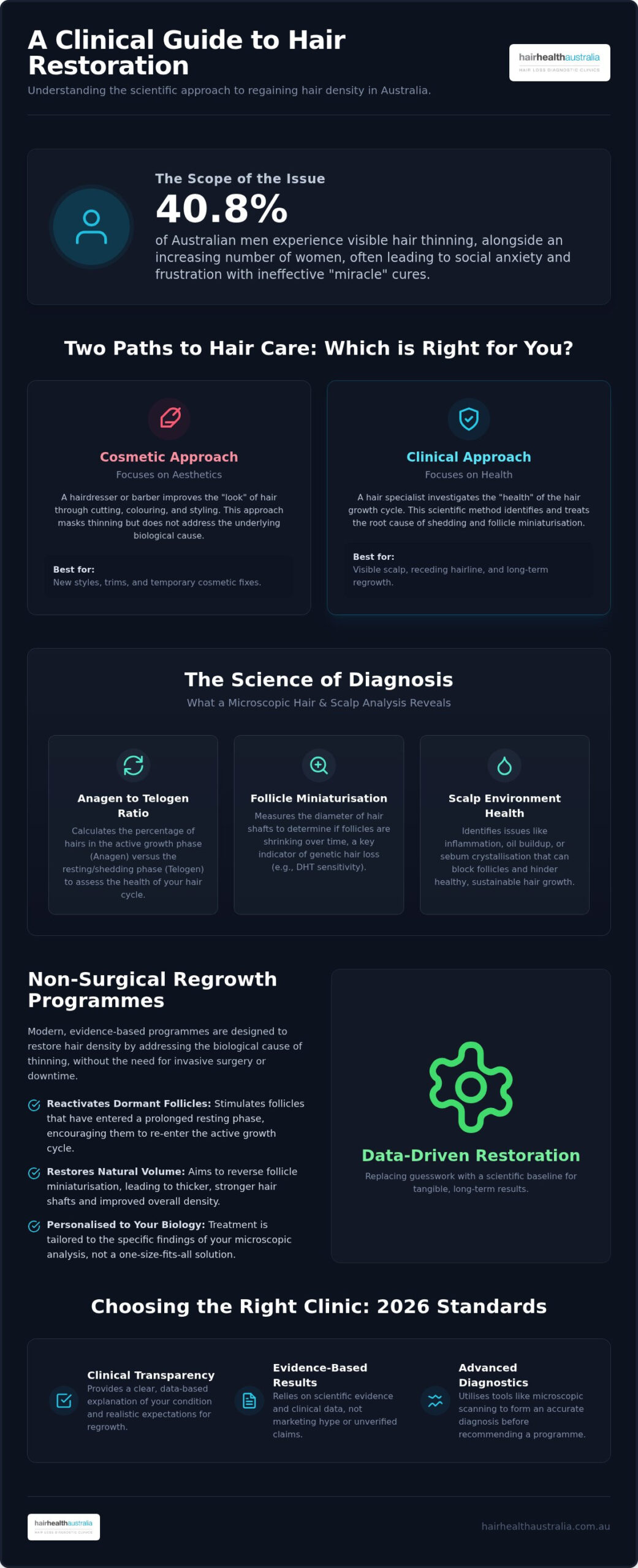
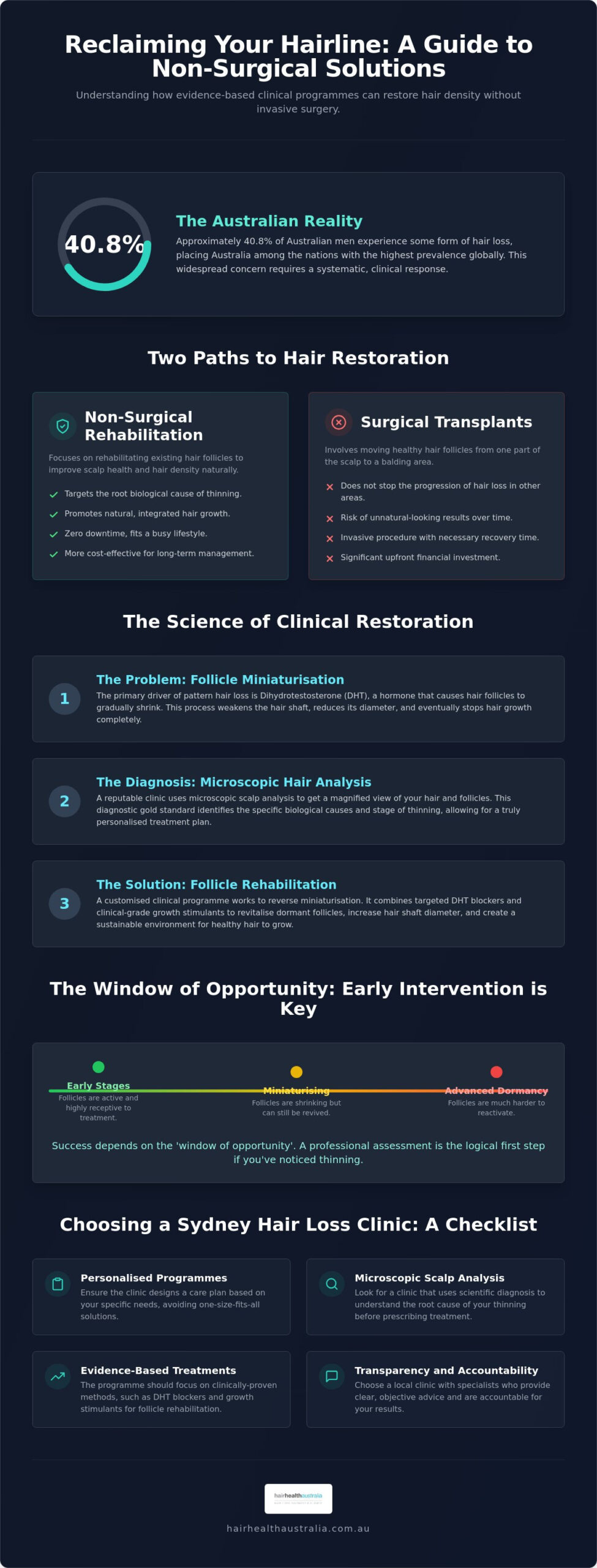
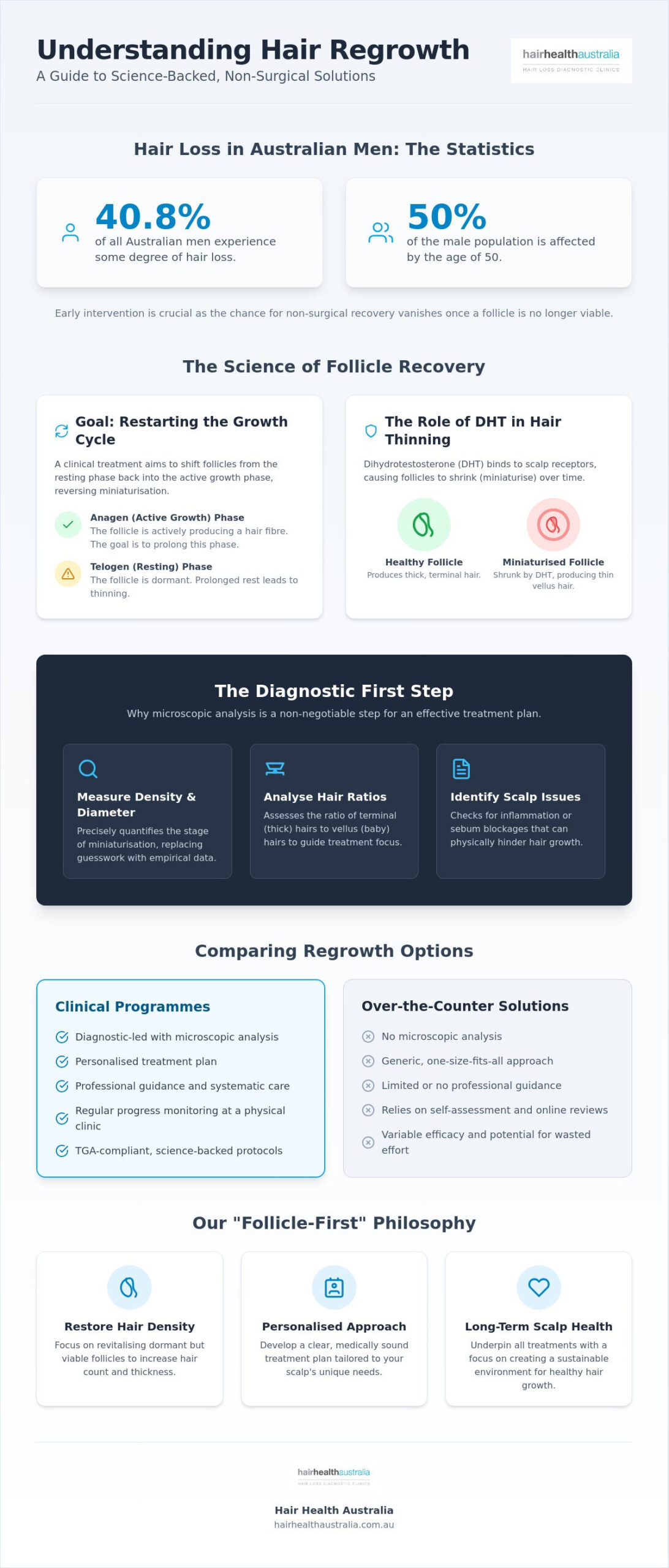
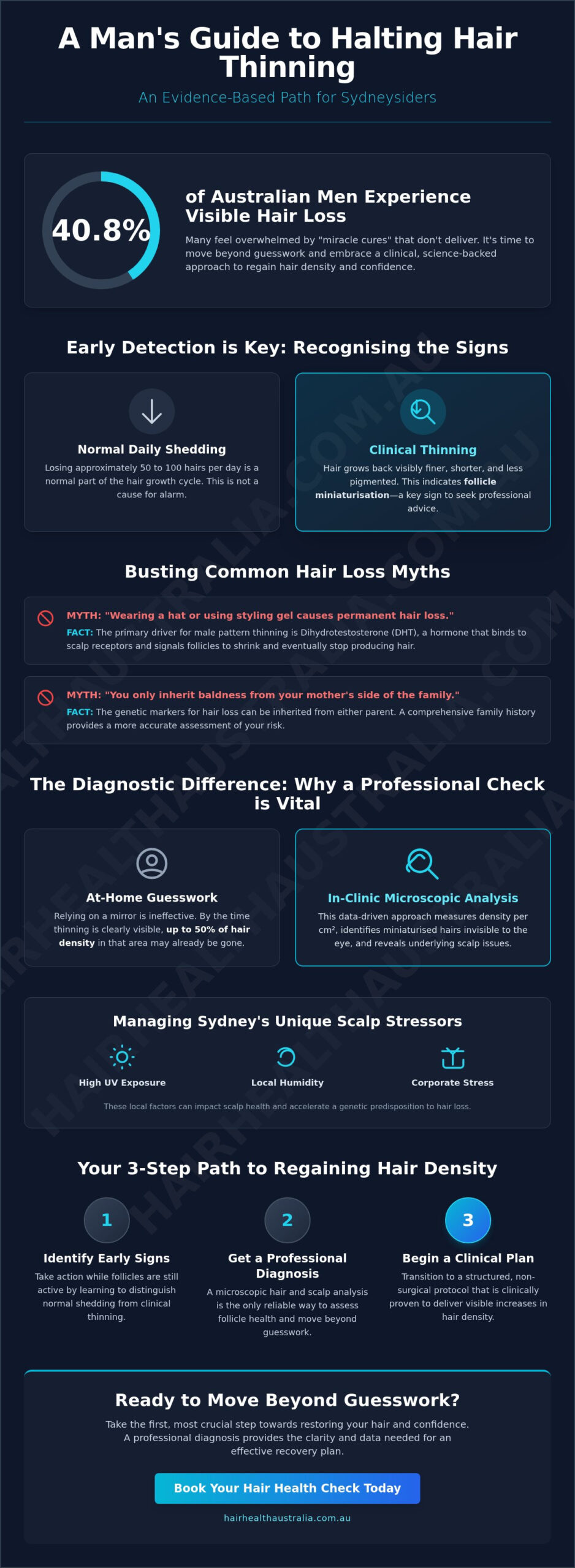
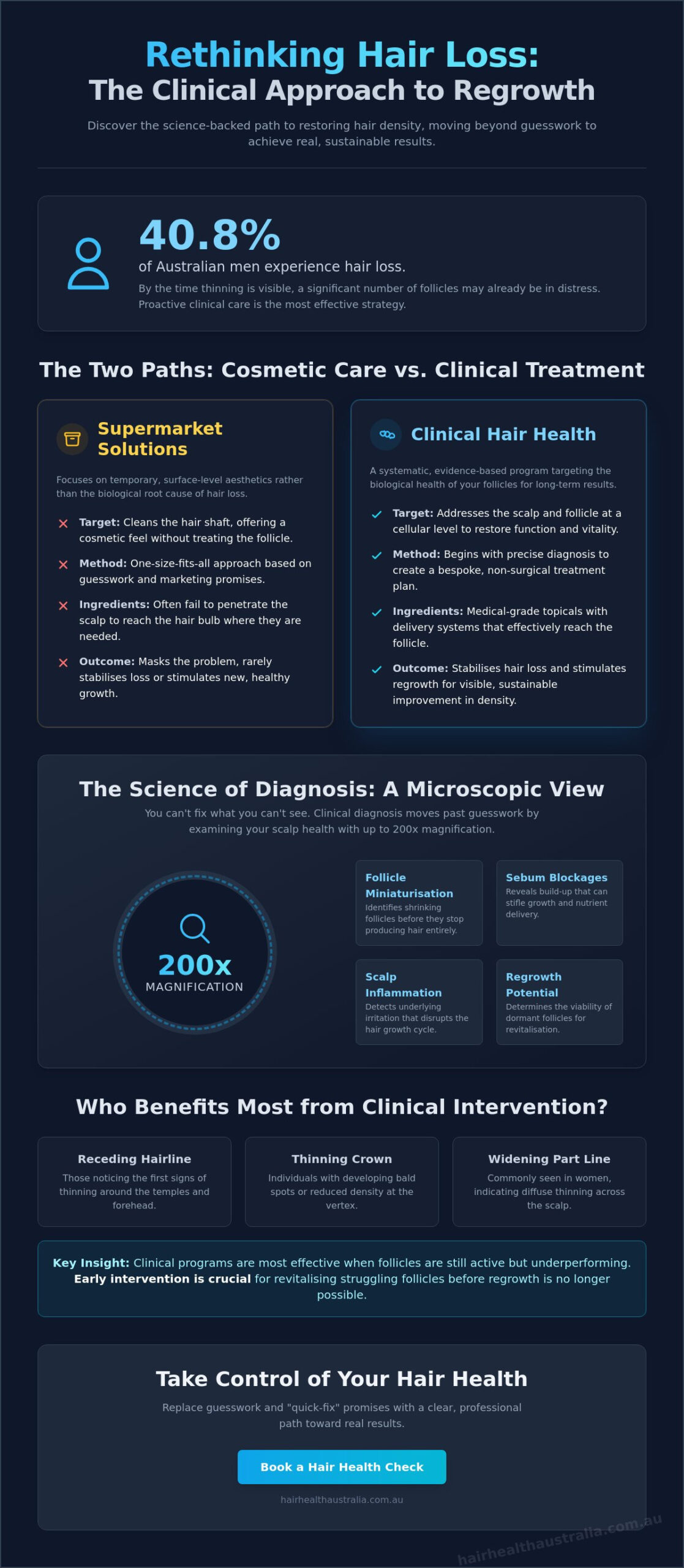
Did you know that approximately 40.8% of men in Australia experience hair loss? When you notice your hair thinning, it’s easy to feel as though your confidence is slipping away along with it. You might find yourself overwhelmed by conflicting online advice or worried that it’s simply too late to save your follicles. We understand that this uncertainty is taxing, especially when you’re looking for a professional hair health treatment that actually delivers on its promises without the need for invasive surgery.

The good news is that restoring density doesn’t always require a trip to the operating theatre. This article explores the science-backed clinical methods designed to stabilise and revitalise your scalp health. You’ll discover how microscopic diagnostic scans provide the clarity you need to move forward with a personalised plan. We’ll also outline sustainable, non-invasive maintenance routines that help you achieve visible improvements in hair density. By focusing on evidence-based care, you can replace guesswork with a clear, professional path toward results.

Key Takeaways

  • Learn the critical distinction between standard cosmetic care and a medical-grade hair health treatment that targets the biological health of your follicles.
  • Discover why microscopic analysis is the only way to accurately diagnose the root cause of thinning and establish a scientific baseline for recovery.
  • Compare the long-term benefits and cost-effectiveness of non-surgical clinical programmes against invasive surgical procedures.
  • Understand how to implement a bespoke maintenance routine using evidence-based therapies to sustain visible improvements in hair density.
  • Gain clarity on why realistic expectations and professional data are more effective than the “quick-fix” promises often found online.

What is Clinical Hair Health Treatment?

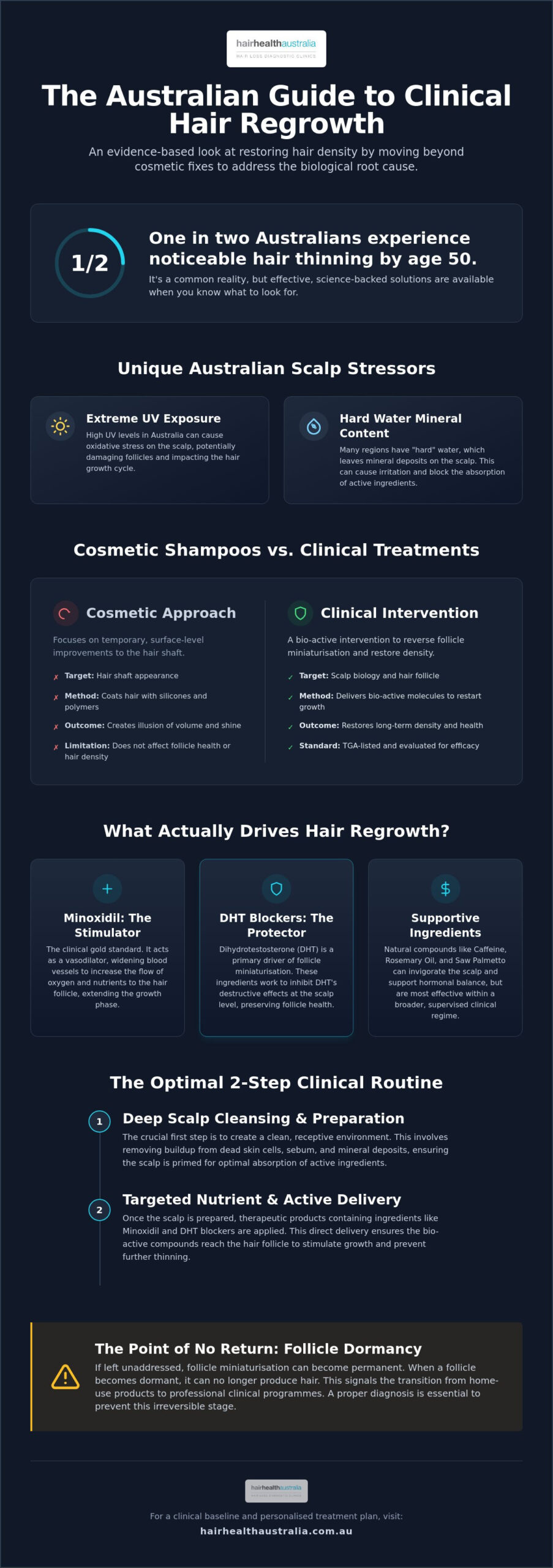
A clinical hair health treatment is a systematic, evidence-based approach to restoring follicle function and scalp vitality. Unlike standard cosmetic products that focus on the hair’s surface, a clinical programme targets the biological structures beneath the skin. It involves a combination of diagnostic data, medical-grade topicals, and therapeutic interventions designed to stabilise loss and stimulate new growth. This multi-faceted methodology ensures that we aren’t just masking a problem but addressing the underlying causes of thinning at a cellular level.

The most common mistake many Sydney-siders make is adopting a “wait and see” attitude. They often hope that a change in diet or a new supermarket shampoo will reverse the trend. However, by the time thinning becomes visible to the naked eye, a significant percentage of follicles may have already entered a state of miniaturisation. Transitioning from reactive “hair care” to proactive clinical health is the most sustainable way to protect your density over the long term. It is about moving away from temporary fixes and toward a permanent, non-surgical solution.

Moving Beyond Supermarket Solutions

Retail shampoos and vitamins are often marketed with broad promises, yet they frequently fail because they don’t penetrate the scalp effectively. Most over-the-counter options are designed to clean the hair shaft or provide basic nourishment, which rarely addresses the hormonal or genetic drivers of loss. Clinical-grade ingredients are different. They are formulated with specific delivery systems that allow active compounds to reach the hair bulb where they are needed most. To determine which ingredients will work for your specific profile, a professional Hair Health Check is essential. This assessment moves past guesswork, establishing a baseline of your current scalp health and follicle activity through high-resolution data.

Who Benefits Most from Clinical Intervention?

Clinical programmes are most effective when follicles are still active but underperforming. This is particularly relevant for those experiencing Pattern hair loss, which is the most common cause of thinning in both men and women. Early intervention is key. If you notice a receding hairline, a thinning crown, or a widening part, your follicles are likely in a state of distress. Specialist clinical treatments are designed to revitalise these struggling follicles before they reach a stage where regrowth is no longer biologically possible. Whether you are dealing with male pattern thinning or female diffuse loss, a structured clinical approach provides a clear, reliable path toward density restoration.

The Science of Diagnosis: Why Microscopic Analysis Matters

A mirror can tell you that your hair is thinning, but it cannot explain why. Relying solely on visual inspection is a significant hurdle in finding an effective hair health treatment. By the time you notice a change in your reflection, you’ve likely already lost a considerable amount of hair density. To understand the true state of your scalp, we must look deeper than the surface. Professional hair loss diagnosis and treatment relies on objective data rather than subjective observation.

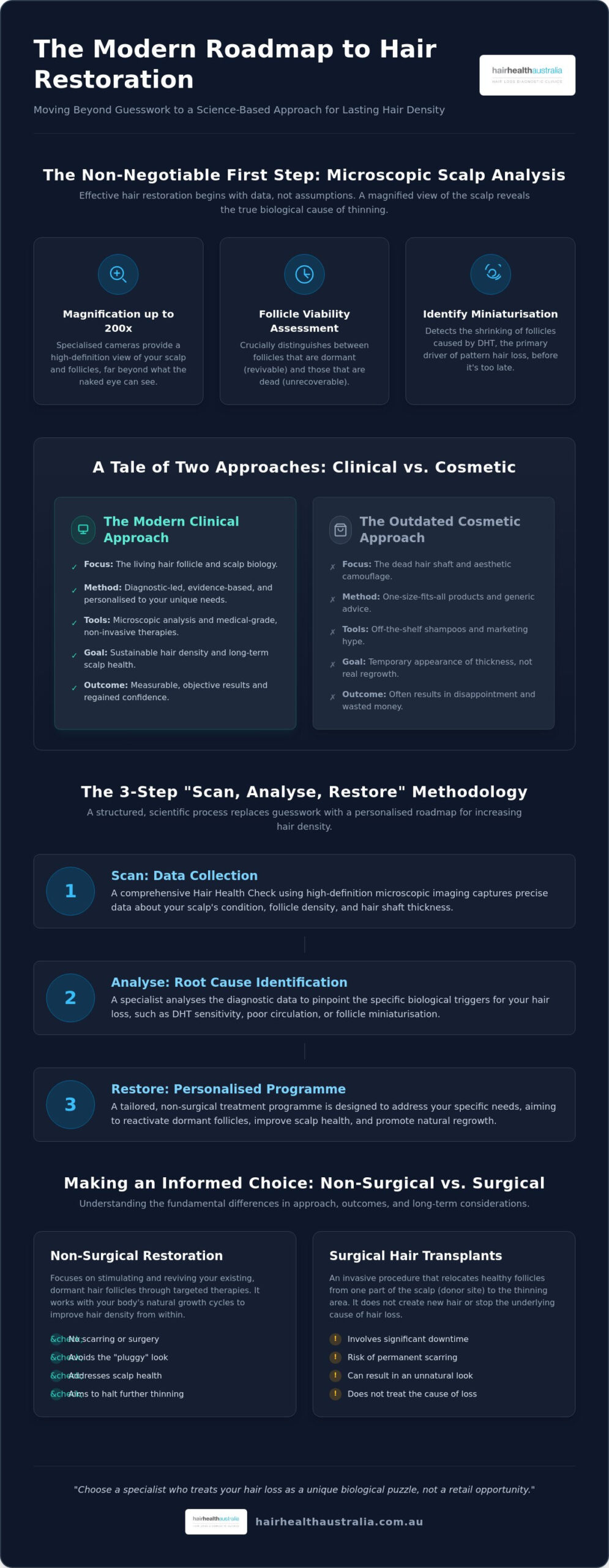
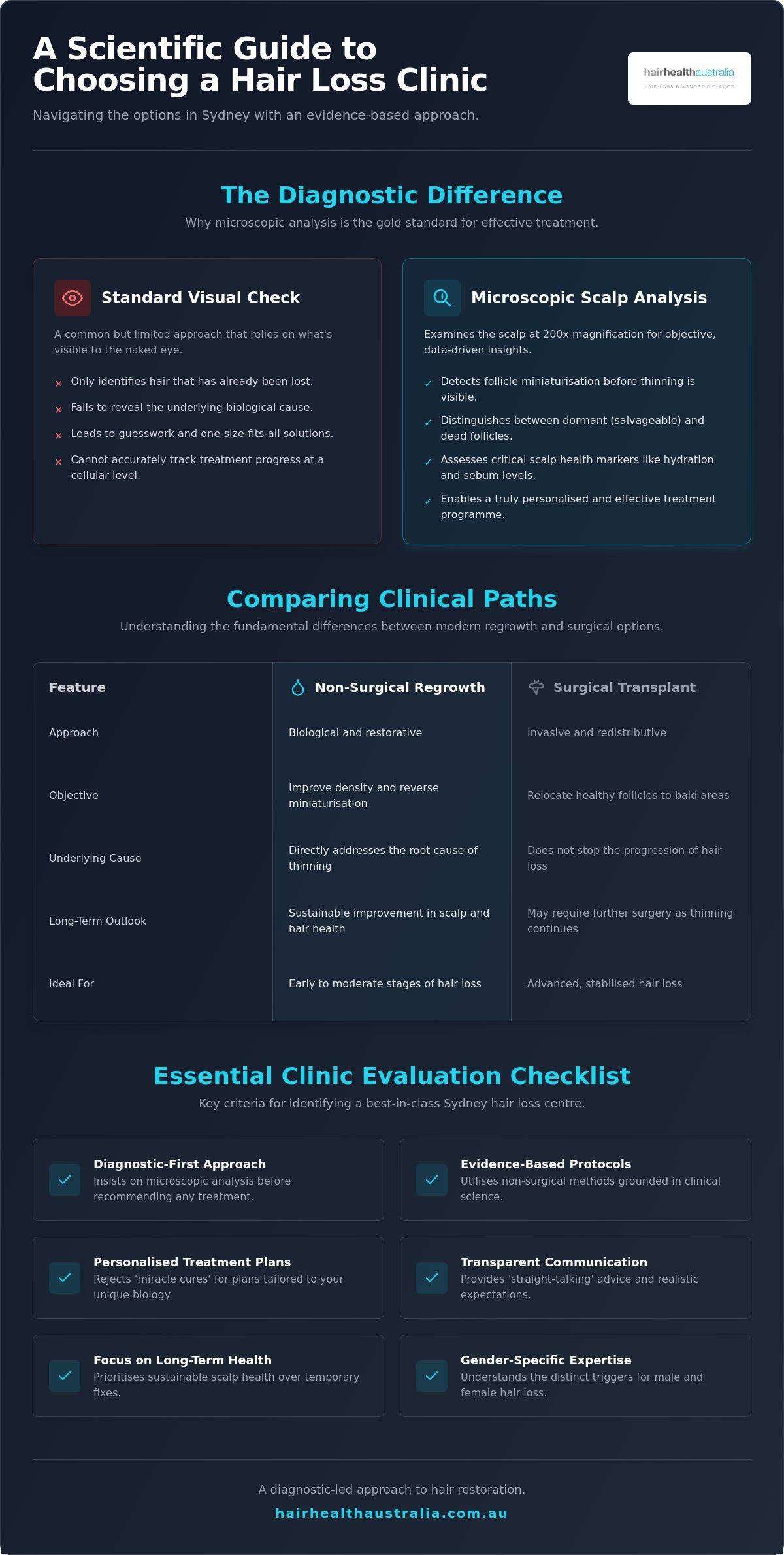
This is where microscopic analysis becomes vital. During a clinical assessment, high-resolution imaging allows us to examine the scalp at up to 200 times magnification. This process reveals the health of individual follicles, the presence of sebum blockages, and the level of scalp inflammation. Most importantly, it provides a baseline. Without this initial data, tracking the success of your regrowth programme becomes a matter of guesswork. Seeing your follicles up close provides the clarity needed to commit to a long-term solution with confidence.

What Your Scalp is Telling You

High magnification exposes details that remain invisible during a standard consultation. We look for sebum build-up that can stifle growth, signs of inflammation, and follicles that have entered a dormant phase. This level of detail allows us to determine your ‘regrowth potential’ before you invest time or money into a programme. Follicle miniaturisation is the biological process where hair follicles progressively shrink over time, producing increasingly thinner and shorter strands until they eventually cease production entirely. Identifying this early is the key to successful intervention. If you want to understand your own scalp health, you can book a free Hair Health Check to see your follicles up close.

Clinical Markers vs. Aesthetic Concerns

It’s crucial to distinguish between temporary shedding and permanent thinning. Many people mistake telogen effluvium, which is often stress-related and temporary, for the onset of permanent pattern loss. Diagnostic data allows us to identify specific clinical markers that separate these conditions. Instead of a generic one-size-fits-all approach, this information informs a bespoke hair health treatment plan tailored to your biological needs. By focusing on the data, we ensure that every therapeutic step is necessary and targeted. If you’re concerned about changes in your hair density, a professional scan is the first step toward a definitive answer.

Clinical Approaches to Restoring Hair Health

Non-Surgical vs. Surgical: Comparing Your Treatment Options

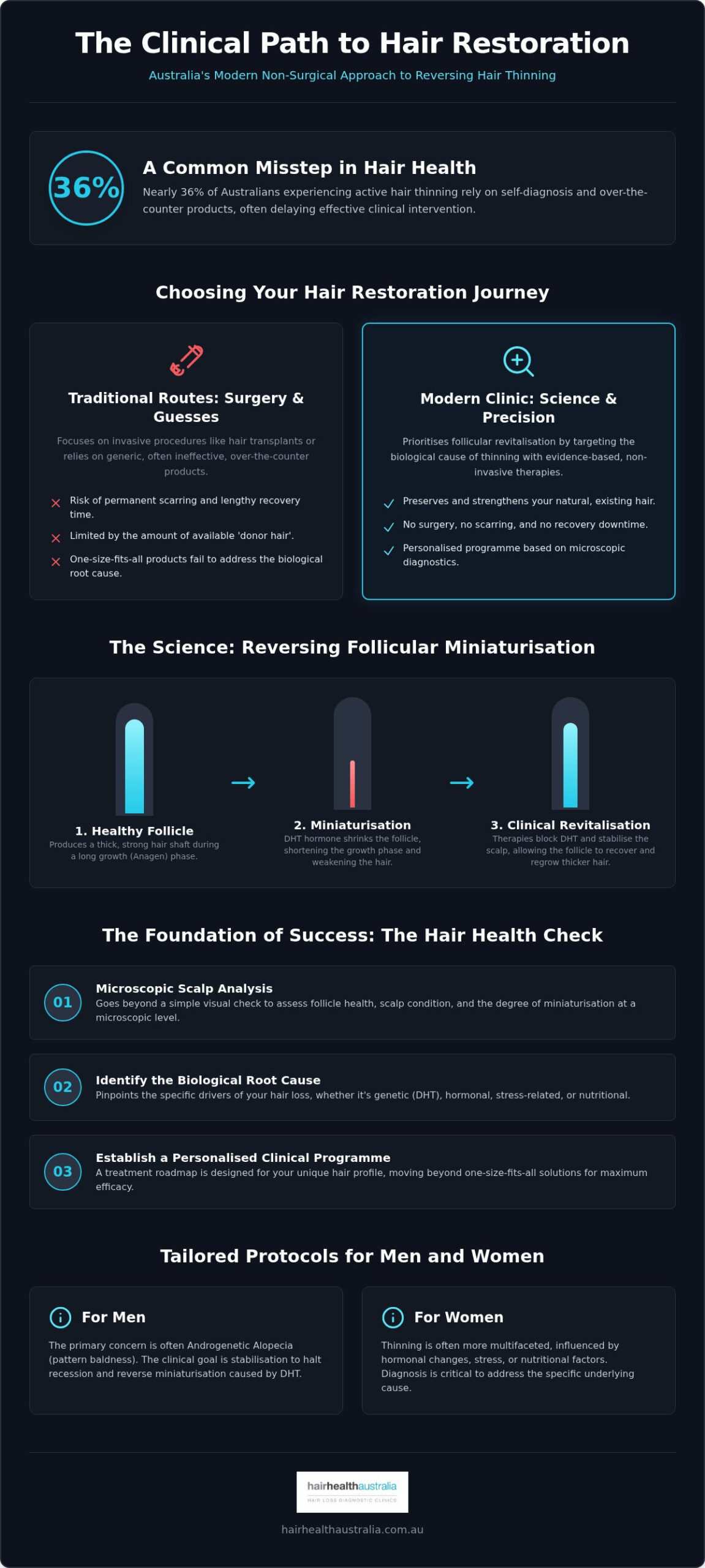
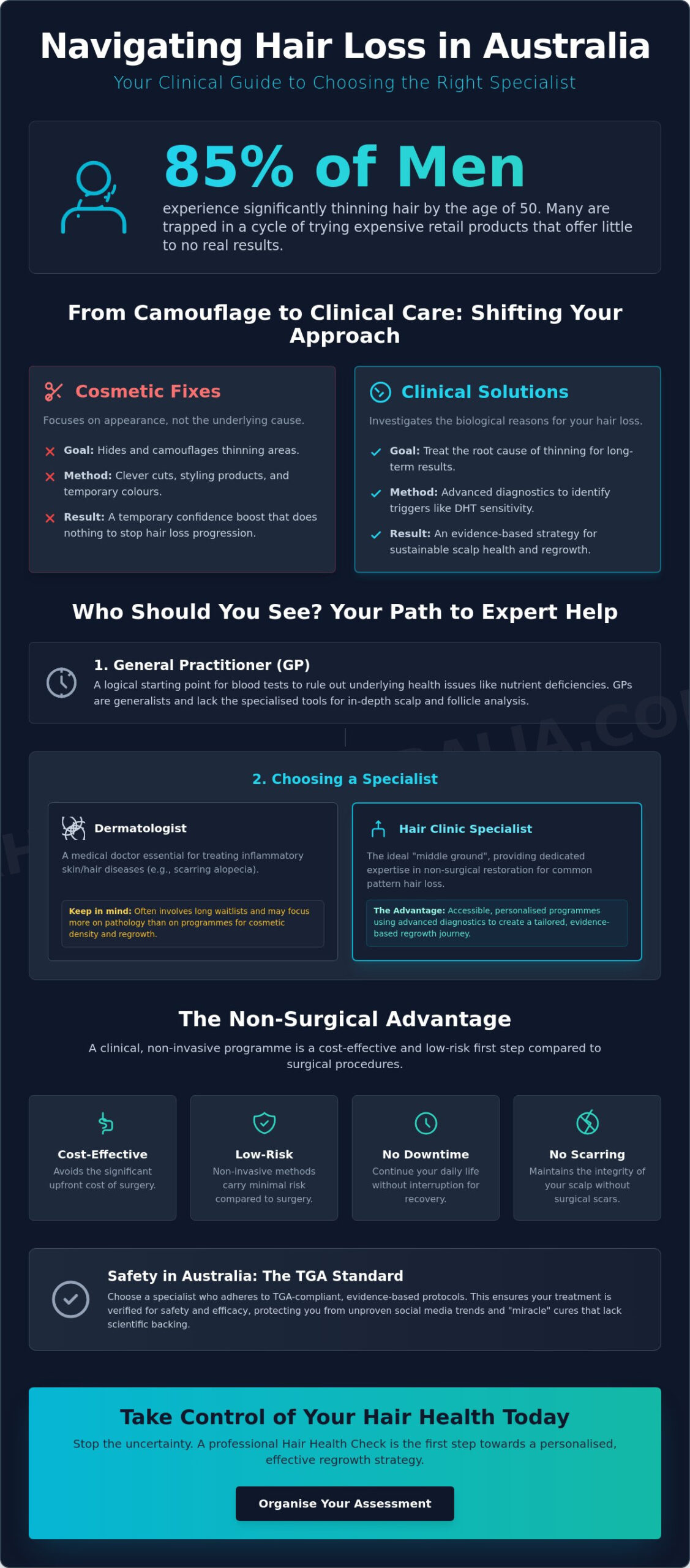
Choosing between a non-surgical hair health treatment and a surgical hair transplant requires a clear understanding of your long-term goals. While surgery moves hair from one area to another, it does not stop the biological process of thinning in the surrounding follicles. This is the “maintenance reality” that many patients overlook. Without a dedicated clinical programme, the non-transplanted hair will continue to miniaturise, often leaving unnatural-looking results over time. Professional dermatologist-led hair loss treatment typically prioritises stabilising the scalp before considering invasive measures.

Clinical regrowth programmes are significantly more cost-effective than surgery, particularly when you factor in the lack of downtime. Invasive procedures like Follicular Unit Extraction (FUE) carry inherent risks, including scarring, infection, and the potential for a “patchy” appearance if the donor site is over-harvested. In contrast, non-surgical pathways focus on revitalising your existing hair density without a single incision. This approach allows you to maintain a professional schedule while systematically improving your scalp health.

The Non-Surgical Advantage

Non-invasive programmes work by stimulating the follicles you already have. This is a major advantage for Sydney professionals who cannot afford the weeks of recovery time required for surgical healing. By using targeted therapies to improve blood flow and nutrient delivery, we can often achieve impressive density improvements. It’s about protecting the hair you still have while encouraging struggling follicles to return to a healthy growth cycle. If you aren’t sure where your density stands, a Hair Health Check is the best way to assess your current status.

When is Surgery Actually Necessary?

Surgery is generally reserved for cases of total follicle death, where the scalp has become smooth and shiny, indicating that the follicles are no longer biologically active. However, early clinical intervention can often prevent you from ever reaching this stage. For those who do eventually require a transplant, a clinical hair health treatment plan is still essential. It prepares the scalp environment for the new grafts and ensures the remaining natural hair stays strong. Treating the scalp as a living ecosystem rather than a patch of skin to be “filled” is the key to a sustainable, natural look.

Building a Bespoke Hair Health Treatment Plan

Developing a successful hair health treatment requires a methodical, multi-stage approach. We don’t believe in generic kits. Instead, we follow a structured progression that ensures every action is backed by your specific biological data. This systematic care moves beyond surface-level aesthetics to address the physiological needs of your follicles at the root.

Step 1: The Diagnostic Phase. As discussed previously, we begin by establishing a clear baseline. Using microscopic data, we identify the current state of your follicles and scalp environment. This allows us to set realistic expectations and track your journey with precision.

Step 2: Stimulating the Follicle. Once we understand the level of miniaturisation, we introduce clinically backed topicals and growth stimulants. These are designed to wake up dormant follicles and extend the growth phase of the hair cycle, encouraging thicker strands to emerge.

Step 3: Scalp Optimisation. We view the scalp as the soil for your hair. If the environment is congested with sebum or inflammation, growth will be stunted. We use clinical modalities to clear these barriers and improve the absorption of active ingredients.

Step 4: Monitoring and Adjusting. Your body’s response to treatment is unique. Regular check-ups allow us to refine your programme, ensuring you continue to see progress over the months and years. This iterative process is what separates a professional clinic from a retail product.

Clinically-Backed Components

A coordinated hair health treatment often incorporates DHT blockers to prevent further follicle shrinkage and growth stimulants to increase density. We also utilise low-level laser therapy to support cellular health and improve blood circulation to the hair bulb. Once you achieve your desired results, we transition you into a ‘Retain’ programme. This phase is critical because hair health is not a one-time fix; it requires sustainable maintenance to keep your results for the long term.

Lifestyle Factors in the Sydney Climate

Living in Sydney presents unique challenges for your scalp. High UV exposure can damage the hair protein, keratin, while frequent swimming in salt water can lead to scalp dehydration and irritation. We also consider the impact of a high-pressure urban lifestyle. Chronic stress is a known trigger for shedding, so managing your biological response to the Sydney pace is part of a holistic approach. We may suggest dietary adjustments to ensure you have the necessary building blocks, such as specific vitamins and minerals, to support keratin production. To start building your personalised plan, you can arrange your microscopic analysis today.

The Hair Health Australia Difference: Sydney’s Specialist Clinic

At our Redfern-based clinic, we’ve built a reputation for non-surgical excellence by prioritising biological facts over marketing hype. We understand that the journey to restoring your hair is personal and often fraught with uncertainty. That’s why our hair health treatment philosophy is rooted in a “straight-talking” approach. We provide you with realistic expectations based on the data from your microscopic scan, ensuring you have a clear understanding of what is achievable for your specific condition.

Unlike high-volume franchises that often rely on a one-size-fits-all model, we offer a level of personalised care that feels like a consultation with a trusted specialist. We take the time to listen to your concerns and explain the science behind our recommendations. This empathetic, clinical environment is designed to replace your anxiety with a systematic plan for recovery. Taking the first step shouldn’t feel like a high-pressure sales pitch; it should feel like the beginning of a professional partnership.

Expert Guidance from Sydney Specialists

Choosing Hair Health Australia means you have a dedicated partner to monitor your progress at every stage. Our specialists are experienced in treating both male and female hair loss patterns, utilising dedicated protocols that respect the unique hormonal and genetic drivers of each case. We recognise that Sydney life is fast-paced, so we organise your hair health treatment to fit seamlessly into your existing routine. High compliance is essential for results, and we work with you to ensure your maintenance steps are sustainable and effective.

Your Path to Restored Confidence

Seeing visible regrowth after years of thinning is a powerful emotional experience. It isn’t just about the hair; it’s about the confidence that returns when you no longer have to worry about your appearance in social or professional settings. Our clients value the discreet, professional experience we provide in our Redfern clinic, where your privacy is always a priority. We invite you to move beyond the confusion of conflicting online advice and discover what the science says about your scalp health. You can start your journey today with a free Hair Health Check.

Take the First Step Toward Lasting Density

Restoring your hair density is a journey that begins with accurate data rather than visual guesswork. By prioritising a science-backed hair health treatment, you’re choosing a path that addresses follicle miniaturisation at its biological source. We’ve explored how microscopic analysis provides the essential baseline for any successful regrowth programme, allowing for a bespoke approach that fits your specific needs and lifestyle. This methodical progression ensures that every therapeutic step is necessary, targeted, and effective.

At our Sydney-owned and operated clinic, we bring over 15 years of clinical experience to every consultation. Our specialised non-surgical regrowth programs focus on achieving visible results without the downtime or inherent risks associated with invasive surgical procedures. We’re committed to providing the “straight-talking” honesty you need to make informed decisions about your scalp health. You don’t have to navigate the confusion of conflicting advice alone. Book Your Free Microscopic Hair Health Check in Sydney to gain the clarity you deserve. It’s never too late to revitalise your follicles and reclaim your confidence with a plan rooted in clinical precision.

Frequently Asked Questions

How long does it take to see results from hair health treatment?

Visible results typically emerge between three and six months after commencing a programme. This timeline reflects the natural biological cycles of the hair follicle, which requires time to transition from a dormant phase to an active growth phase. You’ll usually notice a significant reduction in daily shedding first, followed by a gradual improvement in hair diameter and overall scalp coverage as the new growth matures.

Is hair health treatment permanent, or do I need to continue it forever?

Most clinical programmes require an ongoing maintenance phase to sustain your results. Because conditions such as androgenetic alopecia are progressive, stopping treatment entirely may allow the underlying biological drivers of thinning to resume. We focus on transitioning clients into sustainable, low-effort routines that protect their new density and ensure long-term scalp health without the need for intensive daily clinical visits.

Can women undergo the same hair loss treatments as men?

Women can certainly benefit from a professional hair health treatment, though the specific protocols are tailored to female physiology. While the core principles of follicle stimulation and scalp optimisation remain the same, we adjust the concentrations of active ingredients and therapeutic modalities. This ensures the programme remains safe and effective for female-specific thinning patterns and hormonal profiles.

Are there any side effects to clinical hair regrowth programs?

Non-surgical clinical programmes generally have a high safety profile with very few side effects. Some individuals might experience minor scalp irritation or redness when first introducing medical-grade topicals to their routine. A small number of patients also report temporary shedding during the first few weeks, which is a normal sign that the follicles are resetting to begin a stronger growth cycle.

How much does a professional hair health treatment cost in Sydney?

The cost of a hair health treatment in Sydney is determined by the specific combination of therapies required for your unique condition. Because we believe in a bespoke approach rather than a one-size-fits-all kit, we provide a detailed, personalised quote after your initial diagnostic assessment. This ensures your investment is focused entirely on the clinical components that will yield the best results for your scalp.

What happens during a microscopic Hair Health Check?

During this 30-minute diagnostic session, a specialist uses high-resolution imaging to scan your scalp at up to 200 times magnification. This process allows us to identify follicle miniaturisation, sebum blockages, and scalp inflammation that are invisible to the naked eye. You’ll be able to see these images in real-time, providing a clear and honest look at your current regrowth potential.

Is it possible to regrow hair on a completely bald patch?

Regrowth on a bald patch is possible if the follicles are dormant rather than dead. If microscopic analysis reveals that miniaturised follicles are still present beneath the surface, clinical intervention can often revitalise them. However, if the scalp is completely smooth and the follicles have ceased to function entirely, we will provide a “straight-talking” assessment of what is realistically achievable through non-surgical means.

Do I need a referral from a GP to visit a hair health clinic?

No, you don’t need a referral from a GP to book a consultation at our Redfern-based clinic. As a private specialist provider, we accept direct bookings from anyone concerned about thinning or scalp health. This allows you to take immediate action and access professional diagnostic technology without the need for multiple appointments or long waiting periods.

Managing Alopecia: Clinical Approaches to Hair Loss

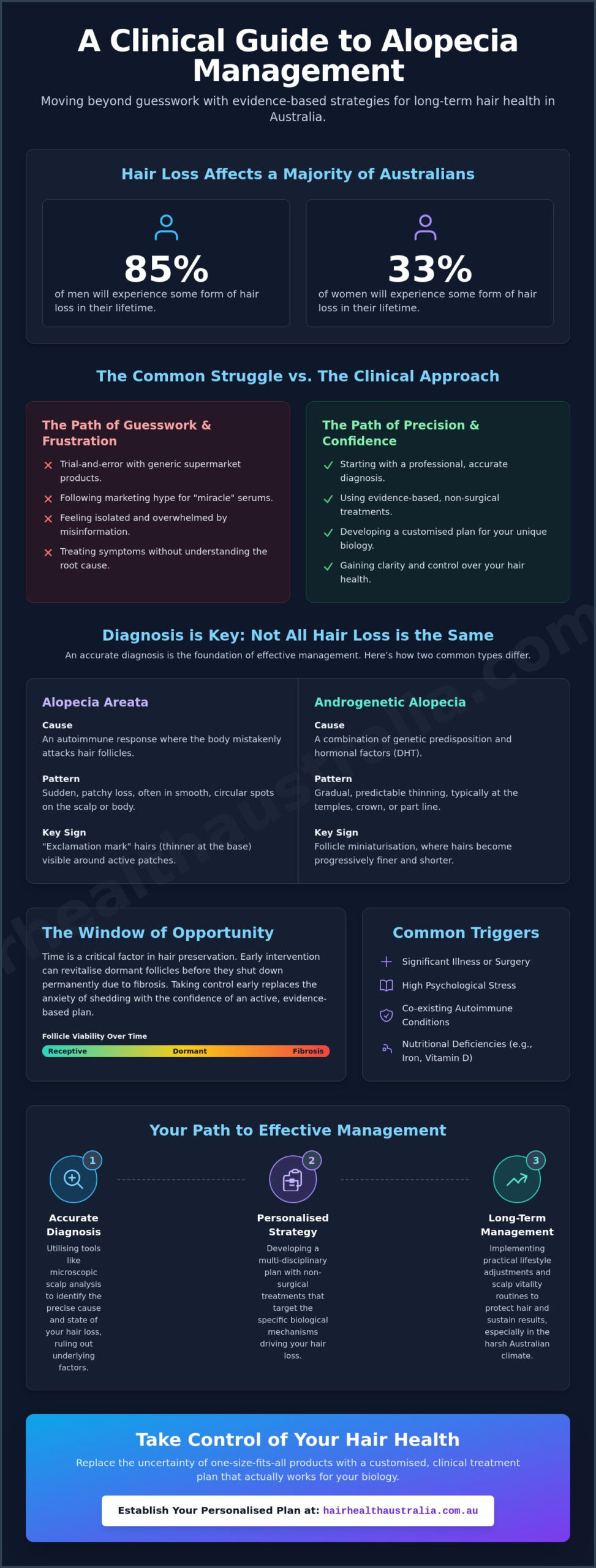
Approximately 85% of men and 33% of women will experience some form of hair loss in their lifetime. While these figures are high, the path to effective alopecia management often feels isolating and riddled with misinformation. You’ve likely spent months trial-and-erroring generic supermarket shampoos or “miracle” serums only to find your reflection remains unchanged. It’s frustrating to watch your hair thin while trying to decipher whether you’re dealing with androgenetic alopecia or an autoimmune condition.

We understand that the fear of permanent loss and the anxiety of visible patches can be overwhelming. This guide moves beyond the marketing hype to provide a clinical perspective on hair health. You’ll discover the latest evidence-based strategies and practical lifestyle adjustments tailored for the unique Australian climate. We’ll outline a clear diagnostic path and explore specialised non-surgical regrowth treatments, giving you the confidence to establish a personalised, long-term management plan that actually works for your biology.

Key Takeaways

  • Learn why professional diagnostic precision is essential to differentiate between conditions like alopecia areata and androgenetic thinning.
  • Understand how effective alopecia management involves a multi-disciplinary approach that targets the underlying biological mechanisms of hair loss.
  • Explore non-surgical regrowth treatments that focus on revitalising follicles; we prioritise clinical results over temporary cosmetic fixes.
  • Discover practical ways to maintain scalp vitality and protect your hair from the harsh effects of the Australian climate.
  • Gain clarity on how a customised, clinical treatment plan replaces the uncertainty of one-size-fits-all retail products.

Understanding Alopecia Management: More Than Just Hair Loss

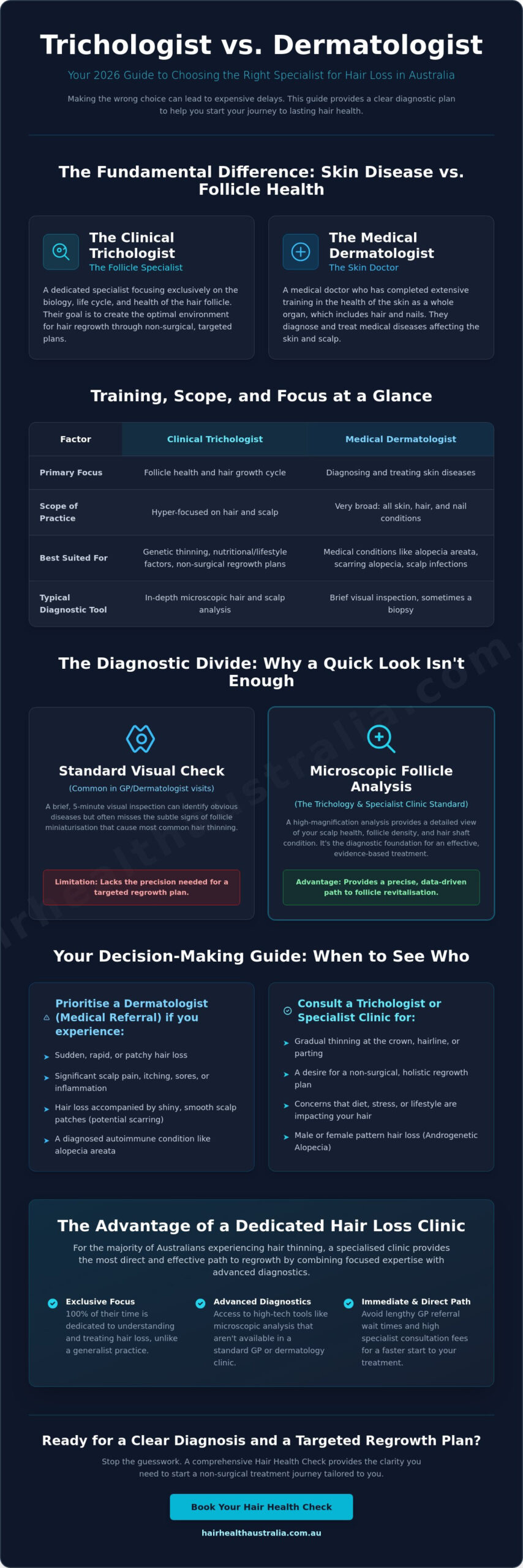
Effective alopecia management is far more than a reactive response to thinning hair; it’s a proactive, multi-disciplinary clinical strategy. Many people approach hair loss searching for a “cure,” but in the medical community, we focus on systematic management. While a permanent cure for many types of hair loss remains elusive, successful management is highly achievable through science-led protocols. It requires moving away from over-the-counter guesswork and toward a structured approach that addresses the biological root causes of shedding. A professional clinical assessment is the non-negotiable first step in this process. It establishes the specific baseline needed to track progress and allows us to adjust interventions based on your individual response.
The Autoimmune Connection and Common Triggers

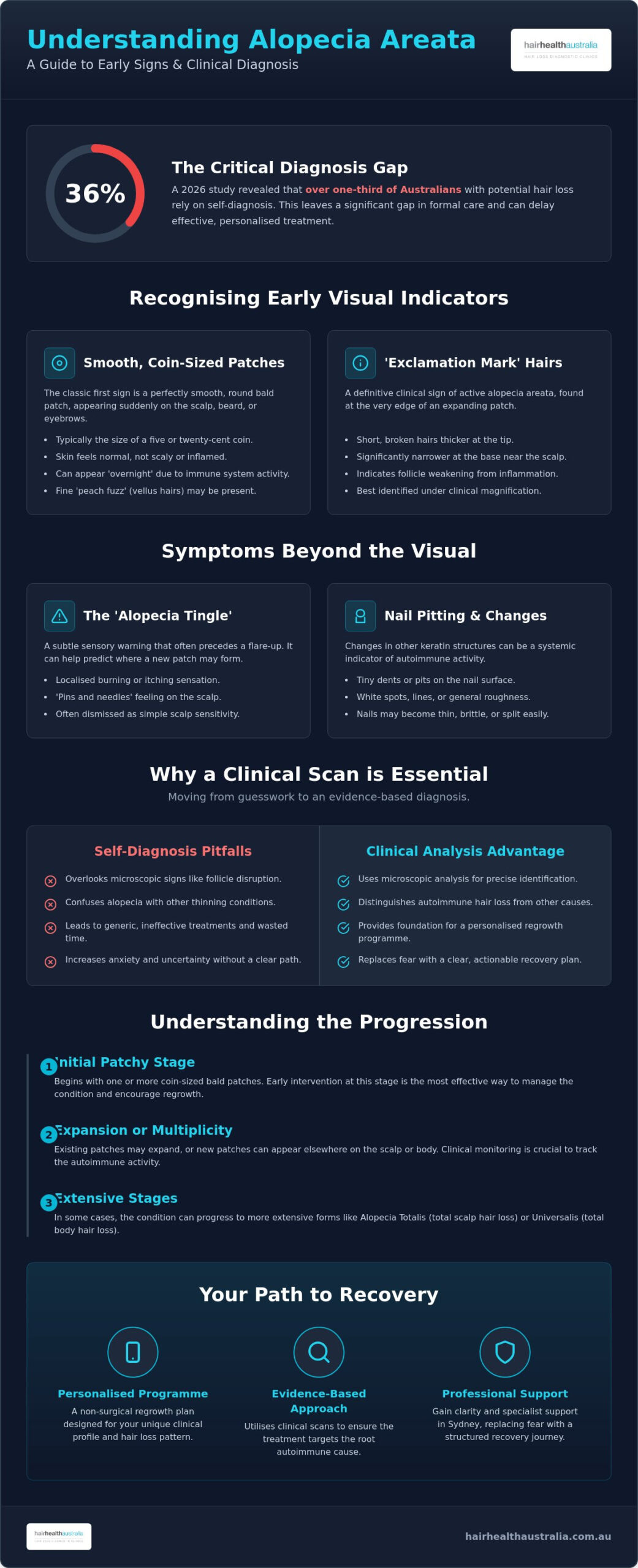
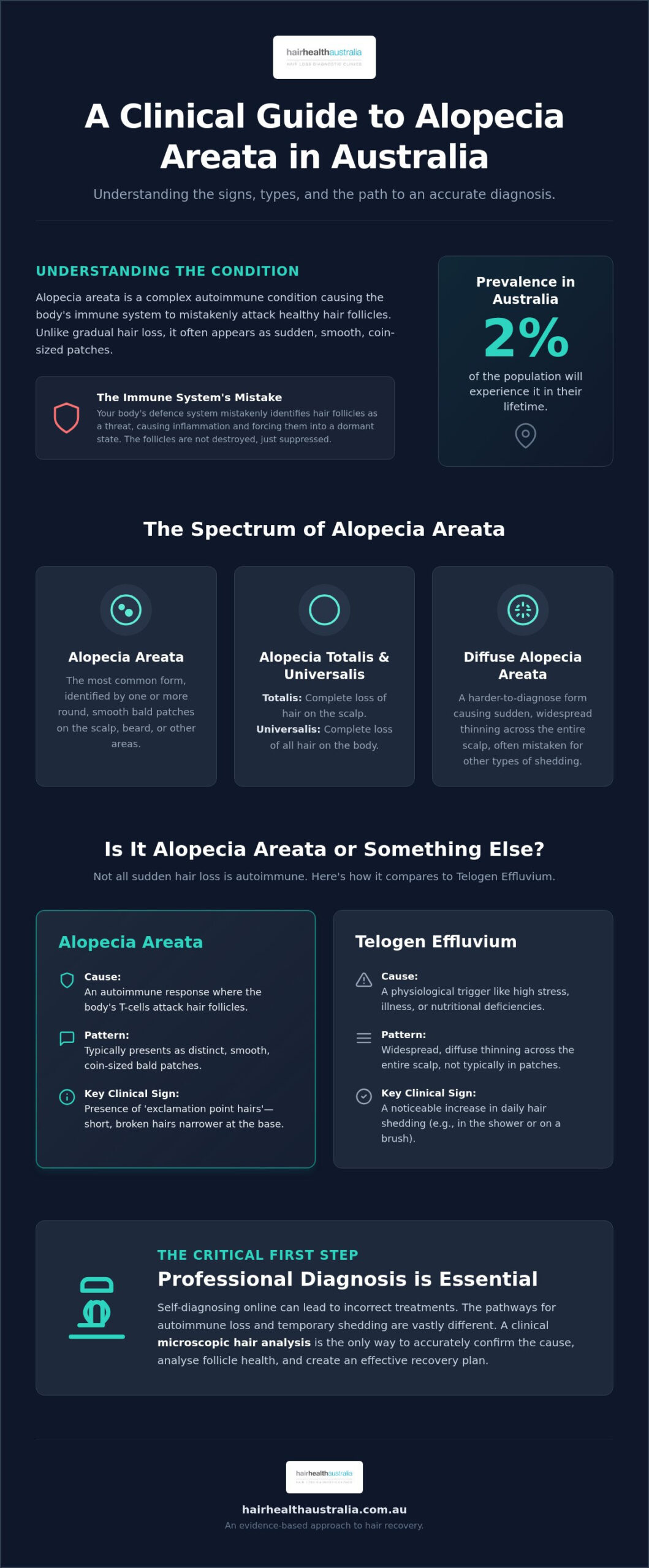
At its core, many forms of hair loss are driven by an internal miscommunication within the body. For a deeper dive into the clinical classification and symptoms, Understanding Alopecia Areata provides a useful foundation for how the immune system mistakenly identifies hair follicles as foreign invaders. Specifically, specialised white blood cells known as T-cells gather around the follicle, causing it to prematurely enter a resting phase. In the Australian context, we often see this mechanism triggered by periods of high physiological or psychological stress, or following a significant illness. It’s also common for these hair concerns to co-exist with other autoimmune conditions, such as thyroid disease. This is why we take a holistic clinical view rather than just looking at the scalp in isolation.

Why Early Intervention Matters in Australia

Time is a critical factor in hair preservation. There’s a specific “window of opportunity” where dormant follicles can still be revitalised before they undergo permanent fibrosis. Once a follicle has completely ceased activity for an extended period, the efficacy of non-surgical regrowth treatments diminishes. Beyond the biology, taking control of the situation early provides a significant psychological boost. It replaces the anxiety of passive shedding with the confidence of an active, evidence-based plan. For those seeking a hair specialist in Sydney, a tailored plan is vital. We focus on individualised Male Hair Loss Treatment and Female Hair Loss Treatment protocols that respect the unique way your body responds to the local environment. By intervening before the shedding cycle becomes advanced, you’re not just saving hair; you’re preserving the foundation for long-term scalp health.

Diagnostic Precision: Identifying Your Specific Type of Alopecia

Successful alopecia management is built on the foundation of an accurate, clinical diagnosis. It’s a common mistake to assume all hair loss is the same, yet the biological drivers behind various conditions are vastly different. While some might rely on a cursory visual inspection, this often leads to an incomplete or even incorrect assessment. We must differentiate between the autoimmune nature of alopecia areata, the physical stress of traction alopecia, and the hormonal triggers of androgenetic thinning. Without this clarity, any subsequent treatment is likely to be ineffective. We also prioritise ruling out systemic factors; in the Australian population, deficiencies in Iron and Vitamin D are frequent contributors to shedding. A personalised diagnostic report is essential to ensure we’re treating the cause, not just the symptom.

Alopecia Areata vs. Androgenetic Alopecia

The patterns of loss tell a specific story. Alopecia areata is characterised by its “patchy” presentation, often appearing as smooth, circular bald spots that can emerge quite suddenly. In contrast, androgenetic thinning follows a gradual, predictable pattern across the crown or temples. During an active phase of areata, we look for “exclamation mark” hairs, which are thicker at the top and narrower at the base. Because hair thinning alopecia involves a slow miniaturisation of the follicle rather than an acute immune attack, the management strategies are fundamentally distinct. Acknowledging these differences is a vital part of the patient perspectives on treatments, ensuring that expectations align with the biological reality of the condition.

Microscopic Scalp Analysis: The Gold Standard

To achieve true precision, we employ high-magnification microscopic scanning. This technology allows us to identify follicle miniaturisation long before it becomes visible to the naked eye. By viewing “live” data of your scalp health during a consultation, we can distinguish between follicles that are dormant and those that are permanently scarred. This level of detail is crucial for tracking progress with clinical accuracy. Rather than relying on subjective mirror checks, we use these scans to measure increases in hair density and diameter over time. If you’re ready to see the data behind your hair health, a comprehensive Female Hair Loss Treatment assessment can provide the clarity you need to move forward with confidence.

Managing Alopecia: Clinical Approaches to Hair Loss

Evidence-Based Clinical Interventions for Effective Management

Once a precise diagnosis is established, the focus shifts from observation to action. Many patients are historically told to “wait and see,” but this passive approach often allows follicle miniaturisation to progress unchecked. Active alopecia management prioritises the preservation of existing hair while stimulating dormant follicles back into a growth phase. It’s a common misconception that hair transplant surgery is the only permanent solution for hair loss. In reality, modern non-surgical interventions offer a robust, evidence-based path to maintaining density and promoting regrowth without the downtime or cost of invasive procedures. Success depends on a structured, clinical programme where consistency is the primary driver of long-term results. By intervening early with a dedicated plan, we can often arrest the shedding cycle and restore scalp vitality before permanent loss occurs.

Non-Surgical Regrowth Programmes and PRP

Clinical programmes often integrate Platelet-Rich Plasma (PRP) therapy to accelerate the body’s natural regenerative processes. This procedure involves using a concentrated portion of the patient’s own blood, which is rich in growth factors, to nourish the scalp environment. When these growth factors are introduced to the follicle, they signal a transition from the resting phase to an active growth cycle. We often combine this with Low-Level Laser Therapy (LLLT). Laser treatments work by increasing local blood flow and cellular energy production within the scalp. The synergy between these modalities is powerful; while PRP provides the biological “fuel” for growth, laser therapy ensures the “delivery system” is functioning at its peak. This multi-faceted approach is a cornerstone of both Male Hair Loss Treatment and female-specific protocols.

Topical and Oral Medical Management

Maintaining hair density often requires a daily commitment to medical management. We utilise clinically-backed topicals that have been rigorously tested for safety and efficacy. In Australia, it’s vital to use TGA-approved options that meet our national safety standards. These medications work by blocking the hormonal triggers of thinning or by physically dilating blood vessels to improve follicle access to nutrients. However, medical management isn’t a “set and forget” strategy. It must be overseen by a specialist who can monitor your scalp’s response and manage potential side effects. This professional oversight is a critical component of successful alopecia management, ensuring that your programme remains safe and effective as your hair health evolves. By combining these medical interventions with targeted clinical treatments, we create a comprehensive shield against further loss. If you’re ready to begin your journey, a tailored Female Hair Loss Treatment plan can provide the structure you need.

Practical Daily Management and Scalp Vitality

Daily habits act as the silent partners to your clinical success. Effective alopecia management requires a conscious shift in how you interact with your scalp every day. During periods of active shedding, the follicles are often in a heightened state of sensitivity. This makes gentle handling a priority. We recommend a “less is more” approach to styling; avoid high-tension hairstyles like tight ponytails or buns that can lead to additional traction loss. Using a wide-tooth comb and avoiding excessive heat from blow-dryers will help preserve the integrity of the hair you have. These small adjustments, while seemingly minor, create the stable environment necessary for our clinical interventions to take hold.

The harsh Australian environment is another factor that cannot be ignored. Our climate is particularly demanding on a compromised scalp. High temperatures and humidity can lead to sweat accumulation and irritation, which may exacerbate inflammatory responses. Maintaining scalp hygiene with pH-balanced, clinical-grade cleansers is essential to keep the follicles clear of debris and excess sebum. If you’re ready to implement a professional care routine, exploring a structured Male Hair Loss Treatment programme can provide the specific products and guidance needed for your hair type.

Sun Protection and the Australian Climate

The intense UV radiation in Australia presents a unique challenge for those with visible thinning or patches. Sunburn on the scalp is not just painful; it causes significant inflammation that can further hinder the regrowth process. Protecting exposed areas is non-negotiable. While specialised, non-greasy scalp sunscreens are available, physical barriers remain the most effective choice. We suggest wearing hats made from breathable fabrics, such as cotton or linen, to allow for airflow while blocking UV rays. This is especially important in the Sydney heat, where trapped sweat under a heavy synthetic cap can lead to folliculitis or general scalp discomfort.

Psychological Support and Lifestyle Adjustments

Acknowledging the emotional weight of hair loss is a vital part of the recovery journey. Stress is a known physiological trigger that can prolong the shedding phase, so finding effective ways to manage it is a clinical necessity. Building resilience often involves connecting with others who understand the experience. Organisations like the Australia Alopecia Areata Foundation (AAAF) provide excellent resources and support networks for patients and their families. Learning how to communicate your condition to friends and colleagues can also alleviate the social anxiety that often accompanies visible patches. By combining clinical expertise with a strong support system, you move from a place of uncertainty to one of empowerment.

Personalised Alopecia Management at Hair Health Australia

At Hair Health Australia, we believe that successful alopecia management is built on a foundation of mutual trust and clinical precision. Our philosophy bridges the gap between medical authority and empathetic care; we acknowledge that hair loss is a deeply personal journey. We don’t believe in one-size-fits-all solutions because every biological profile is unique. Instead, we develop customised treatment plans that address the specific type and stage of your condition. This individual-centric approach ensures that you aren’t wasting time on generic retail products that fail to address the underlying causes of your shedding. Our goal is to replace the frustration of failed treatments with a systematic, evidence-based path forward.

Many of our patients come to us seeking an alternative to invasive hair transplant surgery. Our non-surgical methods are the preferred choice for those who want to revitalise their natural hair through biological stimulation rather than surgical graft relocation. By focusing on the health of the follicle itself, we provide a sustainable path to regrowth that respects your body’s natural cycles. This focus on preservation and revitalisation is what sets our clinical outcomes apart.

Our Sydney-Based Clinical Approach

Our central Sydney clinic is dedicated to providing non-invasive, clinically-backed regrowth programmes. We differentiate ourselves by focusing on the “Hair Health” difference; we target the vitality of the follicle deep within the dermis rather than just the visible hair shaft. This systematic care involves monitoring cellular activity and the scalp environment to ensure optimal conditions for growth. Our commitment to effective alopecia management means we provide the tools and education you need to maintain results long after your initial sessions. Being locally based allows us to provide consistent, face-to-face support, ensuring your progress is tracked with professional accuracy at every milestone.

Transitioning from Uncertainty to a Managed Plan

Your journey begins with a comprehensive consultation where we perform a detailed microscopic scalp scan. This provides the “live” data mentioned earlier in this guide, allowing you to see the current state of your follicles alongside our specialists. We prioritise transparency, which means we set realistic expectations from day one. You’ll receive a clear roadmap with defined milestones for your hair regrowth, replacing the anxiety of the unknown with a structured, managed plan. Taking the first step can be daunting, but reclaiming your confidence starts with professional clarity and a data-driven approach. Whether you require a Male Hair Loss Treatment or a specialised Female Hair Loss Treatment, we’re here to guide you through every stage of the process with precision and care.

Take Control of Your Hair Health Today

Successful alopecia management relies on moving away from generic products and toward a data-driven, clinical partnership. We’ve explored how advanced microscopic diagnostic technology and specialised non-surgical regrowth programmes can stabilise shedding and revitalise dormant follicles. By combining clinical interventions with practical adjustments for the Australian climate, you can establish a sustainable path to recovery. It’s about replacing the anxiety of the unknown with a structured, professional roadmap.

With over 15 years of clinical experience in Sydney, our team is dedicated to providing the clarity and support needed to navigate your hair health journey. We focus on providing realistic expectations and measurable results through evidence-based science. Taking the first step is often the most significant part of the process; however, having a clear plan makes all the difference to your long-term confidence and scalp vitality.

Book Your Comprehensive Scalp Analysis at Our Sydney Clinic to begin your personalised programme. You don’t have to navigate these changes alone; professional expertise is ready when you are.

Frequently Asked Questions

Can alopecia be cured permanently?

There is currently no permanent medical cure for most forms of alopecia, but the condition can be successfully managed through clinical intervention. Effective alopecia management focuses on suppressing the overactive immune response and stimulating dormant follicles to return to a growth phase. While we can’t change the underlying genetic or autoimmune predisposition, we can often achieve significant regrowth and maintain hair density for the long term with consistent care.

How long does it take to see results from alopecia management?

Visible changes typically emerge within three to six months of starting a structured clinical programme. This timeline is dictated by the natural biological hair growth cycle, which cannot be rushed. The initial phase of treatment often focuses on stabilising shedding, followed by the gradual appearance of fine, new hairs. We use microscopic scanning at regular intervals to track these incremental improvements before they are visible to the naked eye.

Is alopecia management covered by Medicare in Australia?

Medicare generally doesn’t provide rebates for treatments conducted within private hair loss clinics, as these are often classified as elective services. However, you may be able to claim a portion of the costs for initial diagnostic blood tests or specialist consultations if you have a referral from your GP. It’s always best to check with your private health insurer to see if your specific extras cover includes any provisions for clinical hair loss therapies.

What is the difference between alopecia areata and universalis?

The primary difference lies in the extent of the hair loss across the body. Alopecia areata typically presents as small, circular patches on the scalp or beard area. Alopecia universalis is a more advanced stage of the same autoimmune condition, resulting in the total loss of all body hair, including eyebrows and eyelashes. Both conditions involve the same underlying immune mechanism, but they require different levels of clinical intensity for effective management.

Can stress really trigger an alopecia flare-up?

Yes, significant physiological or psychological stress is a well-documented trigger that can initiate or worsen an alopecia flare-up. High stress levels can disrupt the hair’s natural cycle, pushing a higher percentage of follicles into a resting phase simultaneously. In autoimmune cases, stress may also exacerbate the immune system’s tendency to attack the follicles. Managing lifestyle factors is therefore a critical component of any comprehensive hair health plan.

Are non-surgical treatments as effective as hair transplants?

Non-surgical treatments and transplants serve different clinical purposes and are not directly comparable. While surgery moves hair from one area to another, non-surgical programmes focus on revitalising your existing follicles and preventing further thinning across the entire scalp. For many patients, non-surgical alopecia management is the preferred first-line approach because it is non-invasive and addresses the biological health of the scalp rather than just the cosmetic symptoms.

How often should I visit a hair loss clinic for management?

Most patients attend our Sydney clinic once every four to six weeks during the active phase of their treatment programme. These regular visits allow us to administer clinical-grade therapies and monitor your scalp’s response to the current protocol. Once your condition has stabilised, the frequency of visits may decrease to quarterly maintenance check-ups. This ensures that any new signs of shedding are identified and addressed before significant loss occurs.

Is it safe to colour my hair if I have alopecia?

It’s generally safe to colour your hair, provided your scalp isn’t currently inflamed or experiencing an active, painful flare-up. We recommend using gentle, ammonia-free dyes and performing a patch test first to ensure you don’t have a secondary sensitivity. If you are undergoing active clinical treatments, it’s a good idea to wait at least 48 hours after a session before applying any chemical treatments to the hair to avoid unnecessary scalp irritation.