Female Scalp Treatment for Hair Growth: The Essential Australian Checklist

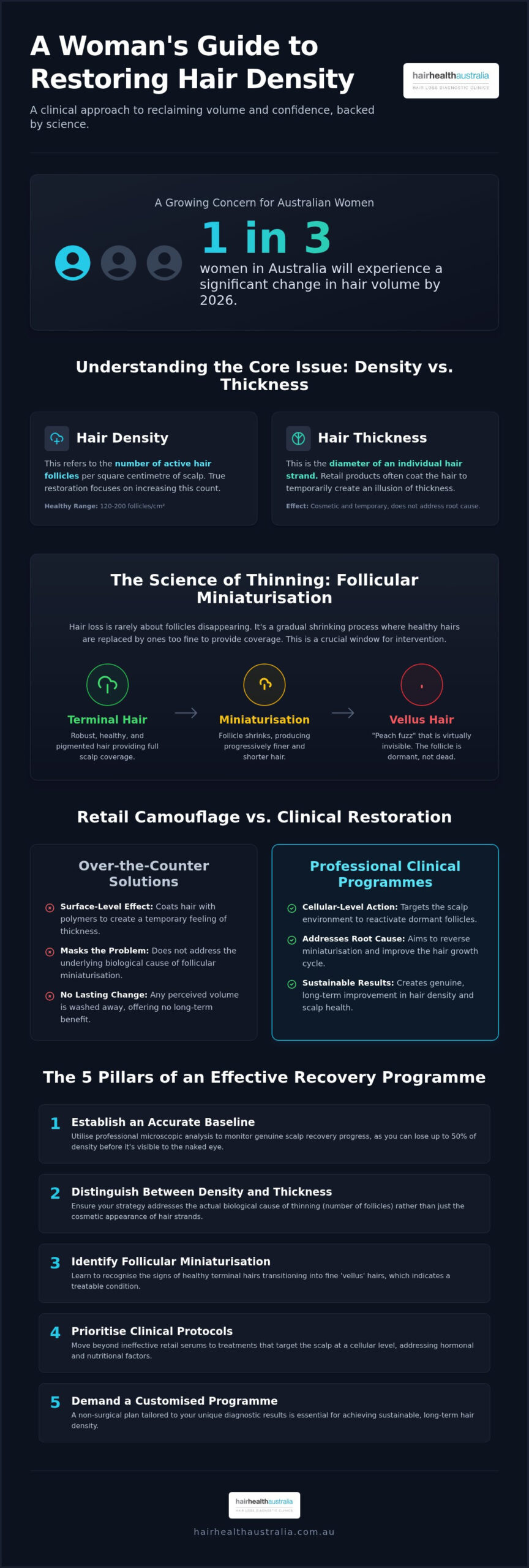
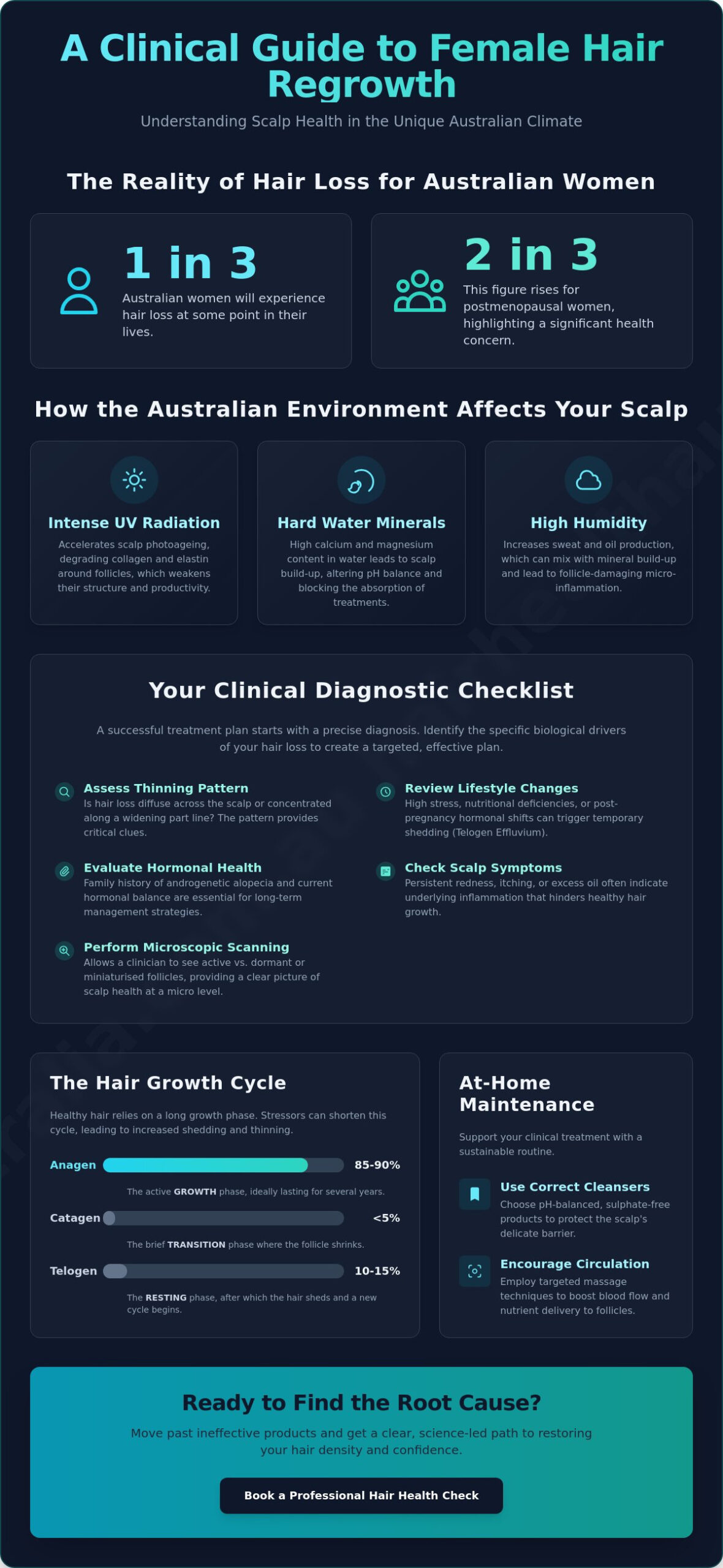
Did you know that approximately one-third of Australian women will experience hair loss at some point in their lives, a figure that rises to two-thirds for those who are postmenopausal? If you’ve spent months testing expensive “miracle” serums only to see more of your scalp in the mirror, you aren’t alone. Seeking a professional female scalp treatment for hair growth Australia shouldn’t feel like a gamble or a confusing maze of technical terms like PRP and laser therapy. You deserve a clear, clinical path that replaces anxiety with objective, science-led results.

We recognise that restoring hair density is about more than just aesthetics; it’s about regaining confidence through a systematic approach to scalp health. This article outlines a comprehensive, non-surgical framework designed specifically for the Australian climate and regulatory standards. You’ll discover how to move past the frustration of ineffective products and establish a sustainable maintenance plan. We will guide you through the essential diagnostic steps, evidence-based treatment modalities, and the lifestyle factors that ensure your results are both visible and lasting.

Key Takeaways

  • Understand how the unique Australian climate and high UV levels accelerate scalp ageing and why addressing skin health is vital for successful hair regrowth.
  • Learn to identify specific thinning patterns and lifestyle triggers as part of a clinical diagnostic checklist to find the root cause of hair density loss.
  • Evaluate non-surgical interventions, including Low-Level Laser Therapy and professional formulations, to determine the right female scalp treatment for hair growth Australia for your specific needs.
  • Establish a sustainable maintenance routine using pH-balanced, sulphate-free cleansers and targeted massage techniques to protect the scalp barrier and encourage circulation.
  • Discover how to navigate professional consultations with confidence by knowing the right questions to ask about evidence-based results and long-term care plans.

Understanding the Scalp-Hair Growth Connection in the Australian Climate

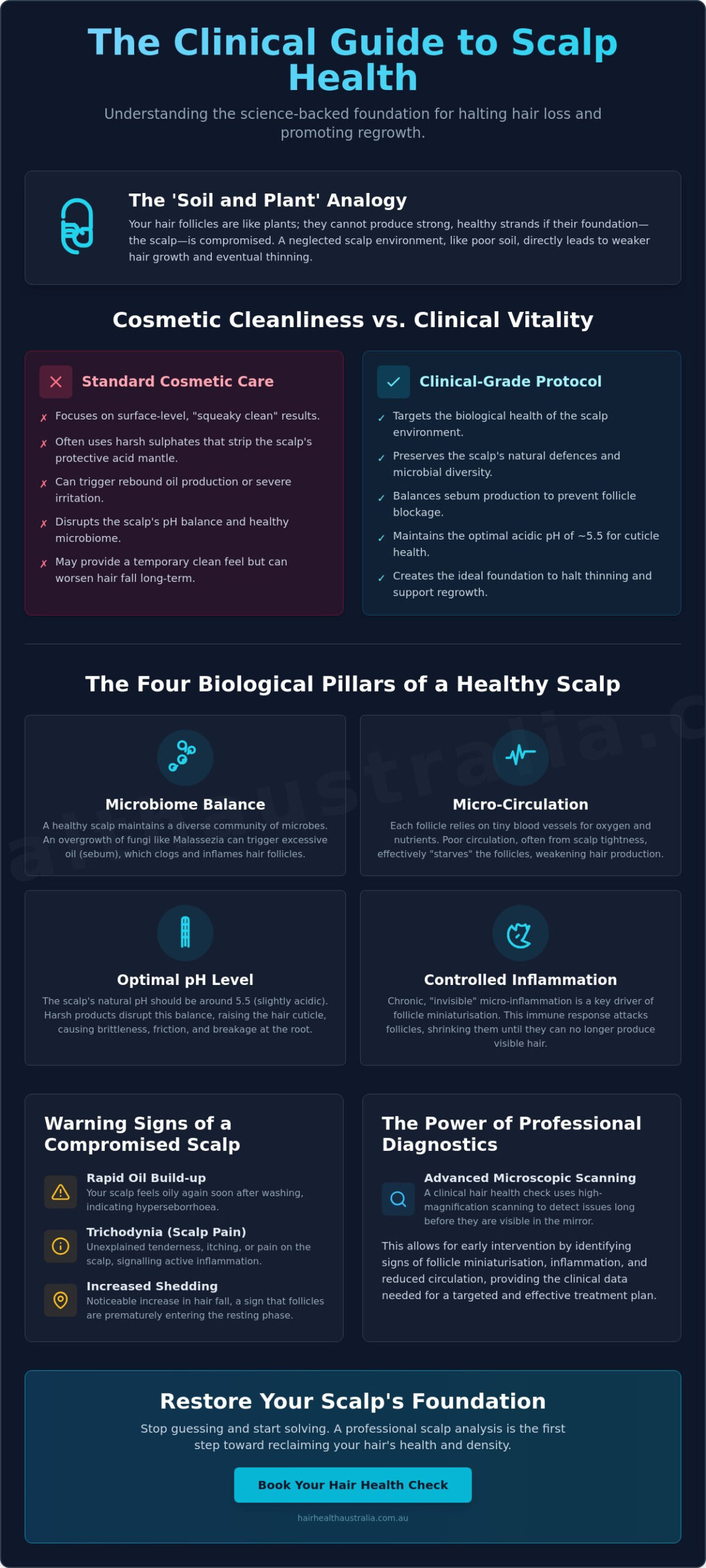
To understand hair thinning, we must first look at the scalp as the biological “soil” for your hair follicles. Healthy hair is not an isolated event; it is the direct result of a nourished, balanced, and functional scalp environment. Many women mistakenly invest in superficial hair treatments that only coat the hair shaft with silicones to provide a temporary shine. However, a clinical female scalp treatment for hair growth Australia focuses on the dermis and the follicle itself, where the actual growth occurs. Without addressing the health of the skin below the surface, even the most expensive conditioners will fail to improve hair density.

In Australia, our environmental conditions are particularly demanding. High mineral content in local water, often referred to as hard water, can lead to significant calcium and magnesium build-up on the scalp. This residue alters the natural pH balance and creates a barrier that prevents topical treatments from penetrating effectively. When combined with the sweat and oil production triggered by our humid summers, this build-up can lead to micro-inflammation, which quietly compromises the follicle’s ability to produce strong, pigmented hair strands.

The Role of the Follicle in Hair Density

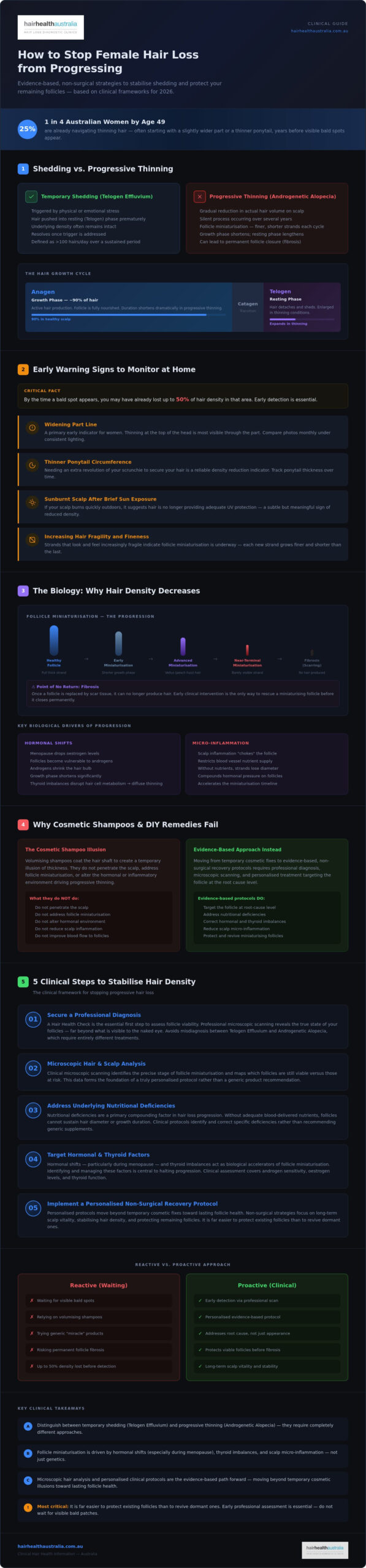
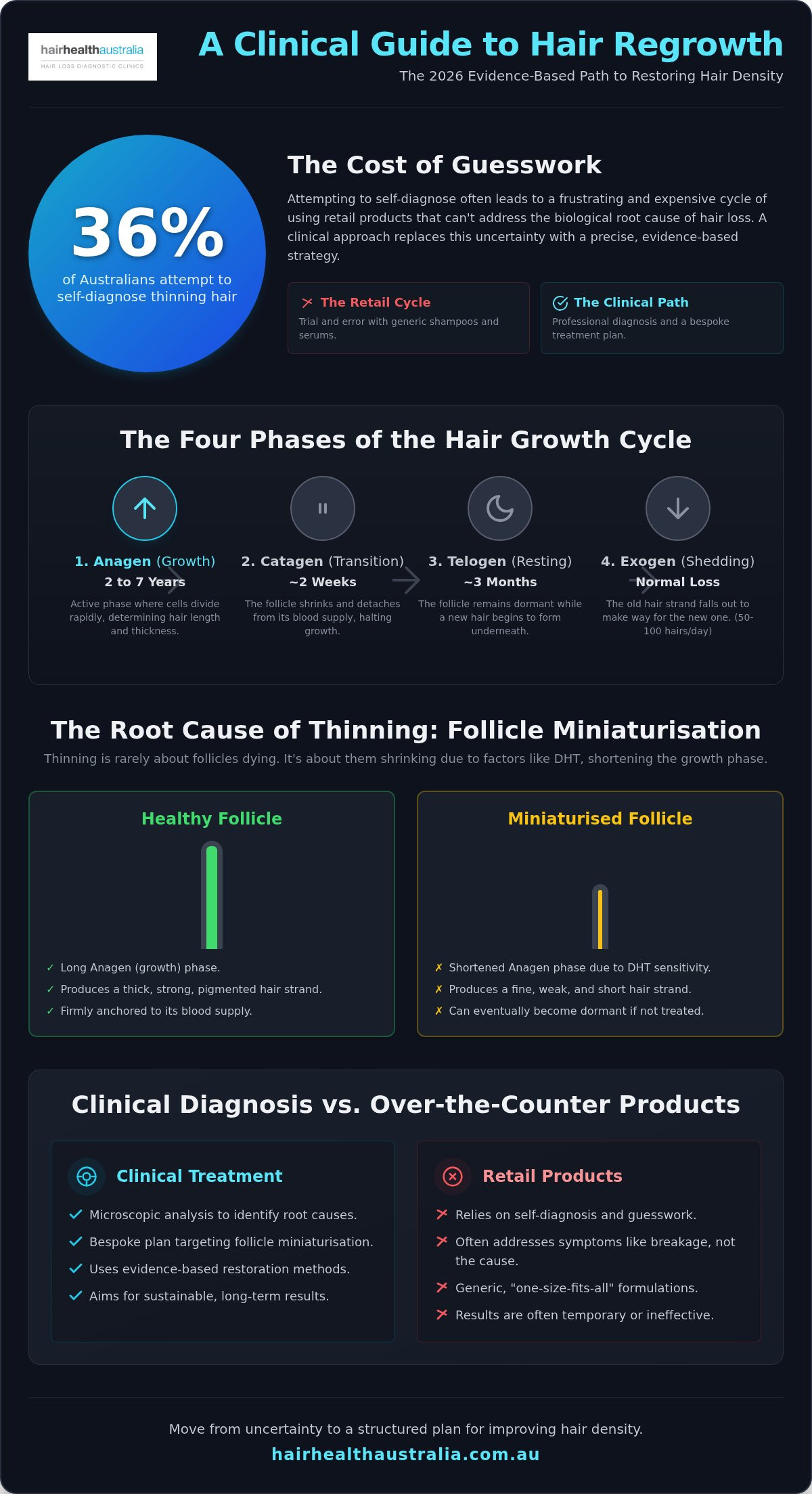
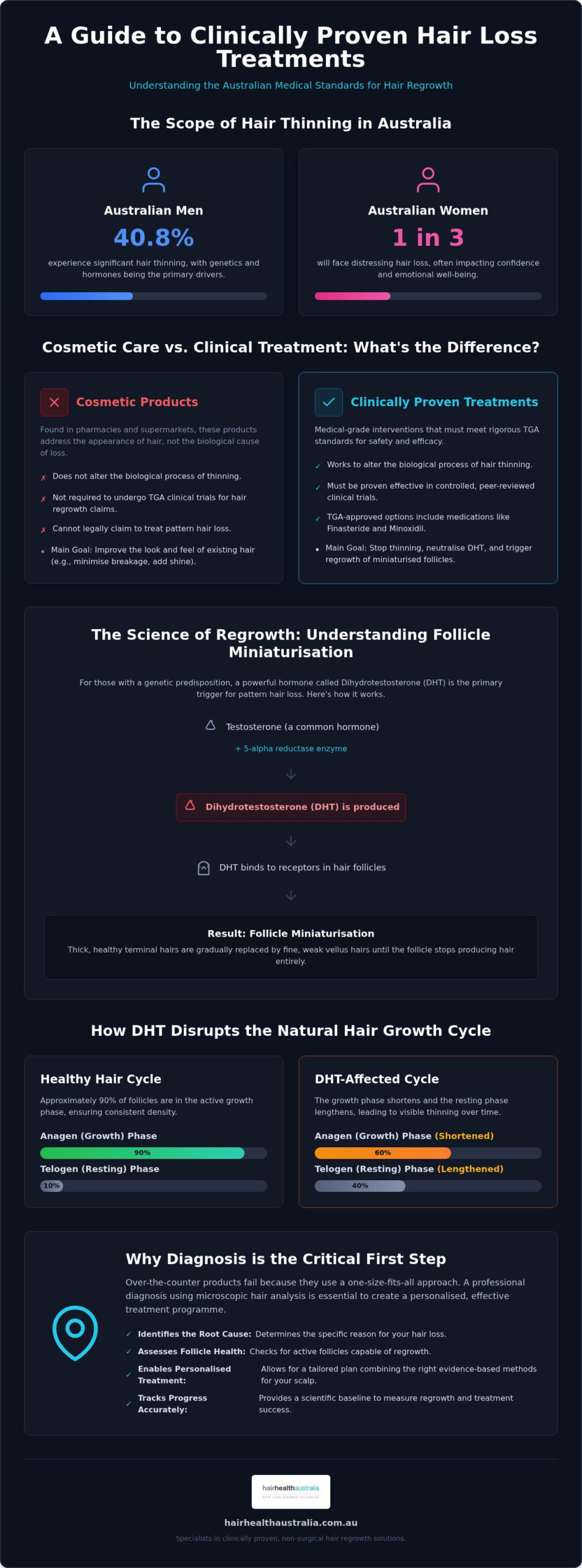
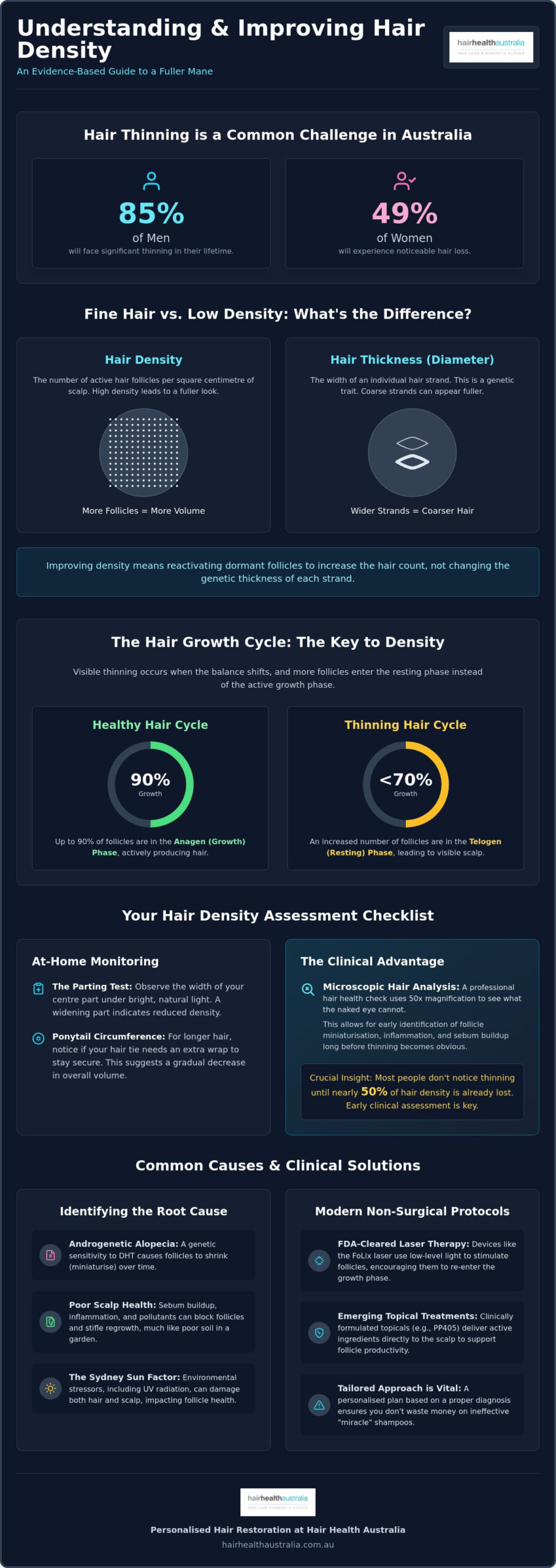
Hair growth occurs in a specific cycle consisting of the Anagen (growth), Catagen (transition), and Telogen (resting) phases. Ideally, about 85 to 90 percent of your hair should be in the Anagen phase at any given time. However, conditions like Pattern hair loss can cause these follicles to miniaturise over time. When the scalp is inflamed or congested, follicles receive biological signals to enter the resting phase prematurely. This leads to increased shedding and a noticeable loss of volume. Ensuring your follicles remain clear of debris and inflammation is a biological necessity for sustaining a healthy growth cycle.

Australian Environmental Stressors and Your Scalp

The intense UV radiation found across Australia is a primary driver of scalp skin ageing. Just as the sun causes wrinkles on the face, it causes photoageing on the scalp, which degrades the collagen and elastin surrounding the hair follicles. This structural breakdown reduces the follicle’s productivity and can eventually lead to permanent thinning. A specialised female scalp treatment for hair growth Australia must account for these local lifestyle factors. If you are noticing a widening part or a change in your hair’s texture, a professional hair health check is a vital first step to identify whether environmental damage or internal factors are the primary cause of your concerns.

Your Diagnostic Checklist: Identifying the Root Cause of Thinning

A successful female scalp treatment for hair growth Australia begins with a precise diagnosis rather than a guess. You cannot effectively treat thinning until you understand exactly why it is happening. While retail products often promise a universal fix, clinical results depend on identifying the specific biological drivers of your hair loss. This diagnostic checklist serves as the foundation for a targeted, effective plan.

  • Assessing the pattern: We look for whether the thinning is diffuse across the entire scalp or concentrated along a widening part line.
  • Reviewing lifestyle changes: Recent periods of high stress, nutritional deficiencies, or post-pregnancy hormonal shifts can trigger temporary shedding.
  • Checking scalp symptoms: Persistent redness, itching, or excessive oil production often indicate underlying inflammation that hinders growth.
  • Microscopic scanning: This allows us to see the difference between active follicles and those that have entered a dormant state.
  • Evaluating hormonal health: Understanding your family history of androgenetic alopecia and current hormonal balance is essential for long-term management.

Identifying these factors early allows for a more efficient intervention. If you are unsure where to start, booking a professional hair health check provides the clarity needed to move forward with confidence.

Diffuse Thinning vs. Pattern Baldness

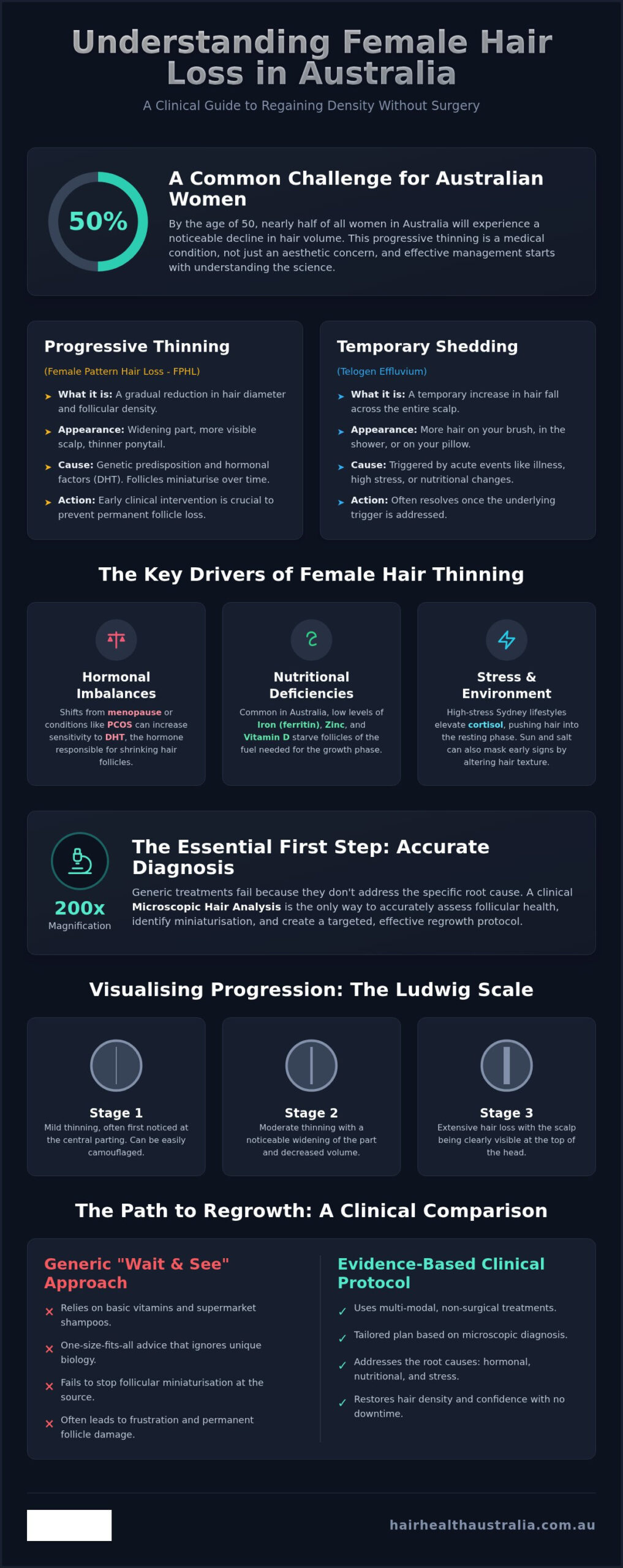
Distinguishing between temporary shedding and progressive thinning is a critical first step. Telogen Effluvium often manifests as sudden, diffuse shedding across the whole head, usually triggered by a physiological shock. In contrast, Female Pattern Hair Loss (FPHL) is a slower progression that typically presents as a widening part or visible thinning at the temples. For a detailed Female pattern hair loss overview, government resources provide a helpful baseline of the condition’s genetic nature. Because these conditions can often overlap, a clinical assessment is the only way to ensure your treatment matches your specific diagnosis.

The Necessity of Microscopic Analysis

Visual inspection with the naked eye is insufficient for an accurate professional diagnosis. By the time hair loss becomes visible to you in the mirror, you may have already lost up to 50 percent of your hair density in that specific area. We utilise digital scalp scanning to identify follicle miniaturisation. This is a process where the hair shaft becomes progressively thinner, shorter, and less pigmented over several growth cycles. This data allows us to predict the potential for regrowth in specific areas and ensures your female scalp treatment for hair growth Australia is based on measurable evidence rather than generalisations.

Female Scalp Treatment for Hair Growth: The Essential Australian Checklist

Comparing Clinical Female Scalp Treatments for Hair Growth

Selecting the right female scalp treatment for hair growth Australia involves understanding the clear distinction between cosmetic products and therapeutic clinical modalities. While retail serums found in department stores may offer temporary hydration to the hair shaft, clinical treatments are designed to alter the biological function of the hair follicle itself. These evidence-based interventions aim to revitalise dormant follicles and extend the Anagen phase of the hair cycle. By focusing on the root of the issue, we move away from temporary fixes toward sustainable, visible improvements in hair density.

Low-Level Laser Therapy (LLLT) is a cornerstone of modern non-surgical restoration. This technology uses specific wavelengths of light to penetrate the scalp tissue and stimulate cellular metabolism within the hair bulb. By increasing adenosine triphosphate (ATP) production, LLLT provides the necessary energy for follicles to produce thicker, healthier hair shafts. It’s a painless, non-invasive method that supports long-term density without the systemic side effects sometimes associated with oral medications. Results are cumulative, meaning consistency is the primary driver of success.

The efficacy of topical applications also varies significantly between over-the-counter options and professional formulations. Clinical-grade topicals often contain specific concentrations of active ingredients, such as the TGA-approved 2% Minoxidil for women, or proprietary delivery systems that ensure the medication reaches the follicle rather than sitting on the skin’s surface. For a deeper look at the medical standards, the RACGP provides an overview of Clinical treatment options for FPHL used by Australian practitioners to manage progressive thinning.

Growth factor therapies, such as Platelet-Rich Plasma (PRP), utilise the body’s own regenerative cells to trigger follicle activity. When combined with targeted nutraceuticals, these treatments address both the external environment and internal nutritional requirements. Supplements aren’t a “fix-all” but serve as a vital support system when diagnostic tests indicate specific deficiencies that hinder the effectiveness of a female scalp treatment for hair growth Australia.

Non-Surgical vs. Surgical Approaches

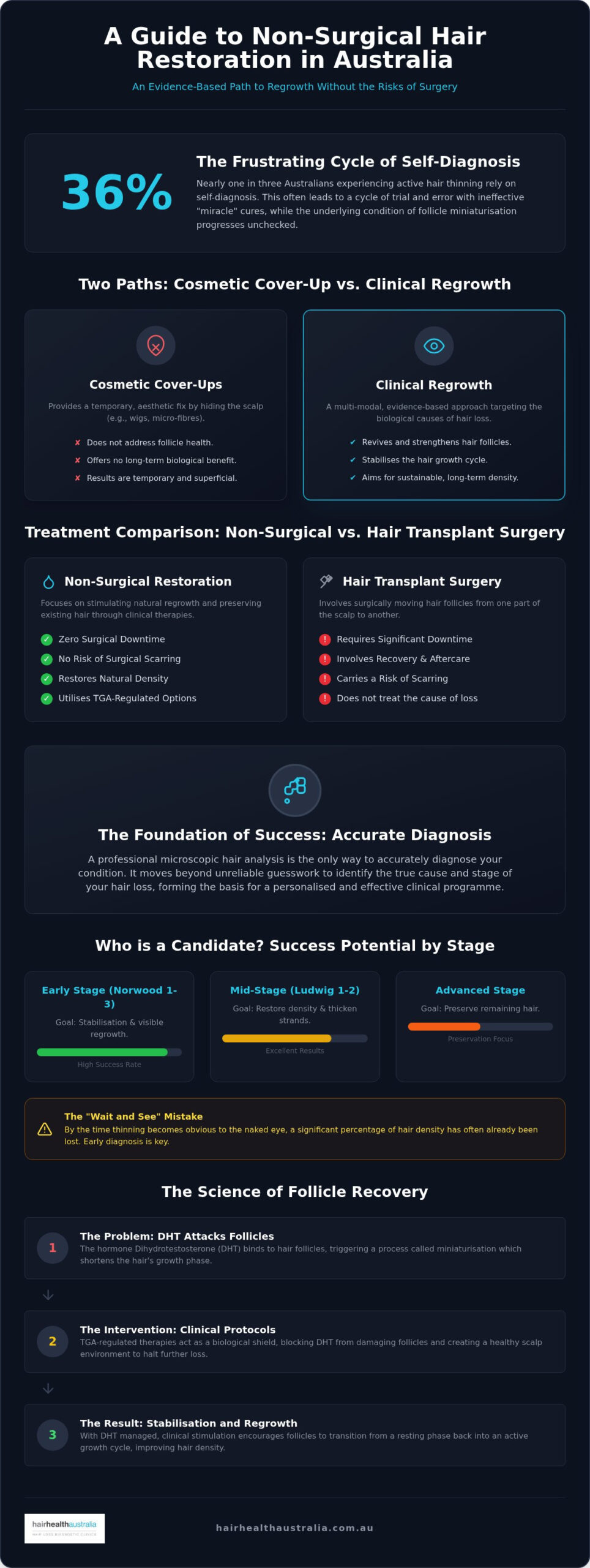
For many women, the thought of a hair transplant is daunting due to the invasive nature of the procedure and the potential for visible scarring. Non-surgical clinical programs are often the preferred first step because they require no downtime and carry minimal risk. These programs focus on preserving existing hair and stimulating regrowth in thinning areas through systematic care. Setting realistic expectations is vital; non-surgical methods aim for a natural, gradual improvement in density that respects the body’s biological timelines.

Customised Treatment Protocols

A “one-size-fits-all” strategy rarely succeeds because the drivers of hair loss are unique to every individual. The most successful outcomes typically result from a multi-modal approach. For instance, combining LLLT with clinical topicals creates a synergistic effect that addresses both cellular energy and hormonal triggers simultaneously. You can read more about clinical hair treatment strategies to understand how a professional guide to non-surgical restoration can be tailored to your specific scalp health needs.

The Scalp Health Maintenance Checklist: Supporting Regrowth at Home

Clinical interventions provide the biological foundation for restoration, but your daily habits determine how well those results are maintained. Think of your home care routine as the essential “aftercare” that protects your investment in a female scalp treatment for hair growth Australia. Without a structured maintenance plan, environmental stressors and poor scalp hygiene can quickly undermine the progress made during in-clinic sessions. Use this checklist to ensure your scalp remains a healthy environment for follicle productivity.

  • Check 1: Use pH-balanced, sulphate-free cleansers. Harsh detergents strip the scalp’s natural acid mantle, leading to irritation and a compromised skin barrier.
  • Check 2: Practice regular scalp massage. Gentle mechanical stimulation for four minutes a day can help encourage blood flow to the follicles, delivering vital nutrients.
  • Check 3: Shield against UV damage. Use specialised scalp SPF or wear a hat when outdoors. As we established earlier, the Australian sun is a primary driver of scalp skin ageing.
  • Check 4: Monitor your intake of iron, zinc, and biotin. These micronutrients are the building blocks of the hair shaft; even a minor deficiency can stall the growth cycle.
  • Check 5: Avoid high-tension hairstyles. Constant pulling from tight ponytails or extensions can cause traction alopecia, which may lead to permanent follicle scarring if left unaddressed.

Consistency is the most important factor in any regrowth journey. If you are ready to move beyond guesswork and start a professional program, you can book your comprehensive hair health check to receive a personalised maintenance plan tailored to your scalp’s specific needs.

Optimising Your Hair Wash Routine

Many women with thinning hair fear washing too often, worried they will see more shedding in the drain. However, infrequent washing allows sebum, sweat, and environmental pollutants to accumulate, which can clog follicles and cause inflammation. For most, washing two to three times a week with a professional-grade cleanser is ideal. Focus your efforts on the skin rather than the hair strands. When applying any prescribed topical female scalp treatment for hair growth Australia, ensure the scalp is clean to allow for maximum absorption into the dermis.

Diet and Lifestyle for Follicle Support

Your follicles are some of the most metabolically active cells in your body, meaning they are often the first to suffer when your diet is lacking. Prioritise high-quality proteins and Omega-3 fatty acids to support the structural integrity of the hair. Additionally, managing biological stress is crucial. High cortisol levels can prematurely push follicles into the Telogen (resting) phase, leading to sudden bouts of shedding. By combining a nutrient-dense diet with a stable clinical routine, you create the internal and external conditions necessary for visible, long-term hair density improvement.

Moving from the research phase to an active clinical program is a significant step toward reclaiming your hair density. When you begin searching for a female scalp treatment for hair growth Australia, it is vital to distinguish between retail-led environments and professional clinics rooted in medical authority. A reputable clinic prioritises a “straight-talking” approach, providing you with a realistic assessment of your scalp’s current condition rather than promising overnight miracles. Transparency is the foundation of trust in this process.

A professional consultation should never feel rushed. It is a methodical discovery phase where a specialist evaluates the biological factors we’ve discussed, such as follicle miniaturisation and scalp inflammation. You should expect a deep dive into your hair loss history and a microscopic analysis that goes far beyond a simple visual check. This level of detail is necessary to determine if your follicles are still capable of producing healthy hair shafts or if they’ve progressed to a dormant state where different interventions may be required.

Managing your expectations regarding the timeline for results is equally important. Unlike cosmetic extensions, a clinical female scalp treatment for hair growth Australia works with your body’s natural growth cycles. Because the Anagen phase takes time to establish, most women won’t see visible improvements in density for at least four to six months. This period allows the follicles to transition from the resting phase back into a productive growth state. Patience and adherence to the prescribed protocol are the primary drivers of success.

Your First Appointment: The Discovery Phase

During your initial visit, your specialist will review your medical history, lifestyle factors, and the specific timeline of your hair thinning. This is the moment to be thorough about any recent changes in health or medication. A central part of this process is the Hair Health Check, which acts as your clinical roadmap. It allows us to establish a baseline through digital imaging, ensuring we can track your progress with objective data. Don’t hesitate to ask direct questions about success rates and what’s required to maintain your results once the initial intensive phase is complete.

Commitment to Long-Term Hair Density

It’s important to view hair health as an ongoing journey rather than a one-time fix. Just as you maintain your physical fitness through regular exercise, your scalp requires consistent support to remain productive. Regular clinical follow-ups and progress scans ensure your treatment remains optimised as your scalp environment changes over time. Taking the first step towards a sustainable plan is simple. You can easily organise your consultation in Sydney to begin your journey with a team dedicated to evidence-based, non-surgical restoration.

Taking the Next Step Toward Lasting Hair Density

Restoring your hair density is a journey that requires moving beyond temporary cosmetic fixes and embracing a clinical, evidence-based approach. We’ve established that a healthy scalp is the essential foundation for growth, and that success relies on a precise diagnosis through specialised microscopic scalp scanning technology. By identifying the root cause of thinning and following a structured maintenance plan, you can shift from a place of uncertainty to one of clear, measurable progress. Choosing the right female scalp treatment for hair growth Australia ensures your care is tailored to the unique environmental factors we face every day.

With over 15 years of experience in Australian hair restoration, our team is dedicated to providing transparent, clinically-backed non-surgical regrowth programs that respect your biological timelines. You don’t have to navigate the confusion of hair thinning alone. Our specialists are here to act as your guides, offering the expertise and modern technology needed to support your follicles effectively. Book your comprehensive Hair Health Check in Sydney today to begin your transition toward a healthier scalp and renewed confidence. We look forward to helping you achieve the visible results you deserve.

Frequently Asked Questions

What is the best scalp treatment for female hair growth in Australia?

The most effective female scalp treatment for hair growth Australia is one tailored to your specific diagnosis, often combining Low-Level Laser Therapy (LLLT) with clinical-grade topical formulations. Rather than relying on a single product, a multi-modal approach addresses both the cellular energy of the follicle and the hormonal drivers of thinning. This ensures that the scalp environment is optimised for producing thicker, healthier hair shafts over several growth cycles.

Can a scalp treatment really regrow hair for women?

Clinical scalp treatments can certainly regrow hair if the follicles are miniaturised but still active. By stimulating cellular metabolism and increasing blood flow to the hair bulb, these treatments encourage follicles to transition from a dormant state back into the Anagen growth phase. If a follicle has completely scarred over, regrowth is no longer possible; this is why early intervention is critical for achieving visible results.

How much do clinical hair loss treatments for ladies cost in Sydney?

The cost of hair loss treatments in Sydney depends entirely on the complexity of your personalised protocol and the duration of your clinical program. Because every woman’s scalp health and thinning pattern are unique, a fixed price is rarely applicable without a professional assessment. Your initial consultation will outline the necessary clinical steps and provide a clear understanding of the investment required for your specific restoration goals.

How long does it take to see results from a female scalp treatment?

You should expect to see visible results from a female scalp treatment for hair growth Australia within four to six months of consistent application. This timeline aligns with the natural biological rhythm of the hair growth cycle. While some women notice a reduction in shedding much sooner, the physical emergence of new, thicker hair strands takes time to become apparent to the naked eye.

Is female pattern hair loss reversible with non-surgical treatments?

Non-surgical treatments are highly effective at improving hair density and slowing the progression of female pattern hair loss, though the condition requires ongoing management. While “reversible” suggests a one-time cure, clinical programs focus on revitalising miniaturised follicles and maintaining those results over the long term. This approach allows women to reclaim significant volume without the need for invasive surgical procedures.

What is the difference between a hair salon treatment and a clinical scalp treatment?

A clinical scalp treatment focuses on the health of the dermis and the function of the hair follicle, whereas a hair salon treatment is primarily cosmetic. Salons use conditioners and silicones to improve the appearance of the hair shaft itself. In contrast, a clinical approach uses therapeutic modalities to treat the underlying biological causes of thinning, ensuring that new hair grows through healthier and stronger.

Does the Australian sun make female hair loss worse?

The intense UV radiation in Australia can exacerbate hair loss by causing photoageing on the scalp skin. Chronic sun exposure degrades the collagen and elastin fibres that provide structural support to the hair follicles. This environmental stress weakens the follicle’s productivity over time, making it essential to protect your scalp with specialised SPF or headwear during the peak summer months to maintain hair density.

Can stress cause permanent scalp hair loss in women?

Stress typically triggers a temporary condition known as Telogen Effluvium, where a large number of follicles enter the resting phase simultaneously. While this type of shedding is usually reversible once the stressor is managed, prolonged or chronic stress can accelerate the progression of underlying genetic thinning. Maintaining a stable clinical routine helps protect your follicles from the physiological impacts of high cortisol levels during difficult periods.

Clinical Hair Treatment: A Professional Guide to Non-Surgical Restoration

Why are you treating visible scalp thinning as a retail problem when it’s actually a complex biological concern? Most Australians spend years cycling through expensive supermarket serums and celebrity-endorsed oils, only to find that their hair density continues to decline. It’s an exhausting and often demoralising process that leaves many feeling socially anxious and skeptical of any promised solution. You likely understand the frustration of seeing more hair in the brush than on your head, despite following every ‘miracle’ trend you find online. Genuine hair restoration treatment requires a shift from superficial products to evidence-based clinical protocols that target the follicle itself.

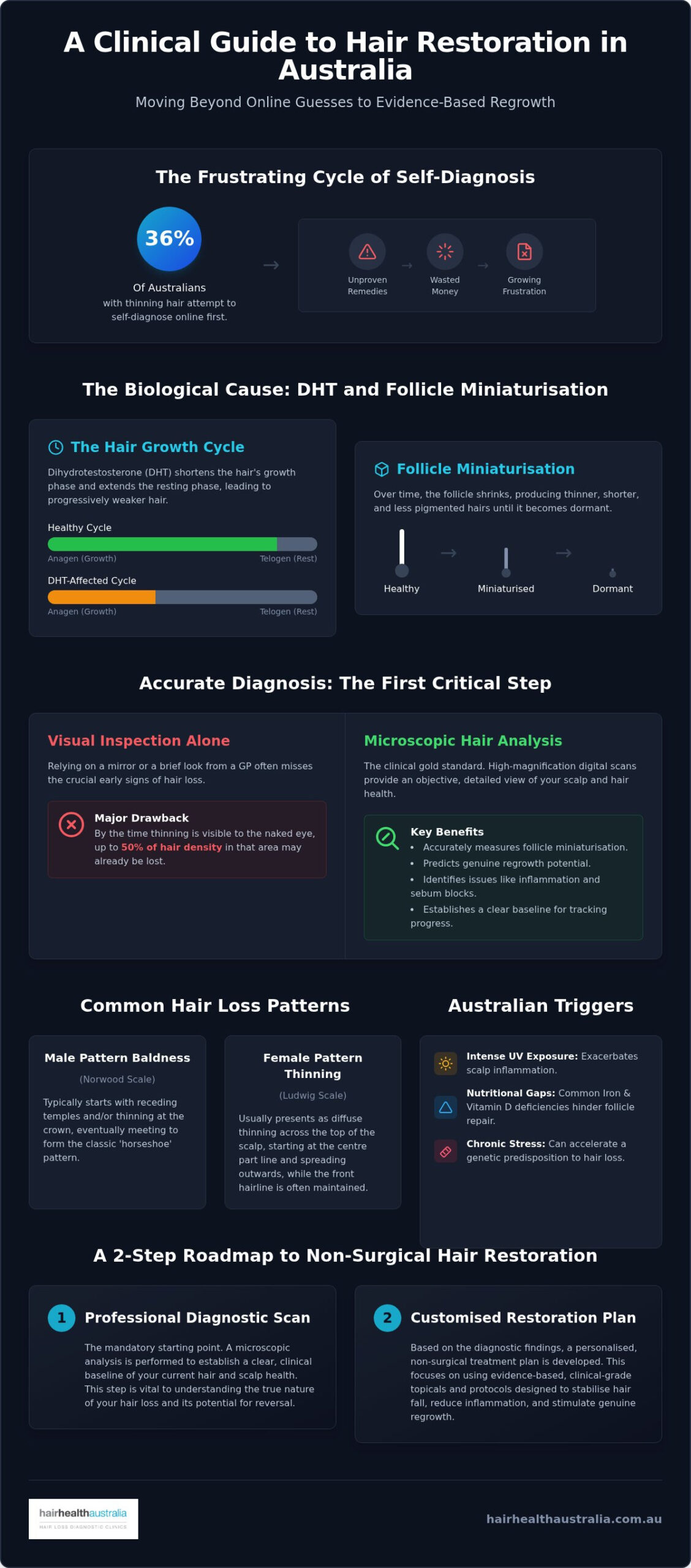
The most common cause of this disruption is Androgenetic Alopecia, which triggers a process known as follicular miniaturisation. During this process, the hair follicle physically shrinks. With each subsequent cycle, the hair produced is finer, shorter, and less pigmented. Eventually, the follicle may reach a ‘point of no return’ where it becomes dormant and is replaced by scar tissue. Once fibrosis occurs, the follicle is no longer capable of producing a hair shaft. A professional hair restoration treatment focuses on intervening before this stage, using evidence-based protocols to prolong the Anagen phase and revitalise follicles that are still viable. Alongside these biological interventions, many individuals also seek aesthetic ways to manage changes in hair colour; for instance, you can learn more about Grey blending to see how professional techniques from specialists like White Ivy Hair Studio can complement your restoration journey.

This guide provides a professional overview of the science-backed, non-surgical pathways available to you in 2026. We’ll explore how combination therapies, which are now recognised as the gold standard for achieving up to 50% better outcomes than single-treatment approaches, can restore your hair density. You’ll gain a clear understanding of the difference between temporary cosmetic fixes and a structured, manageable programme designed for long-term follicle health and visible regrowth. By replacing uncertainty with medical clarity, you can begin a journey toward thicker hair grounded in proven results rather than marketing hype.

Clinical Hair Treatment: A Professional Guide to Non-Surgical Restoration

Key Takeaways

  • Differentiate between superficial cosmetic products and clinical protocols that target hair health at a biological level.
  • Understand the science of follicular miniaturisation and the specific growth phases required for successful regrowth.
  • Evaluate non-surgical hair restoration treatment options such as Platelet-Rich Plasma (PRP) and their role in modern bio-restoration.
  • Learn why a diagnostic consultation using digital microscopic scanning is vital for creating a personalised, data-driven treatment programme.
  • Discover how clinical expertise and empathetic care combine to provide a clear, manageable path toward restoring your hair density.

##Table of Contents

##Defining Modern Hair Treatment: Clinical vs. Cosmetic Approaches

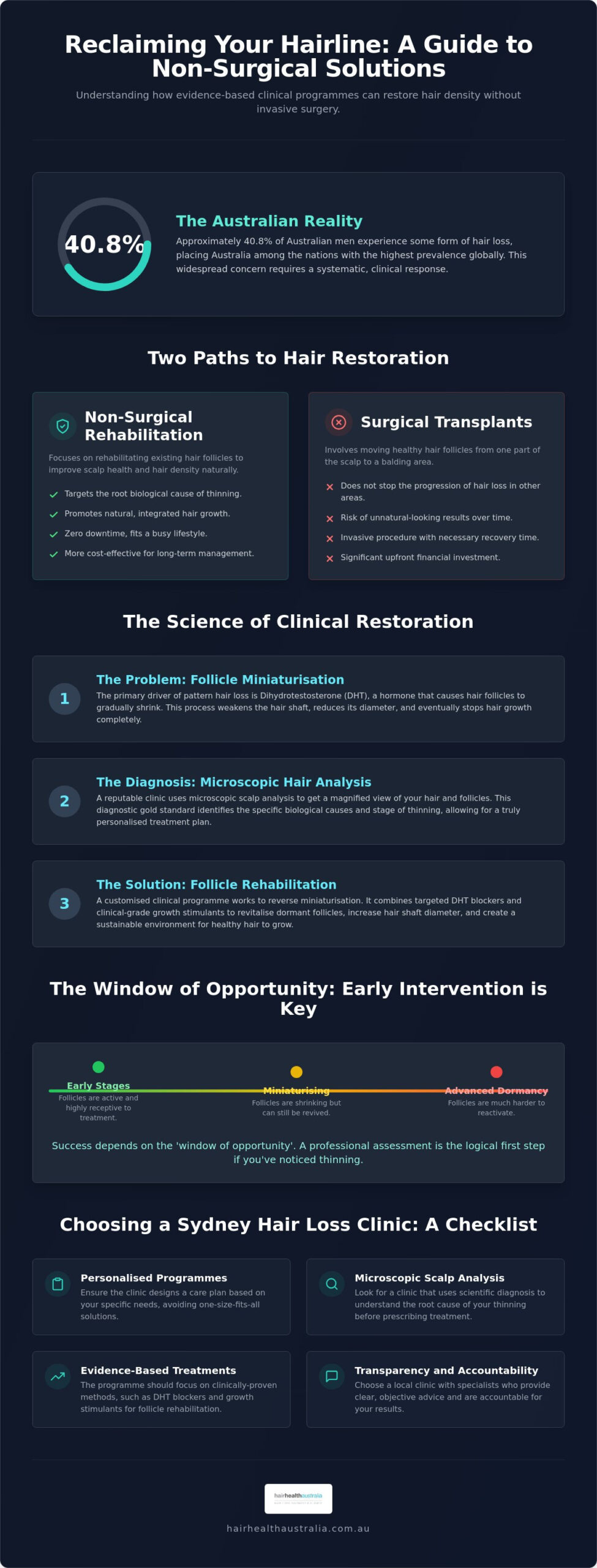
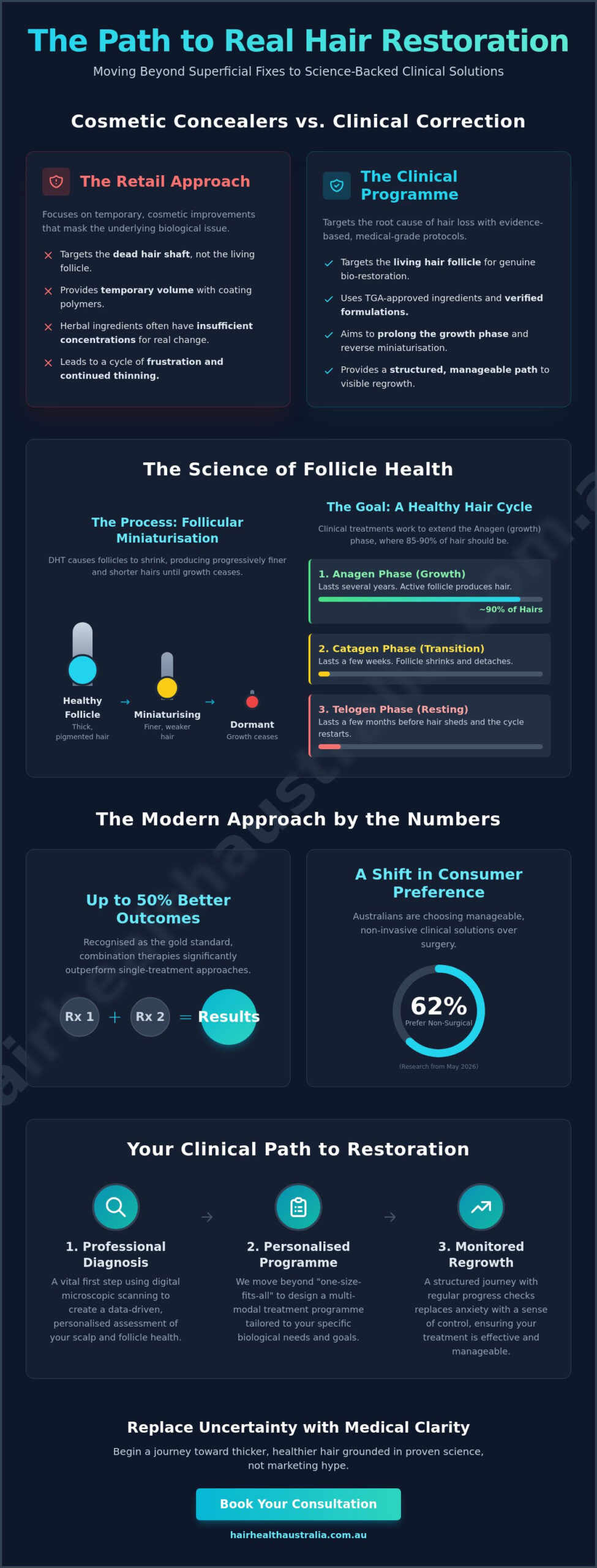
In the Australian market, the term ‘hair treatment’ is frequently used by both retail brands and medical clinics; however, the biological reality of these two paths is vastly different. Most supermarket products focus on the hair shaft, which is essentially dead tissue. They aim to mask thinning through aesthetic tricks. In contrast, a clinical approach focuses on the living follicle beneath the scalp surface. For those experiencing Pattern hair loss, success depends on medical-grade protocols rather than cosmetic camouflage. Clinical hair treatment is a multi-modal approach to revitalising dormant follicles.

In Australia, the distinction between these approaches is often defined by the use of TGA-approved ingredients. While a retail product might look appealing on a shelf, it lacks the evidence-based methodologies required for genuine biological restoration. A professional hair restoration treatment programme prioritises accuracy and systematic care. It moves beyond the ‘one-size-fits-all’ retail model to provide a customised strategy based on your specific diagnostic needs. This ensures that every action taken is grounded in science rather than marketing hype.

The Limitations of Over-the-Counter Solutions

Retail ‘thickening’ shampoos generally achieve their results by coating the hair with polymers or proteins. This provides temporary volume by increasing the diameter of the individual strands, but it does nothing to address the health of the follicle itself. While some herbal alternatives claim to act as DHT blockers, they often lack the concentration required to halt the miniaturisation process. Retail concentrations are typically kept low to ensure safety for the general public; however, these levels are often insufficient for those seeking significant regrowth. True medical treatments rely on potent, verified formulations that target the hormonal and biological triggers of hair loss.

The Shift Toward Non-Surgical Restoration

An increasing number of Australians are opting for clinical non-surgical paths to manage their hair health. Research from May 2026 indicates that about 62% of consumers now prefer non-invasive topical and clinical solutions over more aggressive options. This shift is largely driven by the desire to avoid surgical downtime and the high costs associated with invasive procedures. There is also a distinct psychological benefit to a structured, monitored clinical programme. Following a clear path with regular progress checks replaces the anxiety of the unknown with a sense of control. Modern technology has effectively closed the gap between medication and surgery, offering a reliable middle ground for those committed to a long-term hair restoration treatment plan.

##The Science of Regrowth: Understanding Follicle Biology

Understanding the biological mechanics of your scalp is the first step toward effective intervention. Each hair on your head is produced by a follicle, a complex mini-organ that operates on a specific rhythm. The hair growth cycle consists of three primary phases: Anagen (active growth), Catagen (transition), and Telogen (resting). In a healthy scalp, approximately 85% to 90% of hairs are in the Anagen phase at any given time. This phase can last several years, determining the maximum length and thickness of your hair. However, when this cycle is disrupted, the growth phase shortens, leading to visible thinning and loss of density.

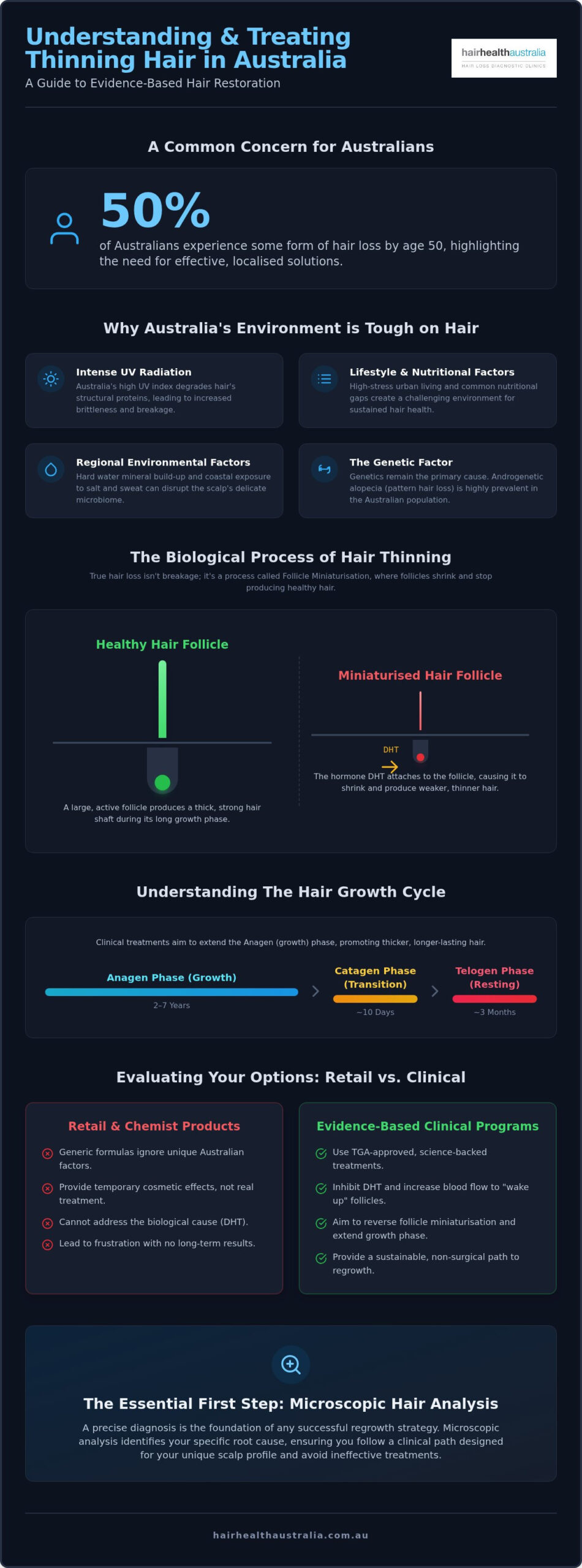
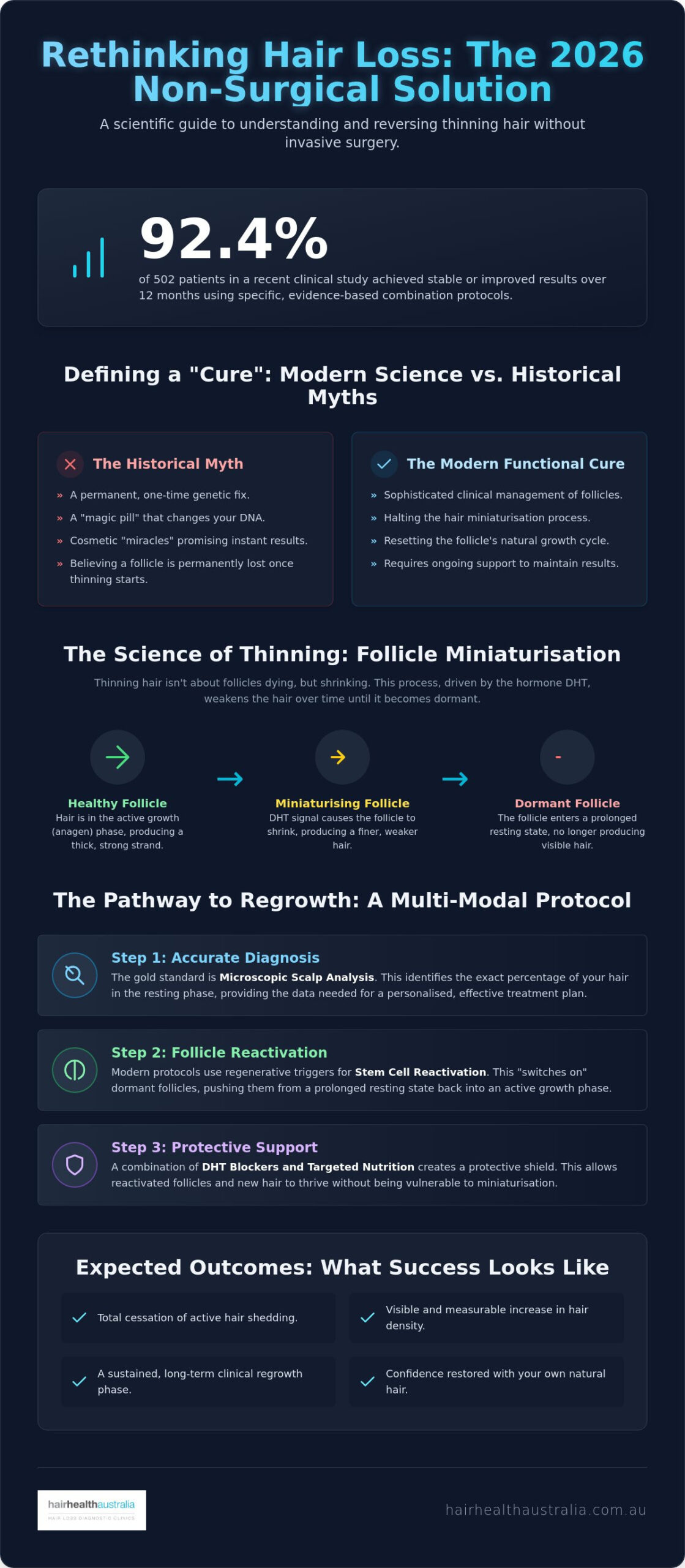
The most common cause of this disruption is Androgenetic Alopecia, which triggers a process known as follicular miniaturisation. During this process, the hair follicle physically shrinks. With each subsequent cycle, the hair produced is finer, shorter, and less pigmented. Eventually, the follicle may reach a ‘point of no return’ where it becomes dormant and is replaced by scar tissue. Once fibrosis occurs, the follicle is no longer capable of producing a hair shaft. A professional hair restoration treatment focuses on intervening before this stage, using evidence-based protocols to prolong the Anagen phase and revitalise follicles that are still viable.

The Role of DHT in Pattern Thinning

Dihydrotestosterone (DHT) is the primary catalyst for both male and female pattern hair loss. This hormone binds to receptors in genetically susceptible follicles, essentially starving them of the nutrients required for healthy growth. Clinical treatments are designed to neutralise DHT at the scalp level to protect these vulnerable follicles. While some systemic approaches exist, many Australians now prefer topical DHT management. This targeted method focuses the active ingredients exactly where they are needed, reducing the risk of the broader physiological impacts often associated with systemic medications.

Nutritional and Environmental Factors in Sydney

Living in Sydney introduces specific environmental stressors that can impact your hair health. The harsh Australian sun and high UV levels can cause oxidative stress and chronic inflammation on the scalp, which may accelerate the thinning process. Furthermore, we frequently see a link between local lifestyle factors and nutritional deficiencies. Low levels of iron or Vitamin D can trigger Telogen Effluvium, a condition that causes excessive shedding. Because these factors are specific to our climate and lifestyle, a ‘one-size-fits-all’ global product often fails to deliver results. Addressing these unique local variables is a core component of a comprehensive hair health strategy designed for the Australian environment. By combining environmental protection with biological support, a hair restoration treatment can more effectively stabilise shedding and encourage healthy regrowth.

##Comparing Clinical Hair Restoration Treatments

Australians seeking a hair restoration treatment often feel caught between ineffective retail products and the high commitment of surgery. However, the clinical middle ground has expanded significantly. In Sydney, the focus has shifted toward non-surgical interventions that leverage the body’s own regenerative capabilities. This involves a multi-modal strategy where different treatments address various aspects of the hair growth cycle simultaneously. While surgery is often positioned as a final resort, non-surgical clinical programmes offer a high cost-to-benefit ratio for those in the early-to-mid stages of thinning. By combining bio-stimulation with metabolic support, it’s possible to stabilise shedding and improve density without the downtime associated with invasive procedures.

Topical and Oral Medical Protocols

The evolution of medical-grade treatments has moved far beyond basic off-the-shelf solutions. While generic minoxidil or finasteride are common, custom-compounded protocols often provide superior results for individual needs. These bespoke formulas allow for the adjustment of concentrations and the combination of active ingredients into a single application. Recent advances in hair loss drug development have highlighted how targeted delivery systems can maximise follicular uptake while reducing systemic absorption. This level of clinical supervision ensures that your hair restoration treatment is both safe and effective. Practitioners can adjust dosages based on your specific response, providing a level of care that retail purchases simply cannot match.

Low-Level Laser Therapy (LLLT) further supports these efforts by using specific wavelengths of light to boost cellular metabolism within the scalp. When used alongside PRP and medical protocols, LLLT acts as a metabolic catalyst. This synergy is essential. Research indicates that combination therapies can lead to up to 50% better outcomes than single-treatment approaches. By attacking the problem from multiple biological angles, you create the most robust environment possible for sustained hair health. It is a systematic process. This layered approach ensures that every factor contributing to hair thinning is addressed through a proven, scientific methodology.

##The Diagnostic Journey: Why Professional Analysis Matters

Effective intervention begins long before the first clinical session or application of a topical formula. A professional hair loss consultation is a methodical process of data collection designed to uncover the specific biological triggers behind your thinning. Unlike a general physical exam, which often relies on a simple visual inspection, a specialised diagnostic session uses high-precision technology to assess scalp health at a microscopic level. This stage is crucial for establishing a baseline and ensuring that the chosen path is appropriate for your specific condition. Without this initial clarity, many individuals fall into a cycle of ‘treatment fatigue’, wasting time and resources on products that don’t address their underlying follicular needs.

Microscopic Scanning vs. Visual Inspection

The naked eye is incapable of detecting the earliest signs of follicular miniaturisation. By the time thinning becomes visible to you in a mirror, you may have already lost a significant percentage of your original hair density. Digital microscopic scanning allows us to count active follicles per square centimetre with absolute precision. This high-magnification imagery also identifies subtle indicators of scalp health, such as localised inflammation or clogged pores, which can hinder the effectiveness of any hair restoration treatment. By using this data-driven approach, we can move away from retail guesswork and develop a truly personalised programme that targets your follicles’ current state.

Setting Realistic Expectations

Transparency is the cornerstone of a trusted clinical relationship. It’s vital to distinguish between ‘dormant’ follicles, which retain the potential for revitalisation, and ‘dead’ follicles that have been replaced by scar tissue. A professional analysis provides this essential distinction, ensuring you don’t invest in areas where regrowth is biologically impossible. You must also understand the ‘stabilisation phase’. Before visible regrowth can occur, the current rate of excessive shedding must be halted. This process typically requires three to six months of consistent effort. We use ‘scalp mapping’ to track these microscopic changes over a 6-to-12 month period, providing you with objective evidence of progress.

Scalp mapping involves documenting specific zones of the scalp to monitor follicular density and hair shaft diameter over time. This longitudinal data is essential for managing your hair restoration treatment effectively. It allows both the practitioner and the patient to see the transition from fine, miniaturised hairs to thicker, more robust terminal hairs. When you can see the numerical evidence of improvement, the journey becomes far more manageable. If you are ready to move beyond retail guesswork and gain a clear understanding of your scalp health, you can book a professional diagnostic assessment to begin your data-driven journey toward restoration.

##Personalised Care at Hair Health Australia: Your Path to Restoration

At Hair Health Australia, we understand that hair loss is a deeply personal experience that requires more than just a medical prescription. Our philosophy centres on a balance between clinical excellence and empathetic care. We’ve designed our Sydney clinic to be a space where science-based results are delivered with a calm, objective demeanour. Every hair restoration treatment we develop is rooted in transparency. We don’t believe in hyperbolic marketing or unrealistic promises. Instead, we focus on providing realistic expectations based on your unique biological data and specific lifestyle factors.

Trust is built through honesty. Our "straight-talking" approach means we only recommend protocols that have a high probability of success for your specific hair profile. If your follicles have reached a stage where non-surgical intervention is unlikely to be effective, we’ll tell you. This commitment to integrity ensures you don’t waste time or emotional energy on ineffective paths. We view ourselves as your dedicated guide, providing the systematic care and verified information you need to make confident decisions about your hair health. Our goal is to replace uncertainty with clarity.

Our Multi-Modal Treatment Programmes

Our methodology is inherently multi-modal. By combining advanced diagnostics with medical-grade topical applications and clinical therapies, we create a synergistic effect that maximises hair density. As a boutique Sydney clinic, we offer a level of individual-centric care that high-volume franchises often struggle to match. You aren’t just another number in a system. You receive ongoing support and regular monitoring from specialists who understand your history and progress. We remain committed to the latest technology, ensuring our patients benefit from modern, innovative standards in follicle health. This layered approach ensures that every factor contributing to thinning is addressed through a proven, scientific hair restoration treatment methodology.

Take the First Step: Your Clinical Consultation

Your journey begins at our Sydney centre with a comprehensive diagnostic session. During this visit, we’ll use the microscopic scanning techniques mentioned earlier to map your scalp and identify viable follicles. It’s a methodical process that removes the guesswork from your care. Acting early is the most effective strategy for long-term success. Preserving existing follicles is always more straightforward than attempting to regrow those that have been dormant for years. By starting a structured programme now, you can stabilise current shedding and begin the process of restoring your natural density. You can book your microscopic hair analysis at Hair Health Australia to receive a clear, actionable path forward and regain confidence in your hair’s future.

##Secure Your Hair Health with a Clinical Strategy

Choosing a professional path means moving beyond the temporary fixes found on retail shelves and committing to a biological solution. You’ve learned that effective restoration depends on treating the follicle rather than just coating the hair shaft. By prioritising a doctor-led diagnostic approach, you can identify exactly which treatments will work for your unique scalp profile; this eliminates the frustration of wasting time on ineffective products. A structured hair restoration treatment programme provides the scientific clarity required to replace uncertainty with confidence.

With over 15 years of clinical experience in Australia, we specialise in non-surgical regrowth protocols that are tailored to your specific needs. We use advanced microscopic scanning to ensure every step of your journey is backed by objective data. If you’re ready to stop the cycle of thinning and begin a proven restoration process, our team is here to guide you with transparency and expertise.

Book Your Comprehensive Hair & Scalp Analysis in Sydney

Taking action today is the most effective way to preserve your hair density and ensure long-term follicle health. We look forward to helping you achieve a thicker, more robust result through systematic, professional care.

##Frequently Asked Questions

How long does it take to see results from a clinical hair restoration treatment?

Visible results typically require a minimum of three to six months of consistent application. This timeline is dictated by the biological hair growth cycle, as follicles must transition from the resting phase back into the active growth phase. While you might notice a reduction in shedding within the first 90 days, significant improvements in hair density and shaft thickness generally take nine to 12 months to become fully apparent.

Is hair restoration treatment permanent, or do I need to continue it forever?

Non-surgical treatments are not a one-time permanent fix; they require ongoing maintenance to sustain the results. Because androgenetic alopecia is a progressive condition, the biological benefits of the treatment often cease if the programme is stopped. Most patients transition to a simplified maintenance phase once they reach their desired density to ensure their follicles remain protected from further miniaturisation.

What is the difference between a hair transplant and non-surgical hair treatment?

A hair transplant is a surgical procedure that involves moving grafts from a donor area to a thinning site, while non-surgical treatment focuses on revitalising your existing follicles. Surgery provides a solution for areas where follicles are completely dead, but non-surgical protocols are essential for preserving the surrounding natural hair. Many Australians choose the non-surgical path first to avoid the downtime and invasive nature of a transplant.

Can women undergo the same hair loss treatments as men?

Women can certainly undergo clinical hair loss treatments, though the protocols are often modified to address female-specific hormonal profiles. While some active ingredients are shared, concentrations and delivery methods vary. For instance, female pattern thinning often presents as a diffuse loss of density rather than a receding hairline, necessitating a more targeted diagnostic approach to ensure the correct biological triggers are addressed.

Are there any side effects to the medications used in hair restoration?

Some patients may experience side effects, though they are typically manageable under clinical supervision. Common reactions to topical solutions might include minor scalp irritation or dryness. Systemic medications like finasteride carry specific warnings, including a mental health warning issued by the FDA in October 2025. A professional consultation ensures your dosage is adjusted to minimise risks while maximising follicular health.

How much does a typical hair restoration treatment programme cost in Sydney?

The cost of a clinical programme in Sydney varies depending on the specific modalities used. Based on verified 2026 industry data, Platelet-Rich Plasma (PRP) therapy generally ranges between A$400 and A$750 per session. Medical-grade topical solutions often cost between A$25 and A$70 per month. A comprehensive programme is usually structured around your specific diagnostic needs rather than a flat retail price.

Can hair treatment work if I am already completely bald in certain areas?

Clinical treatments are most effective on areas where follicles are still viable or dormant rather than completely scarred over. If an area of the scalp is entirely smooth and has been bald for many years, the follicles may have reached the ‘point of no return’. Microscopic scanning during your consultation will determine if there are enough active follicles remaining to achieve a visible increase in density.

Do I need a GP referral to visit a hair loss clinic in Australia?

You don’t need a GP referral to visit a specialised hair loss clinic in Australia. Most centres operate as direct-access clinical facilities where you can book a diagnostic assessment directly. This allows for a more efficient path to treatment, though we always encourage patients to discuss their hair health with their primary healthcare provider if they have underlying medical concerns or are taking other medications.

Clinical Hair Loss and Baldness Treatment: The 2026 Australian Guide

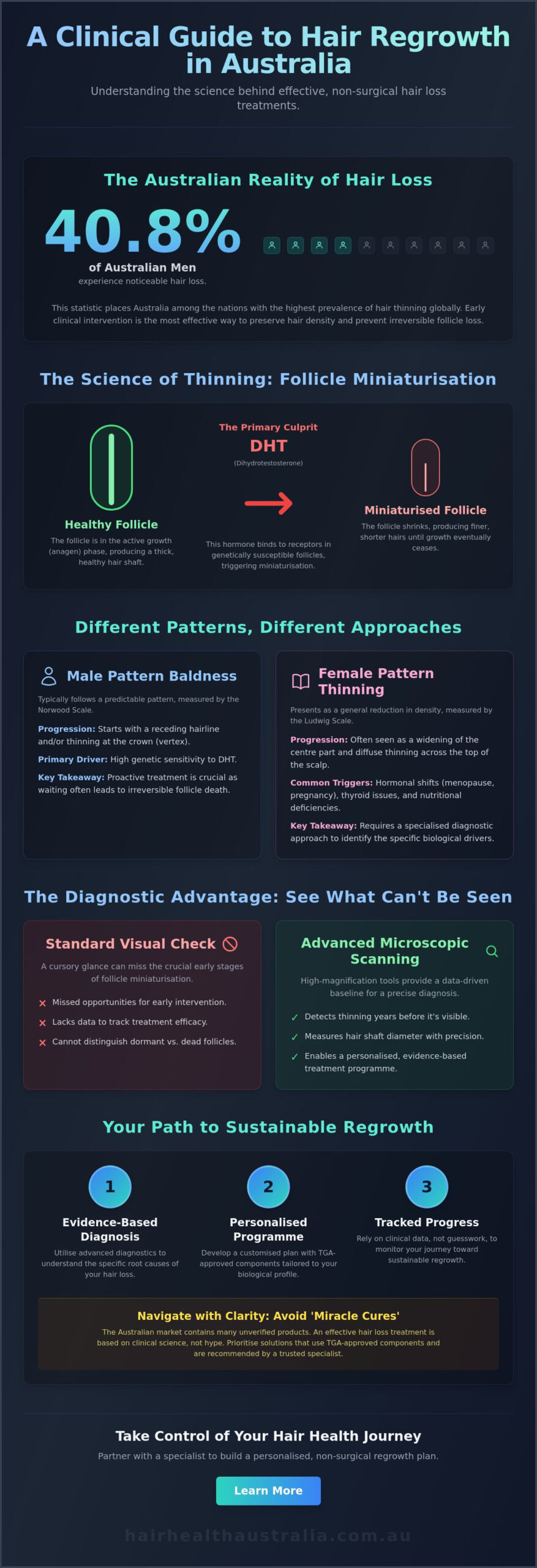
Approximately 40.8% of Australian men experience some degree of baldness, a statistic that places Australia among the highest prevalence rates in the world. For many, this realisation leads to a confusing search for a reliable hair loss baldness treatment, often resulting in more questions than answers. It’s completely natural to feel overwhelmed by conflicting online advice or to fear that invasive surgery is your only path forward. We believe that your journey toward regrowth should be grounded in science and transparency, not uncertainty or hype.

This 2026 guide is designed to replace that confusion with clinical clarity. You’ll discover the biological science behind hair regrowth and learn how to identify the most effective non-surgical treatments currently available across Australia. We’ll walk you through the process of understanding the specific root causes of your thinning hair, providing you with a clear, evidence-based roadmap to restoration. By the end of this article, you’ll have the knowledge required to partner with a trusted specialist and choose a customised treatment plan that prioritises both results and your peace of mind.

Key Takeaways

  • Learn how biological triggers like DHT lead to follicle miniaturisation and why early clinical intervention is the most effective way to preserve hair density.
  • Discover how to navigate the Australian market to find a hair loss baldness treatment that utilises TGA-approved components rather than unverified “miracle cure” alternatives.
  • Understand the diagnostic process used by specialists to identify the specific causes of thinning, ensuring your treatment is tailored to your unique biological profile.
  • Explore the advantages of a non-surgical, clinical approach that integrates advanced technology and evidence-based topicals to support sustainable hair regrowth.

Understanding Hair Loss vs. Baldness: More Than Just Aesthetics

Australia currently ranks among the nations with the highest prevalence of hair thinning globally. Data suggests that approximately 40.8% of Australian men experience noticeable hair loss, a figure that highlights how common this experience is within our community. Despite its frequency, the emotional impact is often profound, leading to a significant loss of self-confidence. Many people struggle with conflicting advice found online, which only adds to the uncertainty. Understanding the difference between temporary shedding and permanent loss is the first step toward finding an effective hair loss baldness treatment.

Most permanent thinning is caused by androgenetic alopecia. This condition involves the gradual miniaturisation of hair follicles due to genetic and hormonal factors. Unlike Telogen Effluvium, which is a temporary reaction to stress, nutritional deficiencies, or medication, pattern thinning will not resolve on its own. Hair loss is a progressive biological condition requiring systematic management. Early clinical intervention is vital because once a follicle has completely ceased activity, non-surgical restoration becomes significantly more difficult.

Male Pattern Baldness: The Genetic Timeline

For men, the progression of thinning usually follows a predictable pattern tracked by the Norwood Scale. This clinical tool helps specialists identify stages ranging from a slightly receding hairline to extensive loss across the vertex or crown. Family history is a powerful predictor here, as genetics dictate how sensitive your follicles are to hormonal changes. Many men choose to “wait and see” if their hair will stabilise; however, this delay often allows for irreversible follicle death. Understanding your specific men hair loss pattern early allows for a more proactive and successful clinical path forward.

Female Hair Thinning: A Different Clinical Challenge

Women experience hair loss differently, typically seeing a general reduction in density rather than a sharply receding hairline. This is measured using the Ludwig Scale, which focuses on the widening of the part line and thinning across the top of the scalp. Hormonal shifts during menopause, pregnancy, or issues with thyroid health are common triggers that require a specialised diagnostic approach. The emotional toll on women is often intensified by societal expectations, making a compassionate and evidence-based hair loss baldness treatment essential. Acknowledging these unique biological drivers ensures that the management plan is both accurate and supportive.

The Science of Thinning: Follicles, DHT, and Clinical Diagnostics

Your hair follicles operate on a continuous biological clock; they alternate between phases of active growth (anagen) and rest (telogen). In a healthy scalp, the vast majority of follicles are growing at any given time. However, for those seeking a hair loss baldness treatment, this ratio often shifts. The primary culprit is Dihydrotestosterone (DHT), a hormone that binds to receptors in the scalp. This binding causes miniaturisation, a process where the follicle shrinks and produces increasingly finer, shorter hairs until the growth phase ceases entirely. Many people assume thinning is just a part of ageing, but it’s actually a specific hormonal interaction that can be managed with the right clinical approach.

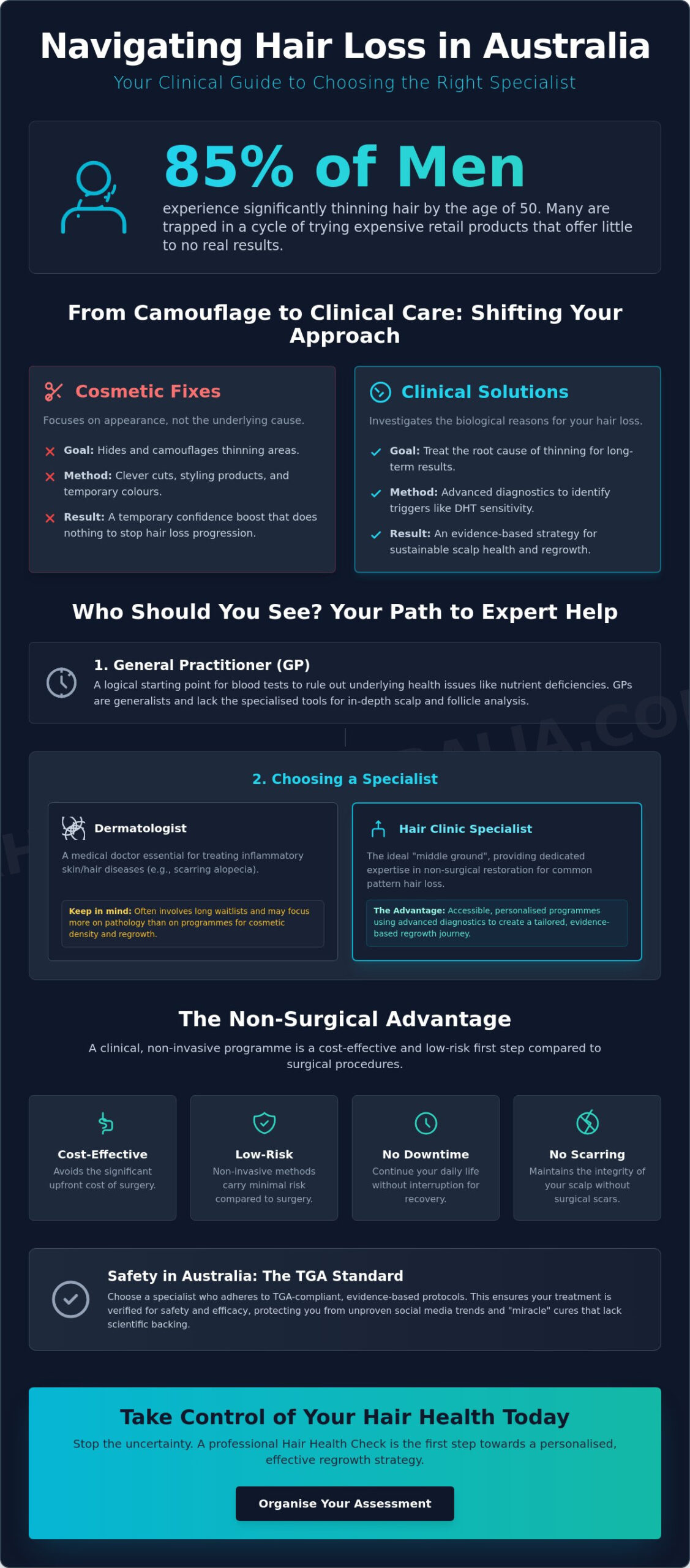
Relying on a standard visual inspection during a GP visit often results in missed opportunities for early intervention. While a general practitioner provides excellent broad care, they may lack the high-powered tools needed to see changes occurring beneath the surface. Comprehensive Hair loss diagnosis and treatment protocols require more than a cursory glance; they demand a systematic evaluation of the scalp environment. With the TGA increasing scrutiny on therapeutic goods in 2026, it’s more important than ever to rely on verified clinical standards. Healthy regrowth is impossible if the scalp is inflamed or if the follicles are deprived of the necessary biological support.

Microscopic Scanning: Why Your Diagnosis Might Be Wrong

Advanced high-magnification scanning allows us to see what the naked eye cannot. We can distinguish between follicles that are simply dormant and those that have reached a stage of permanent fibrosis. By measuring hair shaft diameter at a microscopic level, we detect thinning years before it becomes visible in the mirror. This data-driven approach creates a precise baseline, allowing us to track the efficacy of your specialised programme with clinical accuracy and objective proof. It removes the guesswork and ensures we aren’t treating temporary shedding as permanent pattern loss.

Identifying Nutritional and Lifestyle Triggers

Biology is rarely isolated to a single factor. In Australia, deficiencies in iron, zinc, and Vitamin D are surprisingly common and can significantly disrupt the hair cycle. Chronic stress also plays a role, as elevated cortisol levels can prematurely push follicles into the resting phase. A correctly identified hair loss baldness treatment must account for these internal triggers to be truly effective. Choosing a professional clinical assessment ensures these lifestyle factors are addressed alongside topical therapies. A holistic view is far superior to over-the-counter vitamins, as it targets the specific deficiencies impacting your unique growth cycle.

Clinical Hair Loss and Baldness Treatment: The 2026 Australian Guide

Evaluating Hair Loss Treatment Options: Meds, PRP, and Non-Surgical Paths

Once a precise diagnosis is established, the focus shifts to selecting a hair loss baldness treatment that aligns with your specific biological needs. While pharmacy shelves are lined with generic options, clinical-grade programmes offer a higher level of potency and oversight. TGA-approved medications play a foundational role in stabilising hair loss by inhibiting the hormonal triggers discussed previously. These treatments are most effective when they’re part of a managed strategy rather than a solo effort. It’s essential to understand that no single treatment works for everyone, necessitating a bespoke approach that addresses your unique rate of thinning and scalp health.

Many Australians are increasingly moving away from invasive options like hair transplant surgery in favour of non-surgical paths. Surgery involves significant downtime, potential scarring, and a high entry cost, whereas clinical therapies focus on revitalising your existing follicles. This shift is supported by a dermatologist-led diagnosis, which ensures that the chosen therapy targets the underlying cause rather than just the symptoms. By prioritising non-invasive methods, we can often achieve significant density improvements without the risks associated with surgical procedures.

PRP and Growth Factor Therapies

Platelet-Rich Plasma (PRP) has become a cornerstone of modern hair restoration. This process involves using the concentrated growth factors from your own blood to stimulate dormant follicles and encourage them back into the anagen, or growth, phase. During a clinical session, the scalp is treated with these refined platelets to trigger cellular repair and increase blood flow to the hair bulb. Most clients find the process straightforward and manageable, with sessions typically lasting less than an hour. The ideal candidate is someone experiencing early-to-mid-stage thinning where follicles are still active but underperforming.

Low-Level Laser Therapy (LLLT) and Scalp Health

Low-Level Laser Therapy utilise specific wavelengths of light to increase cellular metabolism within the hair follicles. This light energy stimulates the mitochondria in the hair bulb, providing the “fuel” needed for more robust hair production. LLLT is rarely used in isolation; instead, it acts as a powerful catalyst when combined with topical clinical treatments. This synergy ensures that the active ingredients in your topical programme are better absorbed and utilised by the scalp. Long-term density retention depends on consistent maintenance protocols, ensuring the scalp environment remains primed for healthy, sustained growth.

The Australian market for hair restoration is currently saturated with bold claims and “miracle” products. Distinguishing between genuine clinical evidence and “snake oil” marketing is essential for anyone seeking a legitimate hair loss baldness treatment. Since January 2026, the Therapeutic Goods Administration (TGA) has placed a priority focus on the advertising and promotion of therapeutic goods used in cosmetic procedures. This increased scrutiny means clinics must be more transparent, yet consumers still need to remain vigilant. Legitimate clinical claims are always backed by verified data and realistic timelines. Biological regrowth is a slow process; any promise of “overnight results” is a biological impossibility and a clear red flag.

While supermarket shelves and social media ads often offer cheap, generic solutions, these frequently lead to wasted expenditure and frustration. Investing in a clinical-grade programme provides superior long-term value because it addresses the specific cause of your loss rather than applying a blanket solution. It’s the difference between simply buying a retail product and investing in a professionally managed outcome. Accuracy in the early stages of treatment prevents the financial and emotional cost of failed attempts later on.

The Problem with Generic Online Prescriptions

The rise of telehealth has made access to medication easier, but it has also led to a decline in physical diagnostic standards. Receiving a prescription without a thorough, high-magnification scalp analysis is a significant missed opportunity. You run the risk of treating the wrong condition or missing underlying scalp health issues that topical medications alone cannot fix. Ordering unverified medications from overseas carries even greater risks, including inconsistent dosing or contaminated ingredients. Having a local Sydney specialist to monitor your progress ensures that your treatment remains safe, effective, and responsive to your scalp’s changing needs.

Questions to Ask Your Hair Loss Specialist

Empowerment comes through asking the right questions during your consultation. A reputable specialist will be transparent about their methods and the limitations of modern technology. Consider asking these specific questions during your next appointment:

  • What specific diagnostic tools do you use to track my follicular progress over time?
  • Based on my current Norwood or Ludwig stage, what are the realistic outcomes I can expect to see?
  • Do you offer a non-surgical regrowth treatment for hair that is tailored to my biological baseline?

Choosing a partner in your hair health journey requires trust and clinical verification. If you are ready to move beyond generic products and start a managed programme, book a clinical assessment with our team today.

The Clinical Advantage: Personalised Regrowth Programs in Sydney

Finding a hair loss baldness treatment that actually yields results requires a move away from the “off-the-shelf” mentality. At Hair Health Australia, we bridge the clinical gap between general medicine and specialised trichology. Our 2026 approach doesn’t just hand you a generic product; it integrates advanced technology, targeted nutrition, and clinical topicals based on your specific biological needs. This level of customisation is simply not possible with a one-size-fits-all pharmacy solution, which lacks the diagnostic depth required to understand why your hair is thinning in the first place.

For Sydney residents, the benefit of an in-person consultation is significant. We use high-resolution imaging to create a detailed baseline of your scalp health. This physical assessment allows us to see exactly how your follicles are responding to treatment, something a telehealth prescription cannot replicate. By having a local specialist monitor your progress, we can adjust your programme in real-time to ensure you’re always on the most effective path toward density restoration.

What Happens During Your First Consultation?

Your journey begins with a structured 3-step process designed to provide absolute clarity. First, we review your medical history and lifestyle factors to identify potential triggers. Next, we conduct a microscopic analysis to build your unique “follicle map”. This map reveals which areas have the highest regrowth potential and which require more intensive support. Finally, you receive a treatment roadmap with no-nonsense advice. We tell you exactly what is achievable for your specific stage of loss, ensuring you don’t waste time or resources on therapies that won’t work for you.

Commitment to Long-Term Hair Health

Maintaining hair density is an ongoing process that evolves as you age. Your hair cycle changes over time, meaning a programme that worked at thirty might need adjustments by forty-five. Regular reviews allow us to refine your clinical topicals and nutritional support to maintain peak scalp vitality. We’re committed to being your long-term partner in this process, providing the expertise needed to navigate every stage of your hair health journey. Taking action early is the most effective way to preserve your natural hair. You can Book a consultation with Hair Health Australia to begin your clinical path toward restoration.

Secure Your Hair Health with Clinical Precision

We have explored how understanding the biological triggers of thinning is the essential first step toward restoration. Moving beyond generic retail products and identifying the specific stage of your loss through microscopic analysis ensures your efforts are both targeted and effective. By choosing evidence-based clinical therapies over invasive surgical procedures, you can achieve sustainable density while maintaining your peace of mind. A managed approach replaces the stress of uncertainty with a structured, scientific roadmap.

Selecting a legitimate hair loss baldness treatment requires a partnership with experts who prioritise transparency and scientific accuracy. Since 2009, Hair Health Australia has provided established Australian expertise through specialised non-surgical regrowth programs tailored to individual biological needs. Our diagnostic process begins with a comprehensive clinical microscopic hair analysis to create a precise baseline for your journey. Book Your Clinical Hair Assessment in Sydney today to replace confusion with a proven, professional plan. You don’t have to navigate the challenges of thinning alone; a clear, clinical path to regrowth is within your reach.

Frequently Asked Questions

Is hair loss baldness treatment permanent?

Most non-surgical hair loss baldness treatment options require an ongoing commitment to maintain results. Because androgenetic alopecia is a progressive condition driven by genetics and hormones, stopping treatment allows the miniaturisation process to resume. Think of it as a management strategy rather than a one-time fix. Regular reviews ensure your programme remains effective as your biology changes over time.

Can women use the same hair loss treatments as men?

While some therapies like Low-Level Laser Therapy are suitable for everyone, medical treatments often differ significantly between men and women. Certain oral medications used in male hair loss baldness treatment are not recommended for women due to hormonal interactions and safety concerns. A specialised diagnostic approach ensures that the chosen therapy is safe and effective for your specific biological profile.

How long does it take to see results from clinical hair treatment?

You should expect to see the first visible signs of improvement within three to six months of starting a clinical programme. This timeline aligns with the natural hair growth cycle, as it takes time for dormant follicles to enter the anagen phase and produce new shafts. Full results usually become apparent around the twelve-month mark. Consistency is the most critical factor during this initial period.

Is PRP hair treatment painful?

Most clients describe Platelet-Rich Plasma (PRP) therapy as a manageable experience involving mild discomfort rather than significant pain. The sensation is often compared to a series of small pinpricks across the scalp. We prioritise your comfort during the session and the process is typically completed in under an hour. There is no downtime required, meaning you can return to your daily routine immediately after the procedure.

How much does a typical hair loss treatment program cost in Australia?

The cost of a programme varies based on the complexity of your condition and the specific therapies required to achieve your goals. While some initial diagnostic assessments with a doctor may be covered by Medicare, the treatment programmes themselves are generally private expenses. Some private health insurance funds may offer coverage depending on your specific policy. It’s best to check with your provider regarding their stance on clinical hair restoration.

Can stress really cause my hair to fall out in patches?

High levels of physiological or emotional stress can indeed trigger sudden shedding or patchy loss. Conditions like Telogen Effluvium push a large number of follicles into the resting phase simultaneously, leading to noticeable thinning. Patchy loss may also indicate Alopecia Areata, an autoimmune response often exacerbated by stress. A clinical microscopic analysis is essential to distinguish these temporary conditions from permanent pattern baldness.

Do I need a referral to visit a hair loss clinic in Sydney?

You don’t typically need a formal referral from a GP to book an assessment at a specialised hair loss clinic. Many people choose to visit a specialist directly to access advanced diagnostic tools like high-magnification scalp scanning. However, if you have underlying medical conditions, bringing your recent blood test results can be very helpful. This information allows our specialists to build a more comprehensive view of your internal hair health.

What happens if I stop my hair regrowth treatment?

If you discontinue your programme, your hair will likely return to its pre-treatment state over several months. Without the active ingredients or therapies supporting the follicles, the underlying miniaturisation process will resume its natural course. Most people notice a gradual return of thinning rather than an immediate loss. We recommend discussing a maintenance plan if you wish to reduce the frequency of your clinical sessions.