Best Hair Regrowth Treatment Australia 2026: A Clinical Reference Guide

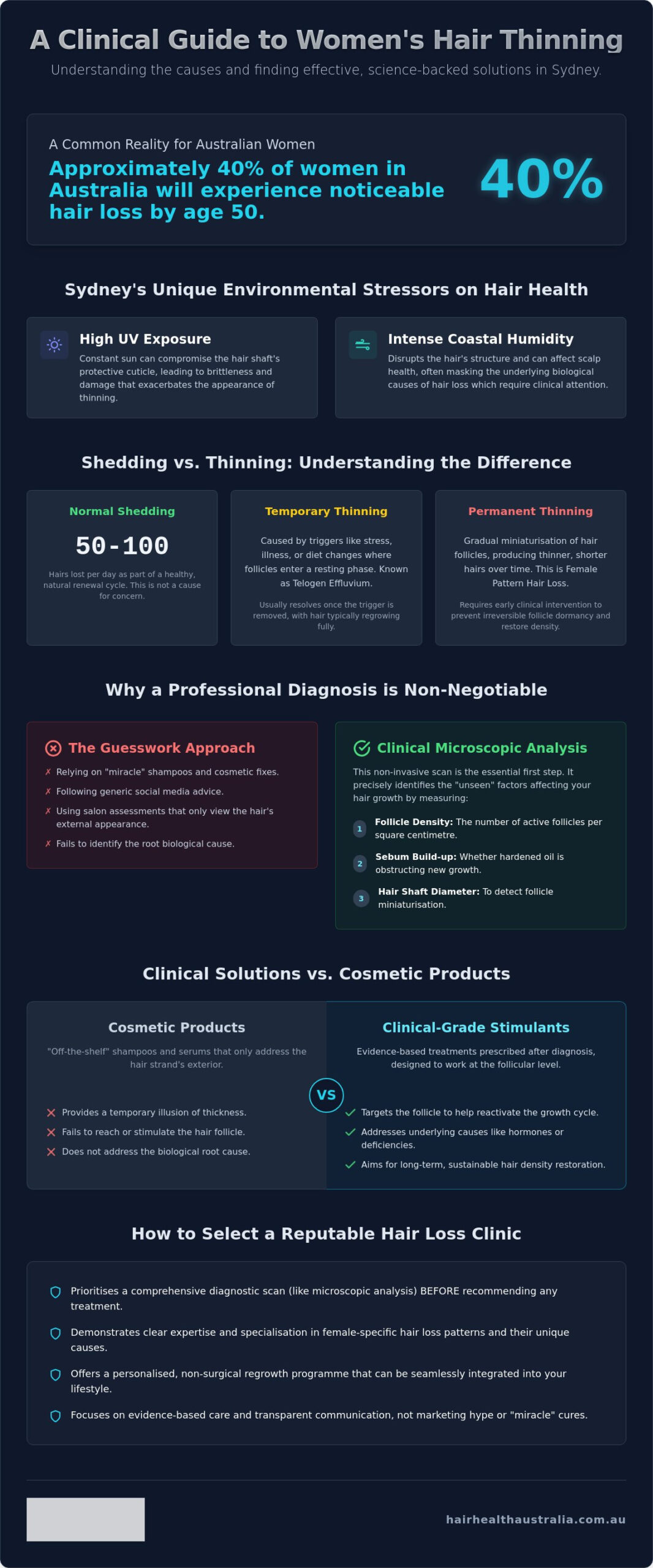
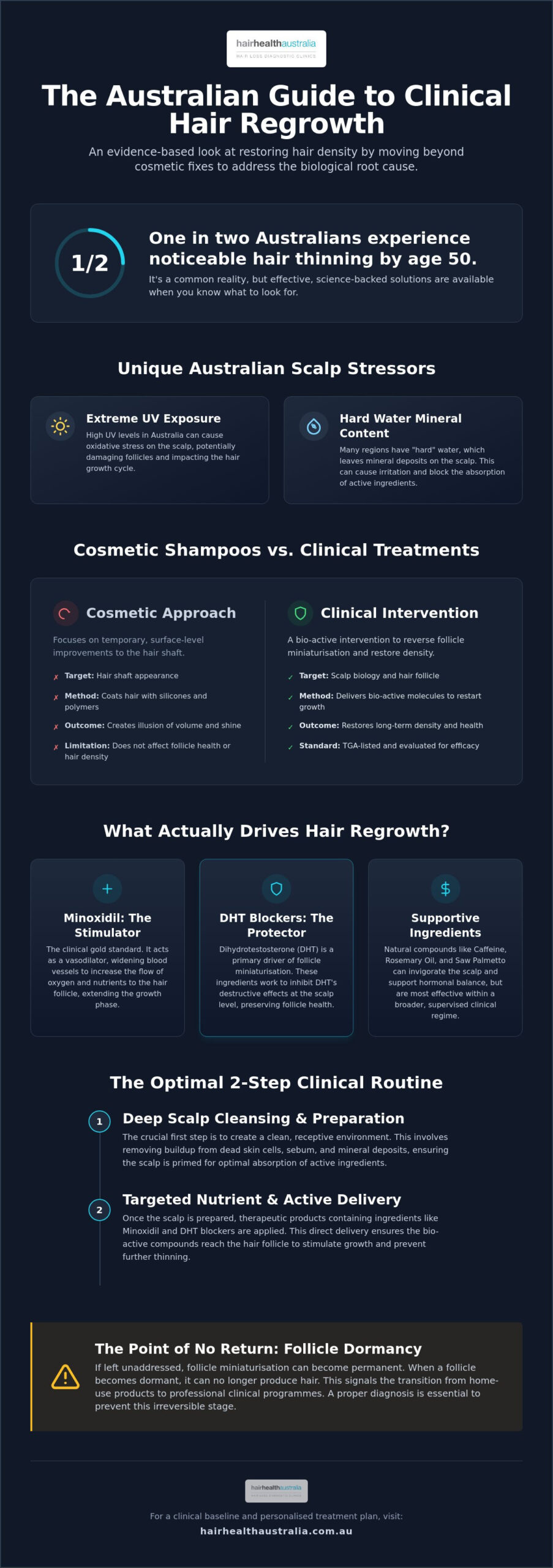
One in two Australians experience noticeable hair thinning by the age of 50. It’s a confronting reality that often leads to a cycle of trial and error with supermarket shampoos that promise much but deliver little. You’ve likely felt the frustration of watching your hairline recede while wondering if you’re simply wasting money on cosmetic fixes that don’t address the biological root cause. Finding an effective hair regrowth treatment Australia wide has become increasingly complex as the market is flooded with products that lack clinical rigour and scientific backing.

We understand the anxiety that comes with the fear of permanent follicle death, and we’re here to replace that uncertainty with scientific clarity. This guide provides an evidence-based look at Australian clinical standards and the bio-active ingredients that actually work. You’ll learn how to distinguish between basic cosmetic products and TGA-listed therapeutic goods, especially following the 2026 TGA regulatory updates. We’ll also outline a clear framework for identifying when it’s time to seek professional clinical help in Sydney to ensure your hair health is managed with precision, care, and realistic expectations.

Key Takeaways

  • Understand how unique local factors, such as extreme UV exposure and water mineral content, influence scalp health and treatment efficacy in the Australian climate.
  • Identify the clinical gold standards, including Minoxidil and DHT blockers, that form the foundation of a scientifically backed hair regrowth treatment Australia.
  • Learn why a professional diagnostic framework is essential to prevent follicle miniaturisation and avoid the common pitfall of wasting money on ineffective cosmetic products.
  • Discover the two-step clinical routine for optimal follicle stimulation, starting with deep scalp cleansing followed by targeted nutrient delivery.
  • Recognise the “point of no return” when follicles become permanently dormant, signalling the transition from home-use products to professional clinical programmes.

Understanding the Hair Regrowth Landscape in Australia for 2026

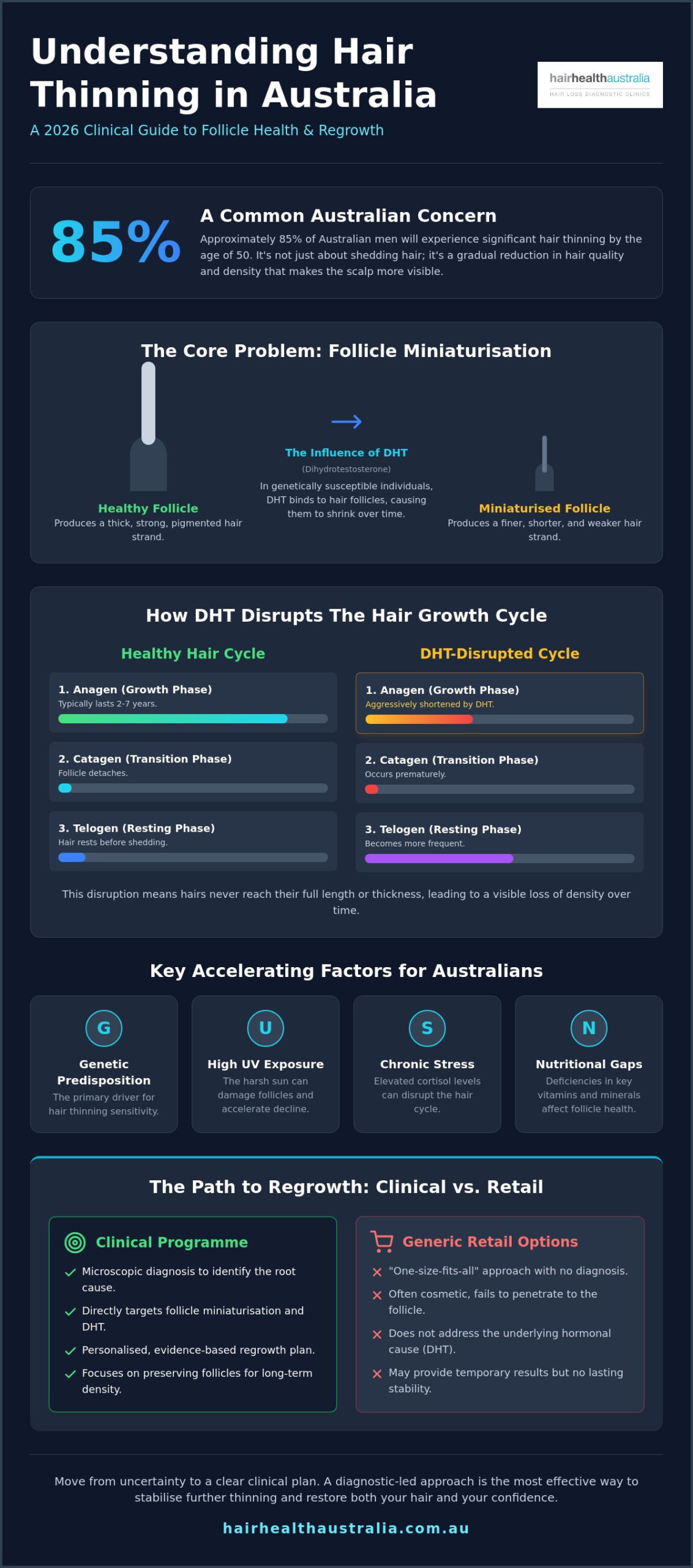
A hair regrowth treatment Australia doesn’t just mean a better shampoo; it represents a targeted bio-active intervention designed to reverse follicle miniaturisation. At its core, clinical regrowth focuses on the biological health of the scalp and the hair growth cycle rather than just the appearance of the strands. In the Australian environment, this distinction is vital. Our unique climate presents specific challenges, from extreme UV exposure that can cause oxidative stress on the scalp to “hard” water in various regions that leaves mineral deposits, potentially irritating the skin and hindering product absorption.

Success depends on identifying the underlying cause of thinning. For many, this involves Pattern hair loss (androgenetic alopecia), a genetic condition where follicles gradually shrink until they stop producing hair. A generic “hair fall control” product often only coats the hair shaft to prevent breakage. In contrast, a therapeutic stimulant works to revitalise the follicle itself. If you aren’t addressing the specific reason your hair is thinning, you’re likely investing in a solution that can’t provide the density results you’re looking for.

Cosmetic vs. Clinical: Knowing the Difference

The retail market is saturated with cosmetic serums that focus on the hair shaft, providing temporary volume and shine through silicones or film-forming polymers. These don’t change the rate of growth or the density of the hair. Clinical treatments target the follicle and scalp biology for long-term density restoration. Clinical hair growth products are bio-identical signalling molecules that restart the growth cycle. They move beyond surface-level aesthetics to influence the cellular environment where hair production begins.

The Role of the Australian TGA in Regrowth Standards

In Australia, the Therapeutic Goods Administration (TGA) maintains strict oversight of products that claim to treat medical conditions. While you’ll often see the term “clinically proven” in retail environments, it’s frequently misused to describe small-scale consumer perception studies rather than rigorous medical trials. Choosing a professional treatment means looking for evidence that goes beyond marketing buzzwords.

To ensure you’re using an authentic hair regrowth treatment Australia, you should verify if the product is registered on the Australian Register of Therapeutic Goods (ARTG). This registration confirms the product has been evaluated for safety and that its therapeutic claims are supported by evidence. Choosing a TGA-listed treatment ensures you’re using a formula held to clinical standards, providing a level of transparency that cosmetic alternatives simply cannot match. Before starting any regime, it’s wise to undergo a hair health check to establish a clinical baseline for your specific needs.

Active Ingredients: What Actually Drives Regrowth?

Selecting an effective hair regrowth treatment Australia requires a clear understanding of the bio-active ingredients that drive follicle recovery. While marketing often focuses on exotic extracts, clinical success is rooted in compounds that either stimulate blood flow, block destructive hormones, or signal cellular repair. Minoxidil remains the clinical gold standard for stimulation. By acting as a vasodilator, it widens the blood vessels around the follicle, which ensures a consistent supply of oxygen and nutrients to the hair bulb. This process helps to extend the growth phase and can effectively “wake up” follicles that have begun to thin.

Beyond simple stimulation, modern protocols often incorporate natural supportive ingredients. Compounds such as caffeine and rosemary oil have shown promise in clinical studies for their ability to invigorate the scalp environment. Saw palmetto is also frequently utilised for its potential to support hormonal balance at the scalp level. However, these natural stimulants are generally most effective when used as part of a broader, clinically supervised regime rather than as standalone solutions. Following Australian government health advice on alopecia, it’s essential to identify your specific type of hair loss to ensure these ingredients are targeted correctly.

The Science of DHT Inhibition

For both men and women, Dihydrotestosterone (DHT) is often the primary driver of follicle miniaturisation. DHT binds to androgen receptors in the scalp, causing the anagen (growth) phase of the hair cycle to shorten over time. This results in hair that grows back thinner and shorter until the follicle eventually stops producing hair altogether. Blocking this process is the non-negotiable foundation of managing pattern baldness. Australian patients can choose between systemic options or topical DHT blockers, which offer the advantage of delivering the active ingredients directly to the affected area while minimising broader absorption.

Biotech Advancements: Peptides and Stem Cell Signalling

The 2026 landscape has seen a significant shift toward bio-identical signalling. Modern peptides work by mimicking the natural growth factors that tell your body to produce new hair cells. Unlike older, harsher chemical treatments, these biotech advancements focus on “cell talk,” encouraging dormant follicles to return to an active state. Peptide-based therapies represent the most significant advancement in non-surgical hair science this decade. They offer a refined approach for those seeking restoration without the side effects sometimes associated with traditional pharmaceuticals. Establishing whether your thinning is caused by DHT or environmental factors is the first step toward recovery, which is why a professional hair health check is often recommended before starting a new regime.

Best Hair Regrowth Treatment Australia 2026: A Clinical Reference Guide

The Diagnostic Framework: Why You Shouldn’t Buy Yet

Before investing in any hair regrowth treatment Australia offers, you must understand what you’re actually treating. Self-diagnosing based on a quick glance in the mirror or a social media ad often leads to wasted expenditure and, more critically, delayed results. Hair loss isn’t a singular condition. It’s a symptom of various biological processes. If you treat stress-induced shedding (Telogen Effluvium) with ingredients meant for genetic thinning (Androgenetic Alopecia), you’re simply not addressing the root cause. This mismatch allows the actual problem to progress, potentially leading to irreversible follicle death.

Clinical precision is the only way to avoid this cycle. Modern advancements, such as the TGA approval of Litfulo (ritlecitinib) for specific severe cases, demonstrate how specialised treatments must be for different types of hair loss. Without a clear starting point, you’re essentially guessing with your health. A professional hair health check provides the data needed to build a targeted, effective regime from day one. It’s about moving away from “hope in a bottle” and toward a methodical, evidence-based plan.

Microscopic Analysis: The Professional Standard

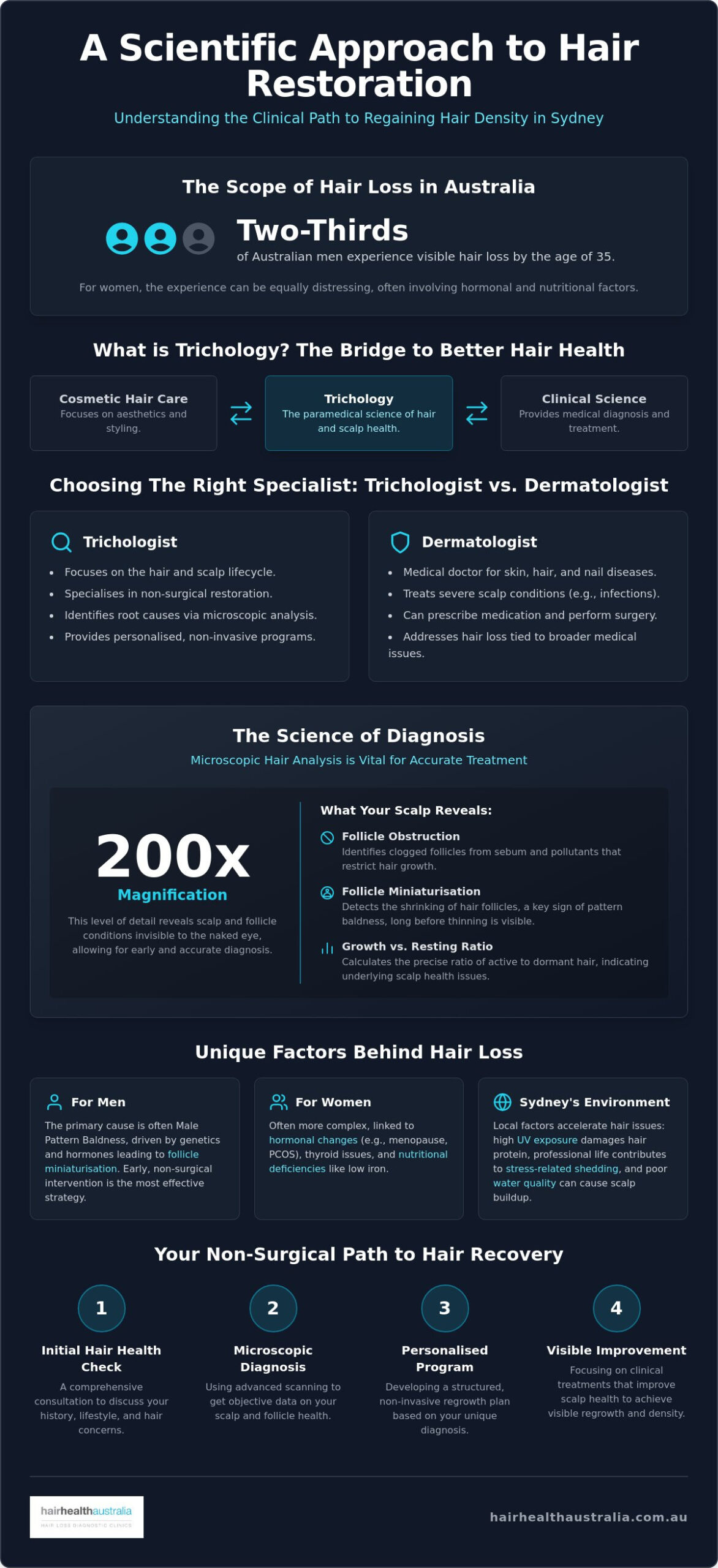
High-magnification scans are the cornerstone of a clinical approach. These scans reveal follicle health that the naked eye cannot detect. We can see signs of miniaturisation, where the hair bulb begins to shrink, long before visible thinning appears on the crown or hairline. By the time you notice a gap, you may have already lost up to 50% of the hair density in that area. Seeking a diagnosis at a Sydney hair clinic allows for early intervention. This proactive step is significantly more effective than trying to “resurrect” dormant follicles once they’ve already scarred over.

Scalp Health as the Foundation for Growth

Even the most advanced bio-active serum will fail if the scalp environment is compromised. Think of your scalp as the soil and your hair as the plant. If the soil is inflamed, overly oily, or clogged with environmental pollutants, the “plant” cannot thrive. Clogged pores and excess sebum can trap DHT near the follicle, accelerating the thinning process. We often see patients who’ve spent hundreds on premium serums but haven’t addressed basic scalp hygiene. You can learn more about these essential maintenance protocols by reviewing our guide on Scalp Health and Hair Loss. Preparing the scalp environment is a non-negotiable step in any successful regrowth journey.

How to Organise a Clinical-Grade Hair Routine

Success with a hair regrowth treatment Australia doesn’t happen by accident. It requires a methodical approach that respects the biological timeline of the hair follicle. Once a diagnosis has identified your specific needs, you must transition into a structured daily protocol. This isn’t a simple “wash and go” retail experience. It’s a systematic intervention designed to keep follicles active and healthy. By following a structured routine, you ensure that each product has the best possible chance to penetrate the scalp and deliver results.

  • Step 1: Deep Cleansing. You must remove DHT-laden sebum and environmental pollutants from the scalp surface. A clean foundation ensures that subsequent treatments aren’t blocked by oily buildup or dead skin cells.
  • Step 2: Nutrient Delivery. Use clinical-grade shampoos specifically formulated for follicle stimulation. These differ from cosmetic versions by delivering active compounds directly to the scalp skin rather than just coating the hair shaft.
  • Step 3: Targeted Stimulant Application. Apply your prescribed serums or tonics to a clean, receptive scalp. Focus on the areas of greatest thinning to ensure the highest concentration of bio-active ingredients reaches the follicles.
  • Step 4: Internal Support. Topical treatments work best when supported from within. Hair-specific micronutrients fuel the growth phase, providing the raw materials needed for robust keratin production.
  • Step 5: The 90-Day Rule. Consistency is the only path to visible results. You must commit to the routine for at least 90 days before expecting to see structural changes in hair texture or density.

Morning vs Evening Protocols for Maximum Absorption

Timing your applications can influence how well your scalp absorbs active ingredients. Many clinical stimulants are best applied in the evening. This allows the product to work undisturbed by daily styling products or environmental UV exposure. It also aligns with the body’s natural circadian rhythms, where cellular repair processes are often more active. A three-minute scalp massage during application can further increase local blood circulation. This simple action helps move the bio-active molecules deeper into the follicle. If you find product buildup is an issue, adjust your morning cleansing routine to maintain a fresh scalp environment without stripping away essential moisture.

Measuring Success: What to Expect in the First 6 Months

Managing your expectations is a vital part of the clinical process. During the first few weeks of a new regime, you may experience a temporary increase in shedding. Don’t panic. This is often a sign that dormant follicles are “resetting” and pushing out old, thin hairs to make room for new, stronger growth. You can use hair density checks and monthly high-resolution photos to track your progress objectively. True density changes usually become visible between the three and six-month marks. If you’re ready to move beyond guesswork, it’s time to book a hair health check and establish your clinical baseline.

When Products Aren’t Enough: Professional Sydney Solutions

Even the most diligent home routine has its limits when faced with aggressive or long-term thinning. There comes a stage in the hair loss journey often referred to as the “Point of No Return.” This occurs when follicles have undergone such extreme miniaturisation that they become permanently dormant. Over time, the follicle opening can scar over, a process called fibrosis. Once this happens, no topical hair regrowth treatment Australia can reach the hair bulb to stimulate new growth. Identifying this threshold early is the difference between successful restoration and continued, irreversible loss.

Moving beyond over-the-counter shelf products requires a shift from a “product” mindset to a “managed programme.” While retail serums serve a purpose for early-stage thinning, advanced loss demands clinical management. The Hair Health Australia approach focuses on personalised clinical regrowth that bridges the gap between basic home care and invasive surgery. We provide a structured, non-surgical framework that targets the biological drivers of your specific hair loss type, ensuring that every intervention is data-driven and results-oriented.

In-Clinic Therapies vs Home Kits

Clinical equipment, such as medical-grade low-level laser therapy, provides a level of follicle stimulation that home kits simply cannot match. These in-clinic therapies enhance product penetration by increasing local blood flow and cellular energy within the scalp. The primary benefit of a professional programme is the continuous supervision. A specialist can monitor your scalp’s response and adjust dosages or formulas as your hair health evolves. This level of precision is why many Sydney residents are increasingly choosing non-surgical restoration over the high costs and recovery times associated with invasive transplants.

Your Next Step: The Professional Consultation

It’s natural to feel a sense of anxiety before your first clinical visit. Many people worry they will be met with a sales pitch or told it’s too late. Our approach is built on a “straight-talking” assessment designed to provide clarity rather than false hope. During a clinical hair health assessment at our Sydney centre, we use high-magnification imaging to establish exactly where your follicles sit on the growth spectrum. We tell you honestly what can be revitalised and what has passed the point of clinical intervention. This transparency allows you to make an informed decision about your future. If you are ready for a definitive answer, book your clinical hair analysis at our Sydney centre today to begin your managed journey toward restoration.

Securing Your Future Hair Health

Achieving sustainable density requires moving beyond the “hope in a bottle” mindset. As this guide has detailed, an effective hair regrowth treatment Australia depends on a precise clinical diagnosis combined with the consistent application of bio-active stimulants. By prioritising scalp health and understanding the biological timeline of the hair follicle, you can effectively intervene before miniaturisation becomes permanent. Success isn’t found in a single supermarket product, but in a managed, evidence-based strategy that respects your unique biology.

Since 2009, we’ve operated as dedicated non-surgical regrowth experts, providing every client with detailed clinical microscopic analysis to establish a clear baseline. We develop tailored programmes for both men and women, focusing on transparency and realistic expectations. Our goal is to ensure you have the knowledge to make the right choice for your hair’s future. It’s never too early to take control of your density and replace uncertainty with a professional, data-driven plan.

Book Your Comprehensive Hair Health Check in Sydney today to begin your journey toward a healthier, fuller head of hair with confidence.

Frequently Asked Questions

Do hair growth products actually work for genetic balding?

Clinical hair growth products can be highly effective for genetic balding if the follicles are still active. These treatments work by inhibiting Dihydrotestosterone (DHT), the hormone responsible for shrinking follicles in androgenetic alopecia. While they cannot change your underlying genetics, they can halt miniaturisation and revitalise thinning hair to restore density. Success depends on starting the programme before the follicles have permanently scarred over.

How long does it take to see results from hair regrowth treatments in Australia?

You should expect to see visible changes between three and six months of consistent use. This timeline aligns with the natural hair growth cycle, which requires time to transition from the resting phase back into the active growth phase. Initial results often appear as fine, downy hairs that gradually thicken into stronger terminal hairs over several months of a dedicated hair regrowth treatment Australia.

Can I use hair growth products if I have a sensitive scalp?

Yes, but you must select clinical formulas specifically designed for scalp health. Many over-the-counter retail products contain high concentrations of alcohol or harsh preservatives that can trigger irritation. We recommend peptide-based signalling molecules or alcohol-free topicals that provide the necessary stimulation without compromising the delicate skin barrier. It’s always best to have a professional assessment to identify specific triggers before starting.

What is the best ingredient for female hair thinning in 2026?

Minoxidil remains the clinical gold standard for female thinning, though 2026 has seen a significant shift toward combining it with bio-identical peptides. These growth factors help signal cellular repair without the hormonal side effects sometimes associated with other pharmaceuticals. A multi-faceted approach that addresses both scalp circulation and nutrient delivery typically yields the most reliable results for women experiencing diffuse thinning or hormonal changes.

Is it better to use a hair growth shampoo or a leave-in serum?

Leave-in serums are generally more effective for active regrowth because they remain on the scalp for several hours. This extended contact time allows for deeper penetration of bio-active ingredients into the follicle. While growth shampoos are excellent for preparing the scalp and removing DHT-laden sebum, they are a supporting step rather than the primary driver of density restoration. For the best results, use both in a structured routine.

Should I wash my hair every day when using growth treatments?

Daily washing is often recommended when using a clinical hair regrowth treatment Australia to prevent product buildup. A clean scalp ensures that each application of your stimulant can reach the follicles without being blocked by old residue, oils, or environmental pollutants. If your scalp is particularly dry, we can adjust your routine to ensure you maintain hygiene without causing dehydration or stripping away essential natural oils.

Are there any side effects to clinical hair regrowth treatments?

Potential side effects are generally mild and may include temporary scalp irritation or an initial increase in shedding. This initial shedding is a normal biological response where the follicle pushes out a thin, weak hair to make room for a new, stronger one. If you experience persistent redness or itching, it’s essential to consult with a specialist. We can often adjust your formula or dosage to ensure the treatment remains comfortable.

Can I combine different brands of hair growth products safely?

We don’t recommend mixing different brands without professional guidance. Some active ingredients can cancel each other out or cause unexpected scalp reactions when combined. A managed clinical programme ensures that all components of your routine are chemically compatible and designed to work together. This systematic approach maximises your results while minimising the risk of irritation or ingredient interference that can occur with a “DIY” product mix.

Choosing a Non-Surgical Hair Loss Clinic in Sydney: The 2026 Essential Checklist

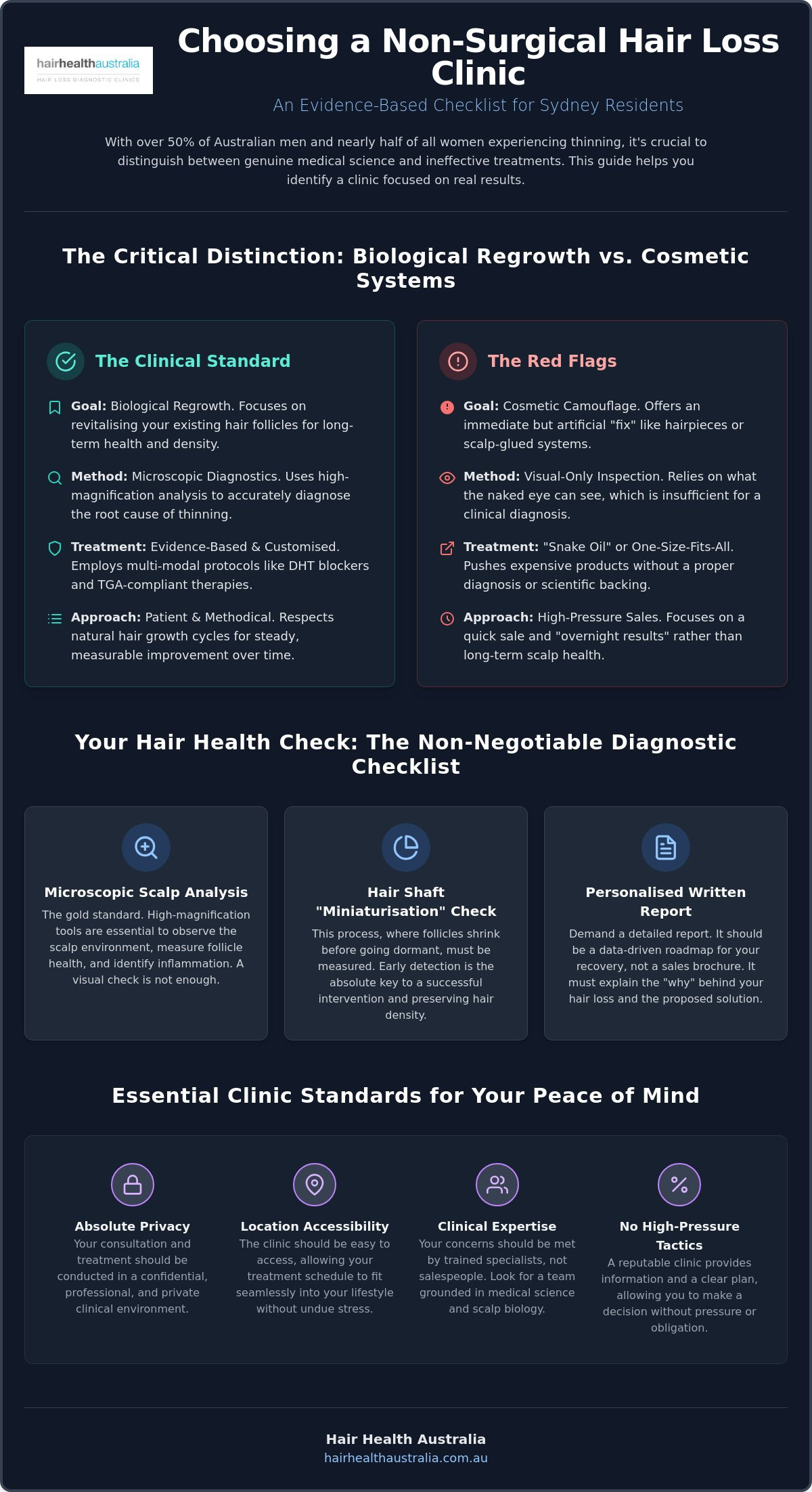
In 2026, the most effective non-surgical hair loss clinic in Sydney isn’t necessarily the one with the flashiest marketing, but the one that prioritises precise microscopic diagnostics over a polished sales pitch. With over 50% of Australian men and nearly half of all women experiencing thinning, the search for a solution often feels like a gamble between genuine medical science and expensive “snake oil” treatments. You’re likely looking for a professional environment where your concerns are met with clinical expertise rather than high-pressure retail tactics.

It’s understandable to feel cautious about where you place your trust, especially when the line between cosmetic cover-ups and restorative therapy feels increasingly thin. We’ve developed this essential checklist to help you navigate the local clinical landscape with absolute confidence. You’ll learn how to identify evidence-based treatment plans that focus on long-term hair density and scalp health, ensuring your investment leads to visible results.

This guide provides a structured overview of the rigorous standards you should expect from a modern practitioner, from TGA-compliant regenerative therapies to the necessity of a real-time consultation. We will explore how to verify clinical credentials and what a truly customised regrowth plan looks like in a professional Sydney setting.

Key Takeaways

  • Understand the critical distinction between cosmetic hair replacement systems and clinical programs designed to stimulate natural hair regrowth.
  • Discover why a reputable non-surgical hair loss clinic in Sydney must utilise microscopic scalp analysis to accurately diagnose your condition before starting any therapy.
  • Learn how multi-modal treatment protocols and DHT blockers work together to stabilise thinning and improve overall hair density.
  • Identify the essential standards for clinical privacy and location accessibility that ensure your treatment fits seamlessly into your lifestyle.
  • Equip yourself with a professional checklist to filter out ineffective options and choose a specialist grounded in evidence-based medical science.

Defining the Clinical Non-Surgical Path in Sydney

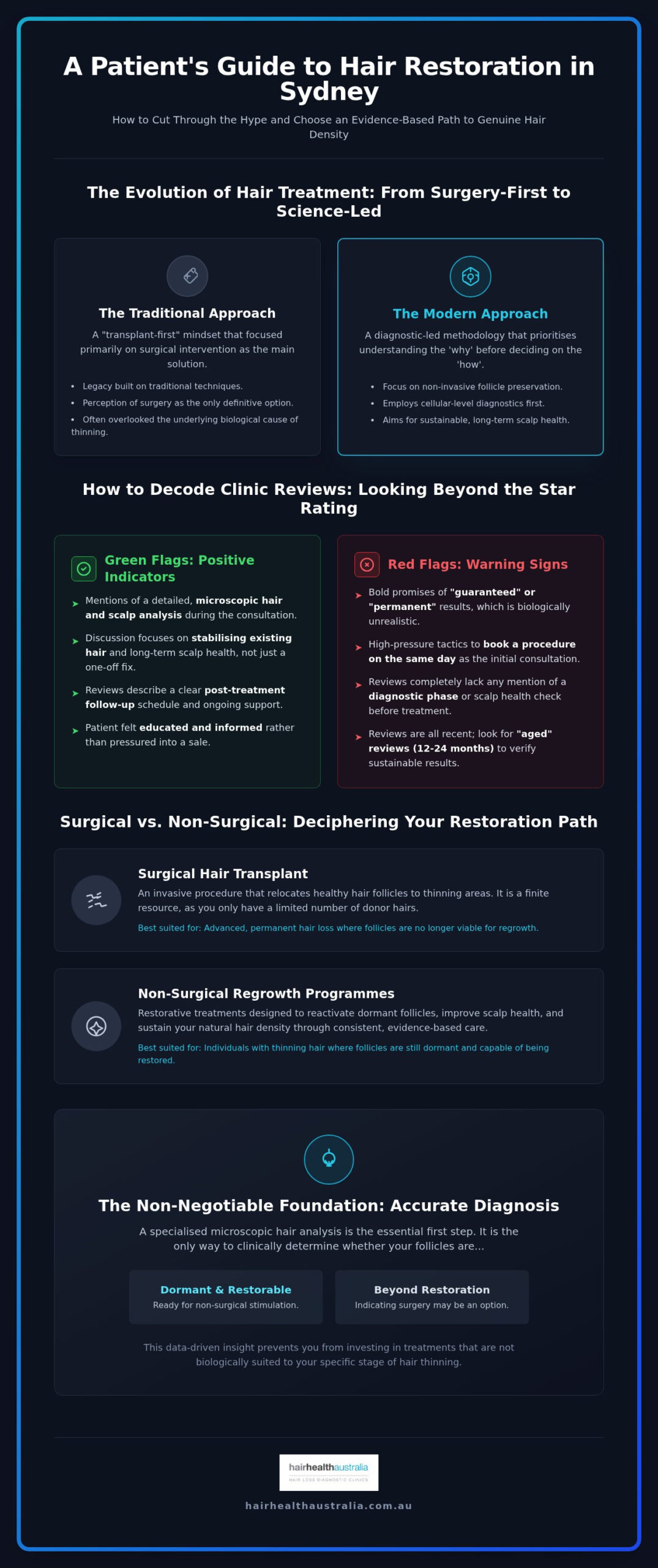
The term “non-surgical” is frequently used as a broad catch-all in the hair restoration industry, leading to significant confusion for those seeking help. In a crowded market like Sydney, it’s vital to distinguish between cosmetic camouflage and biological restoration. While some providers use the term to describe hairpieces or “systems” that are glued to the scalp, a true clinical non-surgical hair loss clinic Sydney focuses on the physiological health of your existing follicles. In 2026, the standard of care has shifted toward data-driven protocols that prioritise the preservation of your natural hair.

Choosing a clinical path means opting for science over aesthetics. It requires a patient, methodical approach that respects the natural growth cycles of human hair. You shouldn’t expect overnight results; instead, you should look for a steady, measurable improvement in hair shaft diameter and overall scalp coverage. This focus on biological reality is what builds lasting confidence and avoids the “snake oil” traps that often plague the industry. Finding a reputable non-surgical hair loss clinic Sydney requires looking beyond surface-level marketing to see if a provider understands the complex biology of the scalp.

Biological Regrowth vs. Cosmetic Systems

Clinical regrowth programs aim to revitalise the follicles you still have. This approach addresses the underlying causes of Pattern hair loss by using evidence-based triggers to move follicles from a resting phase back into an active growth phase. Unlike cosmetic systems, which offer an immediate but artificial “fix,” biological treatments maintain your natural hair texture, colour, and movement. It’s a long-term investment in your scalp’s health, ensuring you aren’t just covering up the problem.

The Shift Away from Hair Transplant Surgery

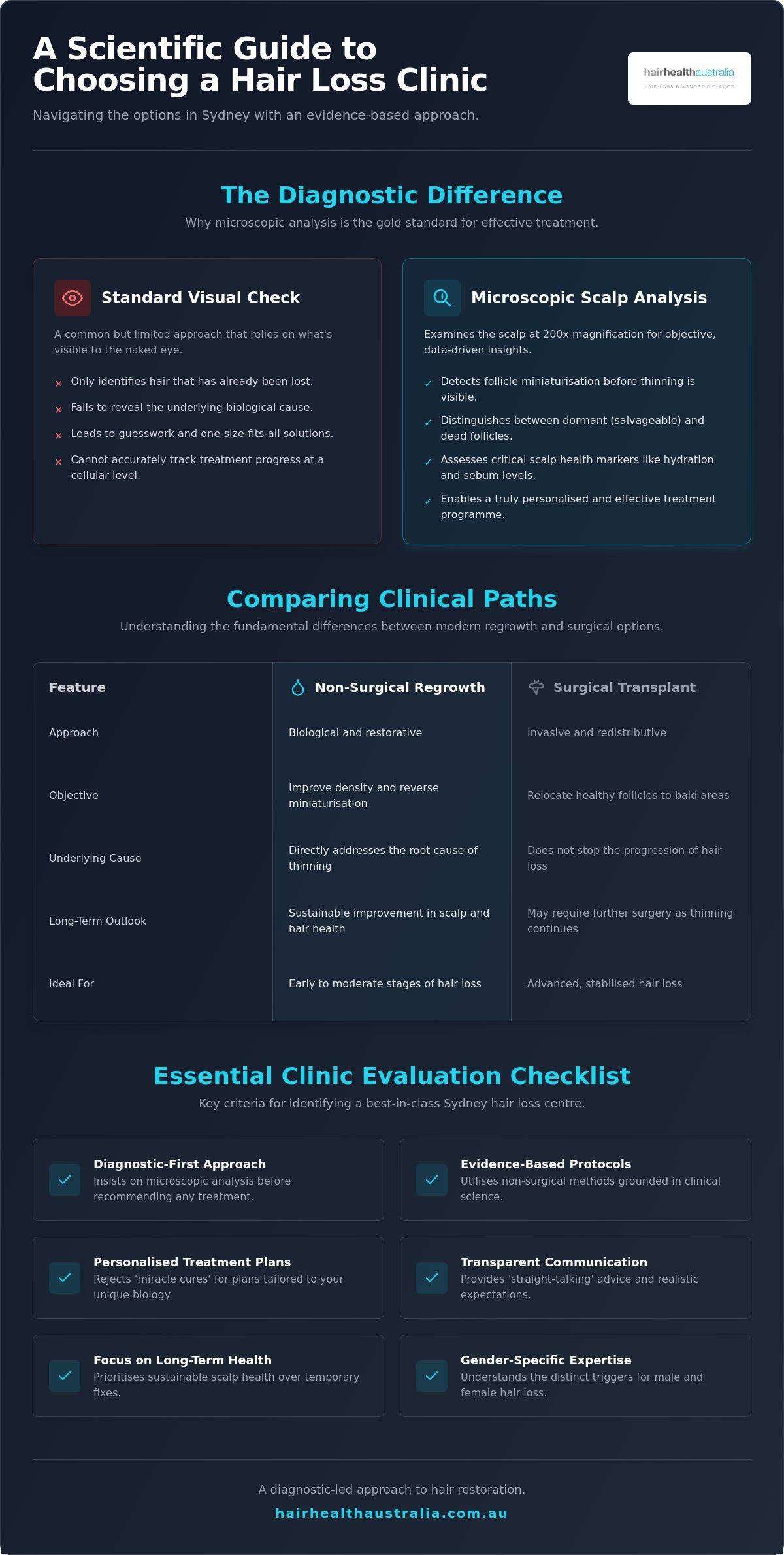
Many Sydney residents are increasingly moving away from invasive surgical procedures. While transplants can be effective, they often involve significant downtime, potential scarring, and the risk that the non-transplanted hair will continue to thin around the new grafts. Clinical non-surgical options serve as a critical first line of defence. By starting a professional protocol early, you can stabilise thinning and improve density before follicles become permanently dormant. This proactive approach is why a thorough hair health check is the essential first step for anyone noticing the early signs of recession or thinning.

The Diagnostic Checklist: What Your Sydney Hair Health Check Must Include

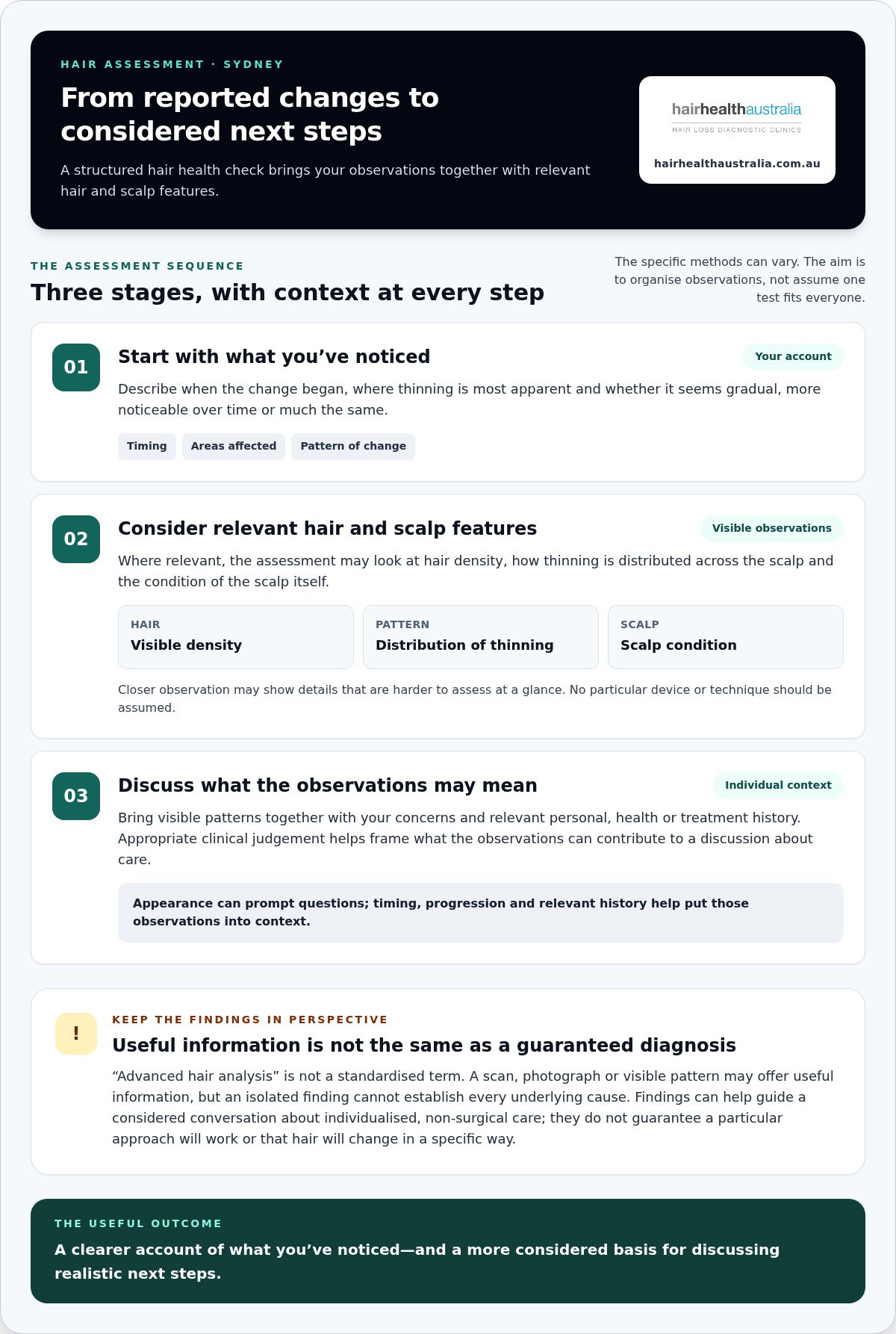
A visual inspection by a barber or hairstylist is often the first time someone hears they are thinning, but this is entirely insufficient for a clinical diagnosis. A reputable non-surgical hair loss clinic Sydney must go beyond what the naked eye can see. While a stylist identifies a receding hairline, a specialist identifies the physiological “why” behind it. This distinction is vital because several conditions can mimic Patterned hair loss, including nutritional deficiencies or scalp-specific inflammation. Without a clinical assessment, you risk spending money on a treatment that doesn’t target the actual cause of your shedding.

Every patient should receive a personalised report. This document shouldn’t just be a brochure; it should be a roadmap detailing your specific recovery path based on hard data. If a clinic cannot show you the current state of your follicles and explain the specific triggers they intend to use, they aren’t providing a medical-grade service. Taking the time to undergo a proper diagnostic assessment ensures your treatment plan is built on facts rather than guesswork.

Microscopic Hair and Scalp Analysis

The gold standard in 2026 is microscopic scanning. By using high-magnification tools, we can observe the scalp environment at a granular level. This allows us to measure hair shaft diameter accurately, identifying “miniaturisation”, the process where follicles shrink before they stop producing hair altogether. Detecting this early is the key to successful intervention. If you want to see exactly what is happening beneath the surface, a professional hair health check is the only way to get a definitive baseline for your treatment.

Professional Consultation Standards

Your specialist’s qualifications matter. You should be speaking with a qualified trichologist or a hair health expert, not a salesperson. A professional consultation provides a straight-talking assessment of your regrowth potential, even if that means telling you that a certain treatment won’t work for your specific stage of loss. Understanding the difference between a Trichologist vs Dermatologist for Hair Loss can help you decide which path is right for your needs. A dedicated non-surgical hair loss clinic Sydney will always prioritise this educational, diagnostic phase over a quick sale.

To ensure you are heading in the right direction, consider scheduling a comprehensive hair health check before committing to any long-term program.

Choosing a Non-Surgical Hair Loss Clinic in Sydney: The 2026 Essential Checklist

Evaluating Treatment Protocols: A Clinical Framework

A successful clinical framework relies on a multi-modal approach. Relying on a single treatment, such as a basic lotion or an isolated supplement, rarely addresses the complex biological triggers of thinning. A professional non-surgical hair loss clinic Sydney should offer integrated programs that combine different regrowth triggers simultaneously. This might include clinical-grade topicals, targeted nutritional support, and advanced scalp therapies designed to work in synergy. This layered strategy ensures that while one component stabilises loss, another actively stimulates the follicle, leading to more robust results than any standalone product could achieve.

The quality of these components is equally significant. There is a vast difference between over-the-counter kits found in a local chemist and the clinical-grade formulations used in a specialist setting. Medical-grade topicals often feature higher concentrations of active ingredients and advanced delivery systems that allow for better penetration into the scalp. Without this level of precision, the treatment may never reach the depth required to influence the hair bulb. Consistency and regular in-clinic monitoring are the final pieces of the puzzle, ensuring that your progress is tracked and your protocol is adjusted as your scalp health improves. For a detailed breakdown of which bio-active ingredients and TGA-listed therapies are clinically validated, the best hair regrowth treatment Australia 2026 clinical reference guide provides an evidence-based overview of current Australian standards.

The Role of DHT Management

Managing dihydrotestosterone (DHT) is the cornerstone of most successful recovery plans. Clinical programs focus on neutralising this hormone’s impact to prevent further follicle degradation. While topical blockers are effective, they are most powerful when paired with internal health strategies that support the body’s natural balance. By 2026, clinical research confirms that dihydrotestosterone (DHT) binds to susceptible androgen receptors in the scalp, causing the progressive miniaturisation of hair follicles and shortening the anagen growth phase. Understanding these Patterned hair loss treatments is essential for anyone serious about long-term hair preservation.

Personalised Regrowth Programs

Generic “one-size-fits-all” kits are often ineffective because they ignore the unique biology of your scalp. A bespoke program is dynamic; it evolves based on your microscopic progress. If your follicle density improves or your scalp health changes, your protocol should be adjusted accordingly. This level of customisation is only possible through regular in-clinic monitoring, which allows a specialist to track your progress and fine-tune your treatment for maximum efficacy. You can learn more about these Clinical Approaches to Restoring Hair Health to see how a structured program differs from a retail-based solution. Consistent oversight at a non-surgical hair loss clinic Sydney ensures you stay on the right path and provides the accountability needed for biological regrowth to occur.

Sydney Clinic Standards: Privacy, Location, and Care

The choice of a non-surgical hair loss clinic Sydney involves more than just evaluating treatment protocols. The physical environment and the operational standards of the facility play a significant role in your long-term success. Hair restoration is a journey that requires regular visits, making the location and the level of professional care paramount. Whether you choose a clinic in the Sydney CBD or an accessible suburban centre, the facility should facilitate a seamless integration of treatment into your weekly routine. High-quality care means you never feel like just another number in a high-volume retail chain.

Accountability is another critical factor to consider. Local, Australian-owned clinics often provide a higher standard of personalised care compared to large international franchises. In a local setting, your specialist is directly accountable for your results and is more likely to provide a stable, long-term relationship. This continuity is essential for tracking progress over months and years. It ensures your history is well-documented and your protocol is managed by someone who truly understands your specific hair profile and previous responses to therapy.

Discretion and Professionalism

Privacy is a primary concern for many individuals seeking hair restoration. A professional clinic should offer private waiting areas and individual treatment rooms to ensure your journey remains confidential. Beyond physical walls, professionalism extends to how your data is handled. Ensure the clinic uses medical-grade security for your progress photos and personal records. A calm, empathetic environment allows you to discuss your concerns openly, which is a vital part of the therapeutic process. You should feel comfortable and respected from the moment you walk through the door.

Ongoing Monitoring and Support

Successful biological regrowth depends on more than just the initial prescription. It requires active, ongoing monitoring. Your chosen non-surgical hair loss clinic Sydney should offer regular follow-up scans to track changes in follicle density and hair shaft diameter. These sessions allow for the objective measurement of your progress, replacing subjective “looking in the mirror” assessments with hard data. Having a dedicated specialist who knows your history makes it easier to stay compliant with your program, as they can provide the necessary adjustments and encouragement at every stage of your recovery.

To experience this level of professional care firsthand, you can book a comprehensive hair health check at our specialised Sydney facility.

Making the Decision: Why Hair Health Australia is the Logical Choice

Deciding on a treatment path is a significant step toward reclaiming your confidence. At Hair Health Australia, we’ve designed our Sydney clinic to be the definitive answer for those seeking medical-grade restoration without the risks of surgery. Our commitment to non-surgical excellence means every protocol we develop is rooted in the latest clinical data. By choosing a dedicated non-surgical hair loss clinic Sydney, you’re ensuring that your treatment is managed by specialists who focus exclusively on biological regrowth and follicle preservation.

Our methodology avoids the “one-size-fits-all” approach that often leads to disappointment. We integrate advanced microscopic diagnostics with bespoke therapy, ensuring that your program is as unique as your DNA. This 100% non-invasive focus means you can achieve restored hair density without the downtime, scarring, or significant financial outlay associated with hair transplant surgery. It’s a systematic, evidence-based journey that prioritises the long-term health of your scalp over temporary cosmetic fixes.

Our Boutique Clinical Approach

With over 15 years of experience in the Australian market, we understand the specific concerns and environmental factors that affect Sydney residents. We don’t rely on hyperbolic marketing; instead, we rely on measurable results. We prioritise transparency by providing realistic, science-backed expectations based on the current biological state of your hair follicles. This “straight-talking” honesty is the foundation of the trust we build with every patient, ensuring you feel empowered and informed at every stage of your treatment.

Ready to Restore Your Confidence?

The first step toward thicker, healthier hair is an accurate diagnosis. Preparing for your visit is simple; we recommend coming in with your hair in its natural state and a clear list of any previous treatments you’ve tried. During your initial consultation at our Sydney centre, you’ll undergo a professional scan that reveals the hidden health of your scalp. It’s time to replace uncertainty with a clear, actionable plan. You can take that first step today by booking your comprehensive hair health check and starting your personalised journey toward regrowth.

Secure Your Hair’s Future with Clinical Precision

Navigating the restoration landscape requires moving past marketing hype and focusing on verifiable scalp health. By prioritising microscopic diagnostics and multi-modal protocols, you ensure your treatment is grounded in biological reality rather than cosmetic guesswork. Finding a reliable non-surgical hair loss clinic Sydney means choosing a partner who values transparency and provides a clear roadmap for your specific condition. This approach replaces uncertainty with a structured, data-driven path toward restoration.

Since 2009, Hair Health Australia has maintained a specialised non-surgical focus, helping Australians stabilise thinning and restore density through evidence-based care. Our assessments include Advanced Microscopic Hair Analysis to identify the exact state of your follicles, allowing us to build personalised programs designed specifically for Australian conditions. You don’t have to navigate this journey alone; professional, science-backed help is ready to guide you back to confidence with a plan tailored to your unique needs.

Book Your Comprehensive Hair Health Check in Sydney Today and take a proactive step toward a denser, healthier head of hair.

Frequently Asked Questions

Is a non-surgical hair loss clinic as effective as a hair transplant?

Non-surgical treatments are often more effective for stabilisation and early-stage thinning than surgery. While a transplant relocates hair to a new area, it doesn’t address the underlying biological triggers that cause your remaining hair to thin. A professional non-surgical hair loss clinic Sydney focuses on revitalising your natural follicles, which is an essential step even if you eventually consider invasive procedures.

How long does it take to see results from a non-surgical program in Sydney?

Patience is required because hair grows in slow, methodical cycles. You’ll typically see a reduction in excessive shedding within the first three months of a clinical program. Visible improvements in hair density and shaft diameter generally become apparent between six and twelve months, provided you remain consistent with your prescribed protocol.

What happens during a Microscopic Hair Analysis at a Sydney clinic?

A Microscopic Hair Analysis involves using a high-definition digital lens to examine your scalp at up to 200x magnification. This allows the specialist to identify miniaturised follicles that aren’t visible to the naked eye during a standard consultation. You’ll receive a clear baseline of your current follicle density and scalp health to track your progress with clinical accuracy.

Are non-surgical treatments for hair loss permanent?

Results are generally maintained as long as the treatment triggers remain active. Because conditions like androgenetic alopecia are progressive, stopping a clinical program may allow the natural thinning process to resume over time. Long-term success usually involves a transition to a simplified maintenance phase once your initial regrowth goals have been achieved.

Can women receive treatment at a non-surgical hair loss clinic in Sydney?

Yes, female hair loss treatment is a specialised area of focus at our centre. Women often experience different thinning patterns and hormonal triggers than men, which requires a more nuanced diagnostic approach. Our clinical programs are tailored to address these specific biological needs, focusing on restoring volume and improving overall hair quality.

Do I need a referral from a GP to visit a hair loss specialist?

You don’t need a GP referral to book an assessment at our non-surgical hair loss clinic Sydney. You can schedule a consultation directly with our specialists to begin your diagnostic process. If our analysis suggests an underlying medical issue, we will recommend you consult with your doctor for further blood tests or systemic investigation.

Are the treatments used at Hair Health Australia TGA-approved or clinically backed?

All protocols at Hair Health Australia are grounded in proven clinical standards and utilise evidence-based methodologies. We ensure that any therapeutic devices or active ingredients used in our clinic comply with relevant Australian regulatory standards. Our focus remains on delivering safe, objective results through a systematic and professional approach to care. For a comprehensive overview of which hair regrowth treatment Australia options meet current TGA regulatory standards, our 2026 clinical reference guide outlines the key distinctions between cosmetic products and evidence-backed therapeutic goods.

What is the cost difference between surgery and a clinical regrowth program?

Clinical regrowth programs typically offer a more accessible entry point compared to the high upfront costs of surgical transplants. While surgery involves a significant one-off expense and potential costs for follow-up procedures, non-surgical therapy is structured as a manageable, ongoing investment in your biological hair health and follicle preservation.

Hair Fall Treatment for Ladies: The 2026 Sydney Resource Guide

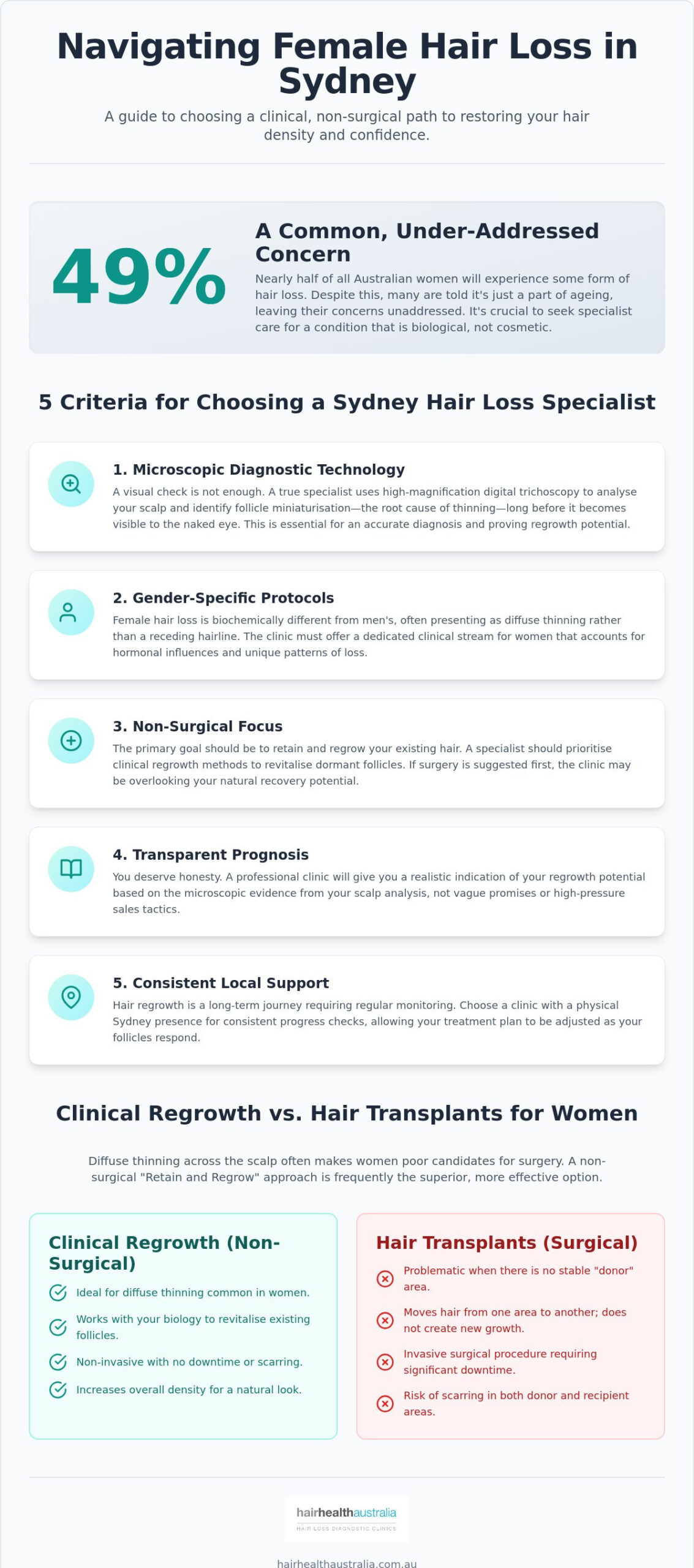
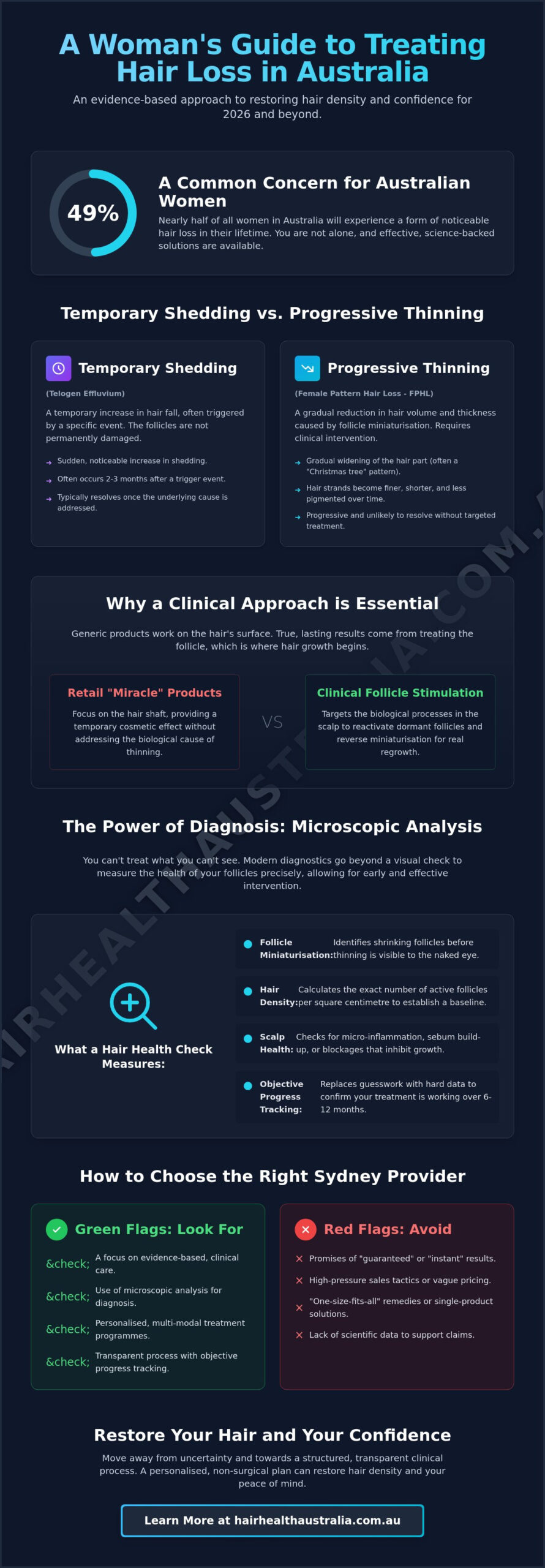
Approximately 49% of Australian women will experience some form of hair loss in their lifetime. It’s a deeply personal challenge that often leads to a loss of self-esteem, especially when you’re met with conflicting online advice or the fear that thinning is a permanent part of ageing. You shouldn’t have to settle for “miracle” cures that fail to deliver. Finding an effective hair fall treatment for ladies requires a shift away from generic products towards a clinical, data-driven approach that targets the follicle itself.

This guide provides the clarity you need to move forward with confidence. You’ll discover how modern diagnostic resources can identify the precise “why” behind your hair thinning, allowing for a personalised plan that prioritises visible regrowth and thicker density. We will preview the most effective non-surgical options available in Sydney for 2026, from microscopic scalp analysis to advanced regenerative therapies. By replacing uncertainty with evidence-based science, you can begin the journey to restoring both your hair and your peace of mind.

Key Takeaways

  • Distinguish between temporary shedding and progressive thinning to ensure your chosen intervention targets the actual biological cause of hair loss.
  • Utilise microscopic scalp analysis to identify follicle miniaturisation early, allowing for clinical action before thinning becomes visible to the naked eye.
  • Evaluate the benefits of multi-modal clinical programmes, which often provide superior outcomes compared to using a single hair fall treatment for ladies.
  • Identify key red flags when selecting a Sydney provider, such as “guaranteed” results or high-pressure sales, to ensure you receive evidence-based care.
  • Understand how a customised, non-surgical plan can restore hair density and self-esteem through a structured and transparent clinical process.

Why Hair Fall in Women Requires a Clinical Approach

For many Australian women, discovering more hair than usual in the shower grate or on a hairbrush triggers a wave of anxiety. It’s a deeply personal experience that affects self-esteem and confidence. However, reacting with panic often leads to the “miracle shampoo” trap. These retail products generally focus on the hair shaft rather than the follicle itself. Since the biological processes driving hair loss occur beneath the scalp surface, a surface-level wash cannot provide a lasting solution. Effective hair fall treatment for ladies requires a shift from reactive cover-ups to proactive, clinical follicle stimulation.

Understanding the difference between temporary shedding and progressive thinning is the first step toward recovery. Telogen Effluvium, or sudden shedding, is often a temporary reaction to a specific physiological or emotional stressor. In contrast, Pattern hair loss involves a structural change where hair follicles gradually shrink. In 2026, the clinical standard has moved away from anecdotal remedies toward evidence-based diagnostics. By identifying the root cause early, we can implement targeted therapies that maintain hair density before the follicles become dormant.

Understanding Female Pattern Hair Loss (FPHL)

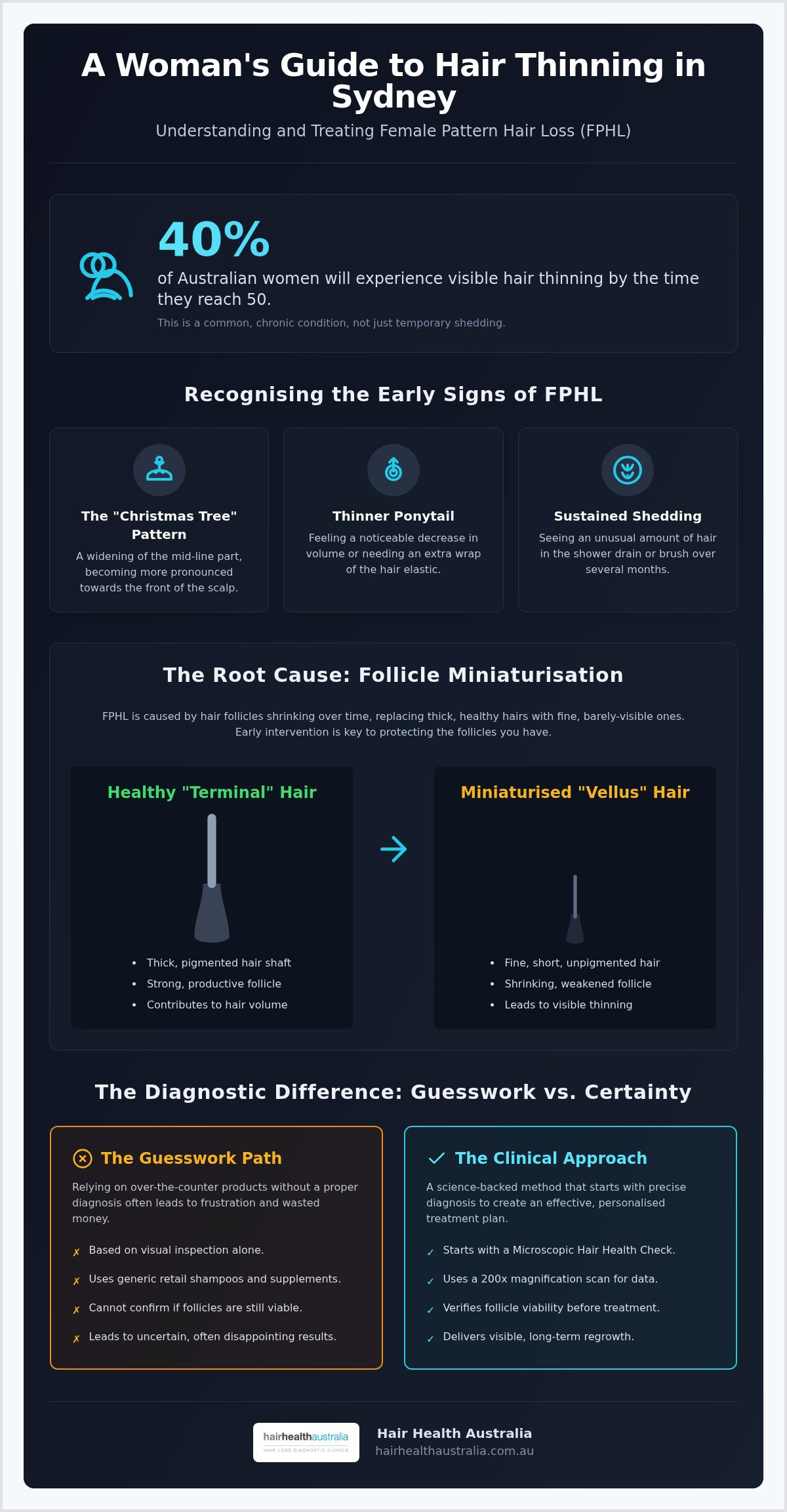
FPHL often presents as a widening of the part line, frequently described as a “Christmas tree” pattern where the thinning is most prominent at the front and tapers off. This condition is heavily influenced by hormonal shifts, particularly during menopause or the postpartum period, when oestrogen levels fluctuate and allow androgens to impact follicle health. Female pattern hair loss is a progressive condition that requires consistent clinical management.

Common Triggers for Sudden Hair Fall

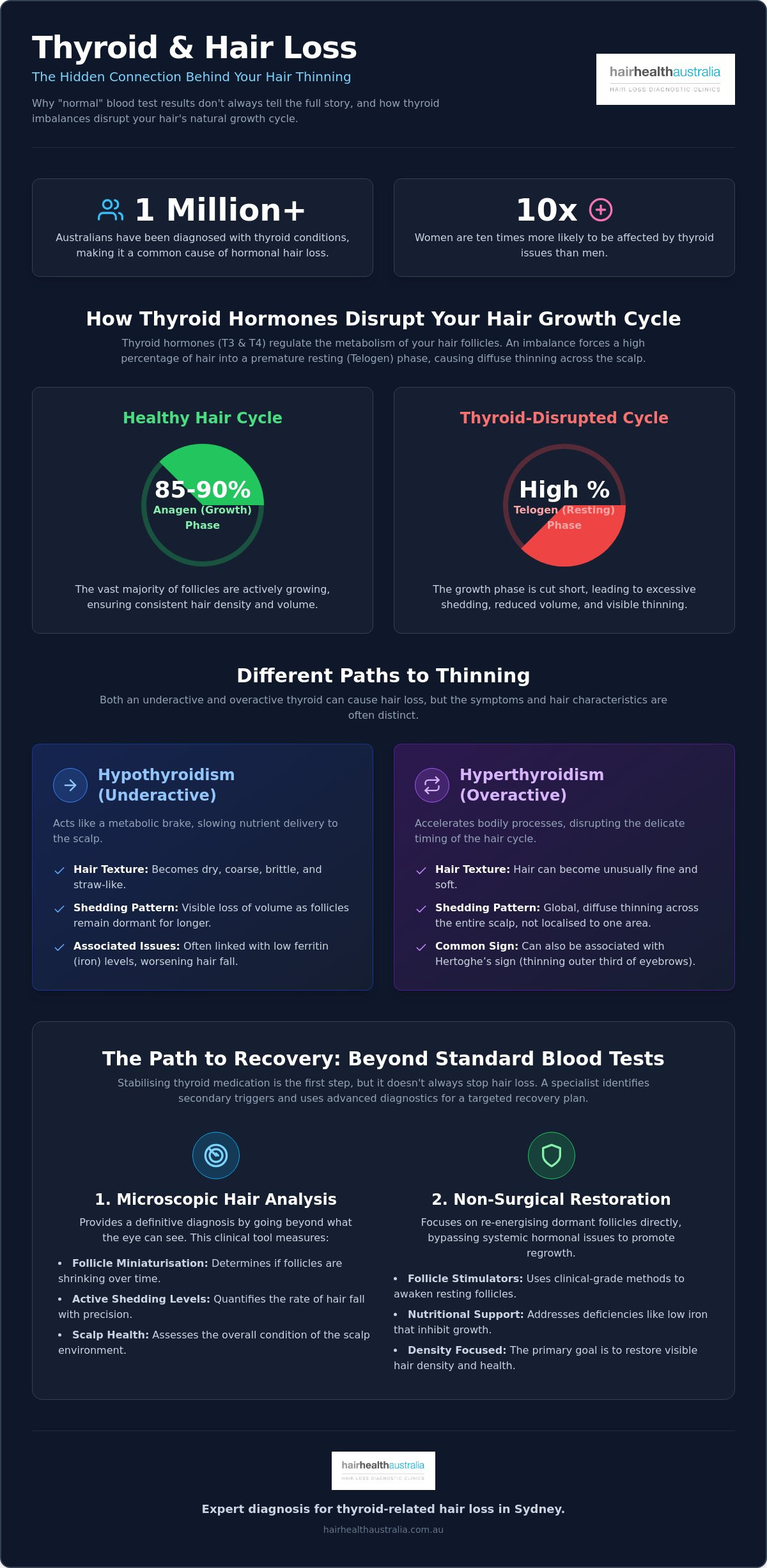
While genetics play a significant role, several internal factors can accelerate hair shedding. Australian women frequently experience thinning due to iron deficiency (ferritin levels) or thyroid imbalances, which disrupt the hair’s natural growth cycle. High-stress levels can also push a large percentage of hairs into a resting phase prematurely. While a general practitioner is an excellent starting point for blood tests to rule out systemic issues, a specialised clinic is necessary to manage the actual regrowth process. A comprehensive hair health check can bridge the gap between a medical diagnosis and a practical treatment plan that restores your hair’s volume and vitality.

The Role of Microscopic Analysis in Modern Diagnostics

Traditional visual inspections are no longer the gold standard for identifying the cause of thinning. A quick glance at the scalp cannot reveal the complex biological shifts happening within the follicle. Modern diagnostics in Sydney now rely on high-magnification scanning to identify miniaturisation, which is the process where hair strands become progressively finer and shorter before they eventually stop growing altogether. This proactive approach allows for a far more effective hair fall treatment for ladies by intervening while the follicle is still active and capable of recovery.

A thorough clinical assessment of female hair loss involves more than just identifying thinning areas. It requires a detailed look at scalp health to check for micro-inflammation, excessive sebum build-up, or blocked pores that might be hindering healthy growth cycles. By gathering this objective data, specialists can move away from generic “one-size-fits-all” remedies and create a personalised regrowth roadmap that’s tailored specifically to your scalp’s unique environment and biological needs.

What Happens During a Professional Hair Health Check?

During a microscopic hair analysis, a specialised high-definition camera is used to scan different zones of the scalp, including the crown, temples, and occipital area. We measure the average hair diameter and calculate the exact number of active follicles per square centimetre. This data isn’t just for the initial diagnosis; it establishes a vital baseline for your entire journey. Since hair growth is a slow physiological process, having these precise metrics allows us to track your progress objectively over a 6 to 12-month period. It provides the clarity needed to ensure the chosen clinical therapies are delivering the promised increase in hair density.

Why “Trial and Error” is Your Hair’s Worst Enemy

Wasting months on ineffective retail products is more than just a financial drain; it’s a loss of critical time that your hair follicles may not have. Every month spent on a “miracle” serum or an unverified supplement that doesn’t work is a month where follicle miniaturisation may continue unchecked, making future hair fall treatment for ladies more challenging. Seeking trichologist led insights provides a level of clinical precision that retail advice or online forums simply cannot match. A professional diagnosis saves money in the long run by eliminating expensive guesswork and focusing your investment on proven, non-surgical therapies. If you’re ready to stop the cycle of trial and error, a professional assessment is the most reliable way to understand your unique hair profile and start a results-oriented recovery plan.

Hair Fall Treatment for Ladies: The 2026 Sydney Resource Guide

Comparing Non-Surgical Treatment Options for Australian Women

The landscape of hair fall treatment for ladies has evolved significantly in 2026. While surgery was once considered the primary solution for advanced thinning, the focus has shifted toward sophisticated, non-invasive clinical programmes. Most women in Sydney now prefer these pathways because they avoid the risks, costs, and recovery times associated with surgical procedures. The goal of modern treatment is to preserve existing hair while revitalising dormant follicles through a combination of biological and technological interventions.

A major trend in 2026 is the move toward multi-modal programmes. Relying on a single product often leads to underwhelming results because hair loss is rarely caused by a single factor. By combining different techniques, such as clinical topicals, light therapy, and nutritional support, we can address the follicle from multiple angles simultaneously. It is important to maintain realistic expectations regarding the recovery timeline. Clinical data confirms that most pharmacological treatments require a minimum of six months to show visible improvement, as this allows the follicles to transition through a full growth cycle.

Clinical Regrowth Programmes vs. Over-the-Counter Solutions

The primary distinction between professional programmes and over-the-counter (OTC) options is the potency and delivery of the active ingredients. Clinical-grade topicals are often formulated with higher concentrations and specific enhancers that help the treatment bypass the scalp’s natural barrier. Furthermore, professional clinics often utilise low-level laser therapy to stimulate cellular energy within the hair bulb. This process, known as photobiomodulation, encourages follicles to remain in the growth phase for longer periods. Selecting a bespoke female hair thinning treatment ensures that your plan is based on clinical evidence rather than generic retail promises. For a deeper understanding of how TGA-regulated therapies and medical protocols compare, exploring the full range of female hair loss treatment options available in Sydney can help you make a more informed decision about your care pathway.

Nutritional and Lifestyle Support for Hair Health

Your internal health provides the foundation for any external treatment. Key nutrients like Biotin, Zinc, and Vitamin D are essential for the synthesis of keratin, the protein that makes up your hair. Beyond nutrition, lifestyle habits in Sydney can also impact hair density. For example, the popularity of tight “slicked-back” hairstyles can lead to traction alopecia, where constant tension damages the follicle over time. Proper scalp hygiene is also vital to prevent micro-inflammation that can stifle growth. Integrating a professional female scalp treatment into your routine helps maintain a clear and healthy environment, allowing your regrowth programme to perform at its peak.

Resource Checklist: How to Choose the Right Treatment

Selecting a clinical partner is a critical step in your recovery journey. With various options available across Sydney, it’s easy to feel overwhelmed by competing marketing claims. A professional hair fall treatment for ladies should be built on transparency and realistic expectations rather than hyperbolic promises. You deserve a provider who prioritises a systematic, evidence-based approach over high-pressure sales tactics. Evidence of success should be clear; always ask to see “before and after” documentation from real female clients who have experienced similar thinning patterns.

Red flags are often easy to spot if you know what to look for. Be cautious of any provider offering “guaranteed” cures or “miracle” results within weeks. Biological regrowth is a slow process that follows the natural hair cycle, and no reputable specialist will promise 100% restoration for every individual. Instead, look for a clinic that emphasises ongoing support and regular progress monitoring. This ensures your programme remains effective as your scalp environment changes and your follicles respond to the clinical interventions.

Questions to Ask During Your Consultation

  • Does this programme address my specific type of hair loss, such as androgenetic alopecia or telogen effluvium?
  • What are the expected milestones I should look for at the 3, 6, and 12-month marks?
  • Are the recommended therapies strictly non-surgical and backed by clinical research?

The 5-Point Selection Framework

Use this framework to evaluate potential providers and ensure you’re receiving the highest standard of care:

  • 1. Diagnostic Accuracy: Confirm that a microscopic scan is a non-negotiable part of the initial consultation to identify follicle miniaturisation.
  • 2. Customisation: Ensure the plan is tailored to your specific hormone profile, nutritional status, and lifestyle factors.
  • 3. Transparency: All potential results, timelines, and costs should be clearly outlined before you begin.
  • 4. Expertise: Verify the clinic’s focus is on specialised hair restoration treatment rather than general cosmetic services.
  • 5. Local Support: The clinic should be accessible for regular check-ins in Sydney to track your progress and adjust your plan as needed.

If you’re ready to move past the confusion of conflicting advice, the first step is a professional assessment. You can book a comprehensive hair health check today to gain the clarity and clinical data needed to start your regrowth journey with confidence.

Personalised Recovery at Hair Health Australia

At Hair Health Australia, we understand that hair thinning is more than just a cosmetic concern; it’s a deeply personal issue that requires both clinical precision and a compassionate approach. Our Sydney based clinic is dedicated to providing evidence-based hair fall treatment for ladies, focusing entirely on non-surgical regrowth strategies that target the root cause of thinning. We don’t rely on generic retail products or unverified remedies. Instead, we use systematic protocols designed to stimulate the follicle and restore hair density through proven biological pathways.

Our commitment to science-based care means we prioritise realistic expectations above all else. We provide a transparent assessment of what can be achieved based on your unique scalp health, hormonal profile, and the current stage of thinning. This “straight-talking” honesty builds a foundation of trust, ensuring you feel informed and confident throughout every phase of your recovery. By combining modern diagnostic technology with an empathetic understanding of your concerns, we replace uncertainty with a clear, actionable roadmap to thicker hair.

Your Journey Starts with a Hair Health Check

The first step in any successful regrowth plan is an accurate diagnosis. We invite you to book an initial microscopic analysis at our Sydney centre, where we use high-definition imaging to assess your scalp environment and follicle health in detail. This process takes place in a supportive, private environment designed to make you feel at ease from the moment you arrive. We offer a partner-led journey, not just a service. By establishing this data-driven baseline, we can track your progress with absolute clarity and adjust your programme to ensure you achieve the best possible outcomes.

Book a Consultation in Our Sydney Clinic

Taking the first step toward recovery can feel daunting, but it’s never too late, or too early, to seek professional help. Whether you’ve just noticed a slight widening of your part line or have been managing thinning for several years, our team is here to provide a confidential discussion about your options. We provide the expertise and clinical tools necessary to move away from the frustration of conflicting advice and toward a structured recovery plan. Our Sydney specialists are ready to guide you through the science of hair restoration and help you regain your confidence.

Organise your Hair Health Check at our Sydney clinic today.

Take the Next Step Toward Restoring Your Hair Density

Addressing female hair thinning requires a transition from reactive retail purchases to a structured clinical approach. By utilising specialised microscopic diagnostic technology, you can identify the precise cause of shedding and implement a plan that targets the follicle directly. This evidence-based path ensures that your time and investment are focused on non-surgical regrowth protocols that deliver measurable results. Choosing an effective hair fall treatment for ladies is ultimately about replacing uncertainty with the clarity of a professional diagnosis.

The data doesn’t lie. Hair Health Australia brings over 15 years of clinical experience in Sydney to your recovery journey, offering a partnership grounded in transparency and scientific precision. We don’t believe in “one-size-fits-all” solutions. Instead, we prioritise data-driven care that respects your unique biological needs. If you’re ready to stop the cycle of trial and error, it’s time to consult with a specialist who understands the complexities of female hair loss treatment and the medical options available to you in Sydney.

Book Your Comprehensive Hair Health Check in Sydney today to begin your journey. You have the power to take control of your hair health and restore your confidence with a plan designed specifically for you.

Frequently Asked Questions

Is hair fall treatment for ladies permanent?

Maintaining the results of a clinical programme for progressive thinning generally requires a long-term commitment. While temporary shedding phases caused by stress or illness can be resolved permanently by addressing the trigger, genetic thinning is a chronic condition. Consistent application of your prescribed protocol ensures that the hair follicles remain active and healthy, preventing the return of miniaturisation once regrowth has been achieved.

Can stress really cause my hair to fall out in clumps?

Significant emotional or physical stress can trigger Telogen Effluvium, a condition where a large number of hairs enter the resting phase simultaneously. This often results in noticeable shedding approximately three months after the stressful event. While it’s alarming to see hair falling out in larger volumes, this type of shedding is typically temporary and often resolves once the body’s internal balance is restored.

How long does it take to see results from a non-surgical programme?

Patients should expect to wait a minimum of six months to see visible clinical improvement from a non-surgical hair fall treatment for ladies. This timeline is dictated by the natural biological growth cycle of the hair follicle. Initial changes often involve a reduction in excessive shedding, followed by a gradual increase in hair diameter and overall density as new growth reaches the scalp surface.

Are there any side effects to clinical hair treatments for women?

Most non-surgical clinical therapies are well-tolerated, though some individuals might experience minor localised effects. Topical applications can occasionally cause mild scalp redness or dryness as the skin adjusts to the active ingredients. During your initial consultation, a specialist reviews your medical history to ensure the chosen protocol is appropriate for your skin sensitivity, minimising the risk of any adverse reactions.

Can I regrow hair after menopause?

Regrowth is possible after menopause, provided the hair follicles haven’t become completely dormant. The drop in oestrogen during this life stage often accelerates thinning, but targeted clinical treatments help counteract these hormonal shifts. By using follicle stimulants and addressing scalp health, many postmenopausal women achieve significant improvements in hair volume and manageability through a structured non-surgical programme.

Does wearing my hair in a bun cause hair loss?

Frequently wearing tight hairstyles like buns or high ponytails can lead to a specific type of hair loss called Traction Alopecia. The constant tension pulls on the hair follicles, which can eventually cause permanent damage and scarring if the habit isn’t corrected. To protect your hair density, it’s advisable to opt for looser styles and avoid using restrictive elastic bands that place excessive stress on the hairline.

How much does a professional hair loss consultation cost in Sydney?

Consultation fees in Sydney vary depending on the depth of the diagnostic tools used, such as microscopic scalp analysis. It’s best to contact a clinic directly to confirm their current assessment rates and what the session involves. A professional consultation provides a comprehensive overview of your hair health, giving you a clear understanding of the necessary steps before you commit to a long-term treatment plan.

Is female pattern baldness reversible?

Female pattern thinning is a progressive condition that can be successfully managed and improved through early intervention. It’s generally not possible to reverse the condition entirely to its original state, but you can certainly revitalise miniaturising follicles to increase hair density. The key is to start a hair fall treatment for ladies while the follicles are still active, as dormant follicles are much harder to stimulate.

Why Is My Hair Falling Out? A Clinical Guide to Hair Loss Causes in 2026

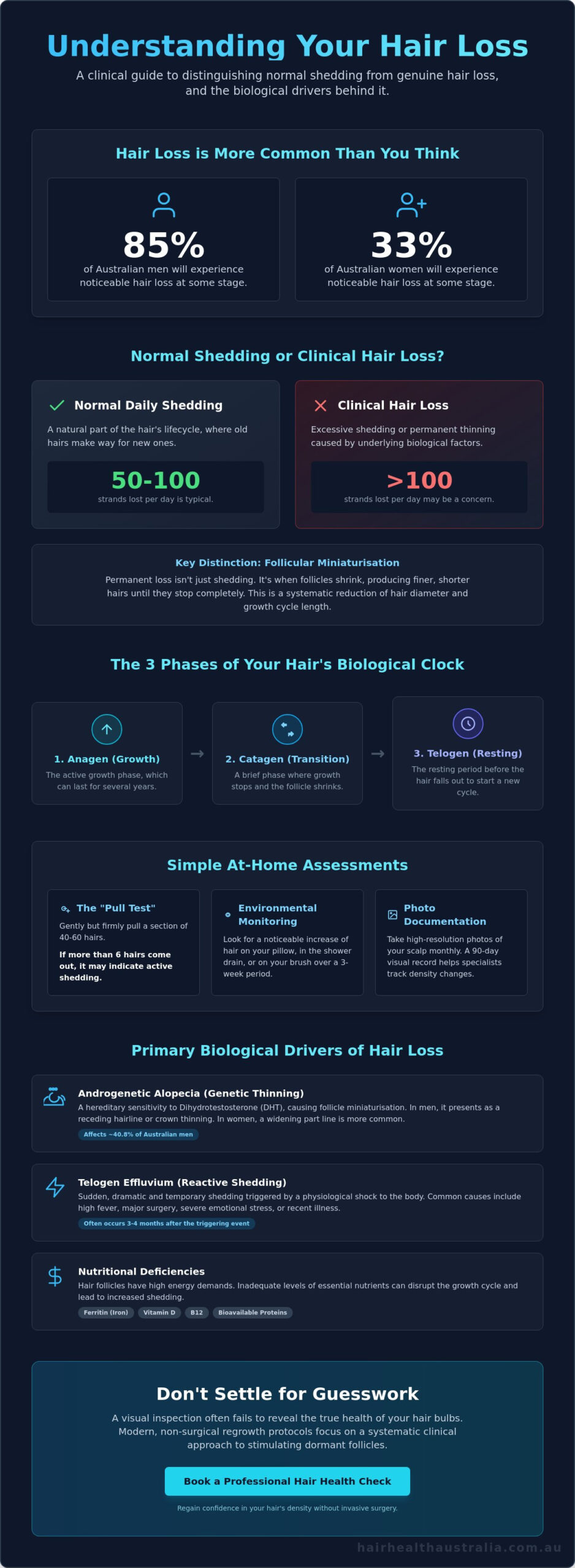
You wake up, glance at your pillow, and notice more strands than usual. It’s a quiet moment of panic that leads to the frantic search for why my hair loss is happening right now. While losing up to 100 hairs a day is biologically normal, noticing visible thinning or a receding hairline often signals a deeper shift. With approximately 85% of men and 33% of women experiencing hair loss at some stage, you aren’t alone in this frustration.

We understand that the confusion between temporary stress-related shedding and permanent genetic balding can be overwhelming. This guide provides the clinical clarity you need to recognise your specific biological and environmental triggers. You’ll discover how to distinguish between routine shedding and clinical loss, ensuring you don’t settle for guesswork. We’ll also preview the latest non-surgical regrowth pathways available in Sydney, helping you regain confidence in your hair’s density without the need for invasive surgery.

Key Takeaways

  • Distinguish between the natural shedding of up to 100 strands daily and clinical conditions like telogen effluvium that require professional intervention.
  • Uncover the biological triggers behind why my hair loss is occurring, from genetic DHT sensitivity to the physiological impact of recent illness or severe stress.
  • Understand why visual inspections and standard blood tests often fail to reveal the health of your hair bulbs, requiring a more systematic clinical approach.
  • Learn how to stabilise your hair density by identifying health triggers from three to four months ago and optimising your intake of bioavailable proteins.
  • Gain clarity on modern non-surgical regrowth protocols in Sydney that focus on stimulating dormant follicles without the need for invasive transplant surgery.

Is It Normal Shedding or Clinical Hair Loss? Defining the Threshold

Understanding the distinction between daily maintenance and a clinical issue is the first step toward clarity. Every follicle on your scalp operates on a precise biological clock consisting of three distinct phases. The Anagen phase is the active growth period, which typically lasts several years. This is followed by the Catagen phase, a brief transition where growth stops and the follicle shrinks. Finally, the hair enters the Telogen phase, a resting period that culminates in the hair falling out to make room for a new strand.

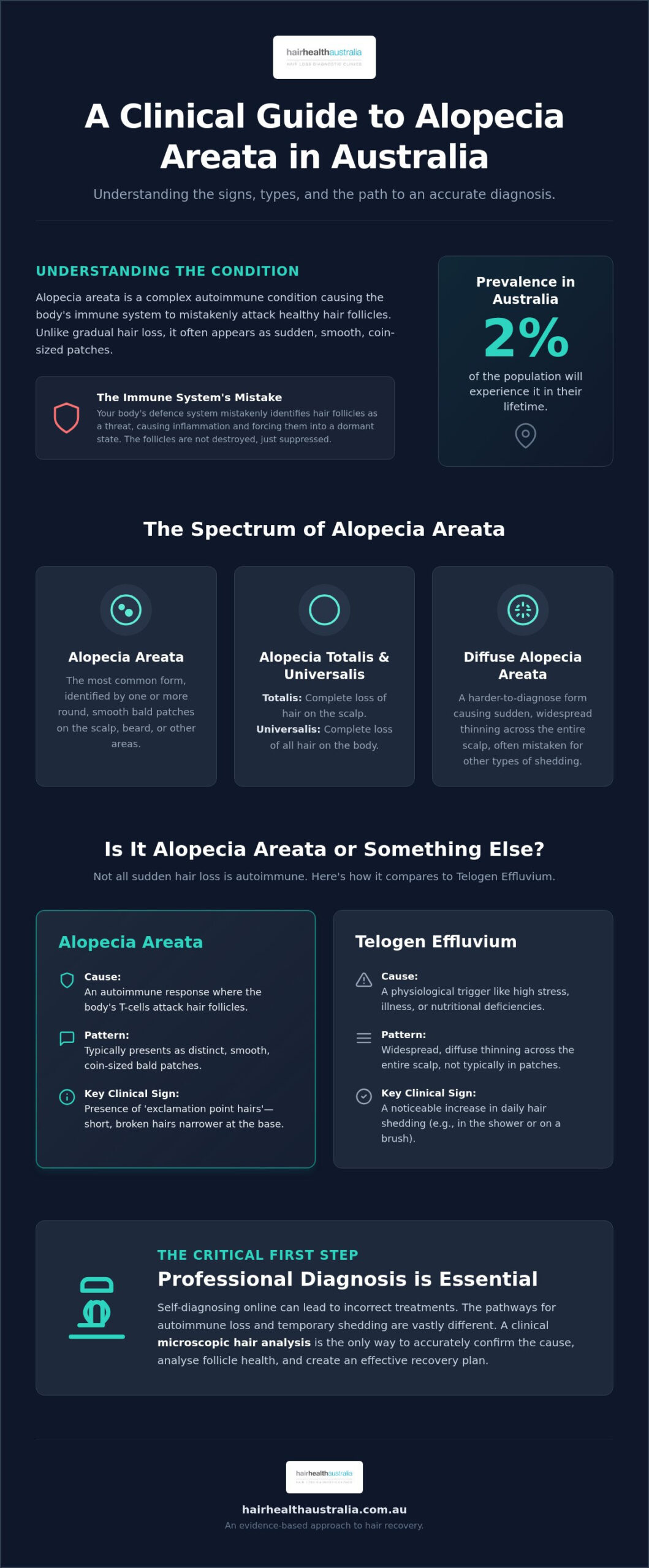
Normal hair shedding involves losing between 50 and 100 strands per day as part of this natural replacement process. When the volume of hair on your brush or pillow exceeds this threshold, it is often classified as telogen effluvium, or excessive shedding. This is frequently the moment people begin to ask why my hair loss is suddenly noticeable. While shedding is a cycle-based event, permanent thinning is driven by follicular miniaturisation. This occurs when the follicle produces increasingly finer, shorter hairs until it eventually stops production altogether. In a clinical sense, hair loss is the systematic reduction of follicle diameter and cycle length.

The “Pull Test” and Other At-Home Observations

You can assess your current shedding levels by performing a simple pull test. To do this safely, grasp a small section of roughly 40 to 60 hairs between your thumb and forefinger and tug firmly but gently away from the scalp. If more than six hairs come away, it suggests you are experiencing active shedding rather than routine loss. Monitor your environment for changes; excessive strands in the shower drain or a noticeable increase of hair on your pillowcase are key indicators. If these signs persist for more than three weeks, we recommend a professional hair health check to identify the underlying cause.

Why Timing Matters: Sudden vs. Gradual Loss

The speed at which you lose hair provides vital clues for a diagnosis. Sudden loss, where hair falls out in large clumps or over a few days, often signals a physiological shock to the body, such as high fever, surgery, or extreme emotional stress. Conversely, gradual thinning that develops over years usually indicates androgenetic factors, such as a receding hairline or a widening part. We suggest documenting your scalp with high-resolution photos once a month. Over a 90-day period, these images provide a clear visual record that helps a specialist determine if your density is truly declining or if you are experiencing a temporary shedding phase.

The Primary Biological Drivers: Why Your Follicles Are Struggling

To move beyond the surface level of why my hair loss is occurring, we must examine the internal mechanisms that dictate follicle health. While environmental factors play a role, the primary biological drivers of hair loss are often rooted in hormonal shifts and cellular energy deficits. When these systems are disrupted, the follicle loses its ability to sustain a robust growth cycle, leading to the visible thinning many Australians first notice in their 30s or 40s.

The most common biological triggers include:

  • Androgenetic Alopecia: A hereditary sensitivity to androgens that affects approximately 40.80% of Australian men and a significant portion of women.
  • Telogen Effluvium: A temporary but dramatic shedding phase triggered by physical trauma, major surgery, or severe emotional upheaval.
  • Nutritional Deficiencies: Inadequate levels of ferritin (stored iron), Vitamin D, and B12, which are essential for the high-energy demands of hair cell production.
  • Scalp Inflammation: Chronic conditions or excessive sebum buildup that can compromise the follicle’s environment, as detailed in our guide on scalp health and hair loss.

The Role of DHT in Male and Female Pattern Baldness

Dihydrotestosterone (DHT) is a potent androgen derived from testosterone. In individuals with a genetic predisposition, DHT binds to receptors in the scalp follicles, causing them to miniaturise over time. In men, this typically manifests as a receding hairline or thinning at the crown. Women usually experience a more diffuse thinning across the top of the scalp, often noticed as a widening part line. Because these follicles are physically shrinking, early intervention is vital to maintain existing density. Understanding how to improve hair density through targeted clinical protocols can make a significant difference in reversing this miniaturisation process before it progresses further.

Environmental and Lifestyle Triggers in Australia

Living in Australia introduces specific challenges to hair integrity. The intense UV index can degrade the protective proteins in the hair shaft, while the mineral content in the water of our major cities can lead to buildup that dulls the hair and irritates the scalp. Additionally, the high-pressure professional environments found in centres like Sydney can lead to elevated cortisol levels, which is a known disruptor of the hair growth cycle. If you’ve noticed a change in your hair’s texture or volume, a professional hair health check can provide the diagnostic data needed to create a targeted recovery plan.

Why Is My Hair Falling Out? A Clinical Guide to Hair Loss Causes in 2026

Why a Visual Inspection Is Not a Diagnosis

Many people spend hours in front of the bathroom mirror trying to decipher why my hair loss is progressing. While a receding hairline or a widening part is visible to the naked eye, the mirror cannot show you what is happening beneath the surface at the follicular level. A visual check only captures the result of a biological process, not the cause. To truly understand the health of the hair bulb, we must look at the microscopic environment where the hair is produced.

Professional diagnosing hair loss requires more than just an external observation. Standard blood tests are useful for identifying systemic issues like iron deficiency or thyroid dysfunction. However, they often fail to detect localised scalp issues such as dihydrotestosterone (DHT) sensitivity or chronic micro-inflammation. These localised factors are frequently the primary drivers of thinning, yet they remain invisible without clinical tools. We utilise Microscopic Hair Analysis as the clinical gold standard for non-surgical diagnosis. This process allows us to distinguish between “active” follicles that are simply struggling and “dormant” follicles that have ceased production. Identifying this distinction is critical because it determines the potential success of any regrowth program.

What Microscopic Scanning Reveals

High-magnification scanning identifies specific markers that define your unique hair profile. This include identifying sebum blockages that may be stifling follicle breathability and scalp inflammation that disrupts the hair growth cycle. We also measure the ratio of terminal hairs, which are thick and pigmented, to vellus hairs, often described as “peach fuzz.” Follicular miniaturisation levels are measured precisely to track the progression of genetic thinning. Microscopic scans provide a comprehensive biological blueprint for a personalised treatment plan.

The Hair Health Check: Your Diagnostic First Step

In our Sydney clinic, a professional Hair Health Check serves as the foundation for your recovery journey. Most people waste hundreds of dollars on generic retail shampoos or “miracle” oils before understanding the root cause of their thinning. By identifying the specific “why” behind your hair loss, you can bypass ineffective products and invest in clinical protocols that actually target your follicles. This diagnostic approach is the only way to answer the question of why my hair loss is occurring with total clinical certainty. Working with a specialist who focuses exclusively on hair restoration ensures you receive evidence-based advice rather than retail-driven marketing.

Immediate Actions to Stabilise Your Hair Density

Once you identify that your shedding has moved beyond the normal threshold, your focus must shift from observation to stabilisation. Stabilising hair density requires a methodical approach that addresses both internal biological needs and the external scalp environment. By taking specific, evidence-based steps now, you can often arrest the progression of thinning while you prepare for a more comprehensive recovery plan.

We recommend following these five clinical steps immediately:

  • Step 1: Review your history. Look back at your medical records or personal calendar for triggers from three to four months ago. Because of the hair’s resting phase, the reason why my hair loss is visible today is often linked to a physiological shock, such as a high fever or severe stress, that occurred several months in the past.
  • Step 2: Optimise your intake. Ensure your diet includes bioavailable proteins and essential minerals like iron and zinc. Hair cells are some of the fastest-growing in the body, and they require significant metabolic energy to function correctly.
  • Step 3: Switch your cleanser. Replace generic supermarket shampoos with clinical-grade scalp cleansers. These are formulated to reduce micro-inflammation and remove excess sebum without stripping the hair of its natural protective oils.
  • Step 4: Reduce physical stress. Avoid high-tension hairstyles, such as tight ponytails or buns, and limit the use of high-heat styling tools. Physical trauma can lead to traction alopecia or worsen existing breakage.
  • Step 5: Seek professional analysis. Before starting any pharmacological treatments like minoxidil or finasteride, obtain a clinical diagnosis. Starting medication without a plan can lead to inconsistent results and unnecessary side effects.

Common Mistakes to Avoid When Losing Hair

The most dangerous strategy for genetic thinning is the “wait and see” approach. Unlike temporary shedding, androgenetic alopecia is progressive; once a follicle has fully miniaturised and ceased production, it cannot be revived. Many people also fall into the trap of buying unverified “miracle” cures online. These products often lack clinical testing and can delay you from seeking treatments that actually work. Be cautious with “natural” oils as well. While some have anti-inflammatory properties, applying thick oils directly to the scalp can clog follicles and exacerbate issues if not part of a structured protocol.

Supporting the Scalp Environment

A healthy scalp is the foundation for successful hair restoration treatment. Regular scalp exfoliation is necessary to remove dead skin cells and ensure proper follicle oxygenation. Managing your internal stress levels is also a physiological requirement for hair retention, as chronic cortisol elevation can prematurely push follicles into the resting phase. If you’re ready to stop the guesswork and start a verified stabilisation plan, we invite you to book a professional Hair Health Check at our Sydney clinic today.

Professional Non-Surgical Recovery in Sydney

The landscape of hair restoration has shifted significantly toward evidence-based, non-invasive protocols. While many assume that a transplant is the only permanent solution, modern clinical science offers sophisticated pathways to restore density without surgery. These non-surgical regrowth programs prioritise the health of the existing follicle, using targeted stimulation to reverse miniaturisation and extend the growth phase of the hair cycle. This transition from reactive guesswork to proactive science allows for a more sustainable and less invasive recovery journey. For those seeking a structured approach, our 2026 clinical checklist on how to improve hair density outlines the latest evidence-based steps for achieving thicker, fuller hair without surgery.

At Hair Health Australia, we specialise in personalised Male Hair Loss Treatment and Female Hair Loss Treatment. We don’t believe in a “one-size-fits-all” retail product. Instead, we implement multi-faceted clinical protocols designed to stimulate dormant follicles that have been suppressed by DHT or environmental stress. By addressing the specific biological reason for why my hair loss is happening, we can create a hospitable environment for new, thicker growth to emerge. This methodical approach ensures that every treatment is grounded in your unique diagnostic data rather than general assumptions. Our focus remains on delivering realistic, evidence-based results that restore both your hair density and your confidence.

What to Expect from a Clinical Regrowth Program

Patience is a fundamental requirement for any successful restoration journey. Because the hair growth cycle is a slow biological process, the typical timeline for seeing visible changes is between four and six months. This period represents the minimum time needed for follicles to transition from the resting phase back into active growth. To ensure transparency, we track your progress using comparative microscopic photography. This allows you to see the tangible improvements in follicle diameter and scalp health that may not be immediately obvious in a standard mirror. Our clinic provides a supportive, medically-backed environment where your concerns are met with clinical expertise and clear, honest communication.

Your Path Forward: From Worry to Action

Answering the question of why my hair loss is occurring is the most critical step you can take toward recovery. Guesswork often leads to wasted time and resources on products that aren’t suited to your specific type of thinning. By moving from a state of uncertainty to a state of clinical action, you regain control over your hair’s future. A professional scan reveals the hidden “blueprint” of your scalp health, providing the clarity needed to choose the right recovery path. If you are ready to stop the thinning and start the restoration process, we invite you to book your Hair Health Check at our Sydney clinic today.

Take Control of Your Hair Restoration Journey

Moving beyond the initial uncertainty of thinning starts with a commitment to clinical clarity. You now understand that the distinction between routine shedding and permanent loss is found beneath the scalp surface, where follicular miniaturisation dictates your future density. By choosing microscopic analysis over a simple visual inspection, you replace retail guesswork with a verified biological blueprint. Whether your concerns are driven by genetics, stress, or nutritional gaps, the path to recovery is built on a tailored, non-surgical foundation.

Identifying the precise biological driver behind why my hair loss is progressing allows for a more efficient and effective restoration plan. As non-surgical regrowth specialists serving Sydney since 2009, we utilise advanced microscopic hair and scalp analysis to create these personalised pathways. Our clinically-backed protocols are designed to support your follicles without the need for invasive surgery.

If you’re ready to move from worry to action, Book Your Clinical Hair Health Check in Sydney today. Your hair density can be restored, and we are here to provide the expert guidance you need to achieve lasting results.

Frequently Asked Questions

Why is my hair falling out so much all of a sudden?

Sudden shedding is typically a clinical condition known as telogen effluvium. This occurs when a significant physiological shock, such as a high fever, major surgery, or severe nutritional deficiency, pushes a large percentage of follicles into the resting phase simultaneously. Because of the timing of the hair cycle, you usually notice this increased fallout three to four months after the triggering event has occurred.

Can stress really cause my hair to fall out in clumps?

High levels of cortisol resulting from severe emotional or physical stress can certainly disrupt the hair growth cycle. While this usually results in diffuse thinning across the entire scalp, it can sometimes appear more dramatic during brushing or washing. It is vital to manage the underlying stressor, but a clinical scan is also necessary to ensure the stress hasn’t triggered a more permanent genetic thinning process.

Will my hair grow back after it has fallen out?

Regrowth depends entirely on the health and activity of the hair follicle bulb. If the loss is temporary, such as shedding after a period of illness, the hair typically returns once the internal trigger is resolved. However, if the follicles have begun to miniaturise due to genetic factors, they require active clinical stimulation to produce thick terminal hairs again. Early intervention provides the best chance for restoration.

Is my hair loss permanent or temporary?

Temporary hair loss is often a reactive shedding phase that resolves within six months once the body returns to equilibrium. Permanent hair loss, or androgenetic alopecia, is a progressive condition where follicles physically shrink over time until they eventually cease production. Distinguishing between the two requires a microscopic analysis to check for signs of miniaturisation, which is the definitive hallmark of permanent thinning.

How can I tell if my hair loss is genetic?

Genetic thinning usually follows a predictable pattern, such as a receding hairline in men or a widening part line in women. While family history provides a strong clue, it is not a guarantee of your specific hair future. The most accurate way to identify genetic loss is through microscopic scanning, which reveals if follicles are shrinking in response to DHT, the primary driver for most permanent thinning.

What is the best treatment for thinning hair in Australia?

The most effective approach for thinning hair in Australia is a tailored, non-surgical clinical protocol that addresses your specific biological needs. Because every individual’s scalp environment is different, there is no single retail product that works for everyone. A professional diagnosis ensures you use the correct clinical ingredients to target why my hair loss is specifically occurring, rather than relying on generic solutions.

Does wearing a hat cause hair loss?

Wearing a hat does not cause hair loss, as your follicles receive their required oxygen from the bloodstream rather than the surrounding air. The only clinical exception is if the hat is exceptionally tight and worn for extended periods, which could potentially lead to traction alopecia. For most Australians, hats are actually beneficial as they protect the scalp and hair proteins from damaging UV exposure.

How much hair loss is considered normal in the shower?

Losing between 50 and 100 hairs per day is part of a healthy, normal hair growth cycle. You might notice a higher volume of strands in the shower drain, especially if you only wash your hair every few days, as the mechanical action dislodges hairs that have already reached the end of their resting phase. If you consistently notice large clumps or visible scalp thinning, a professional assessment is recommended.