Scalp Health for Hair Growth: The Clinical Guide to Follicle Reactivation

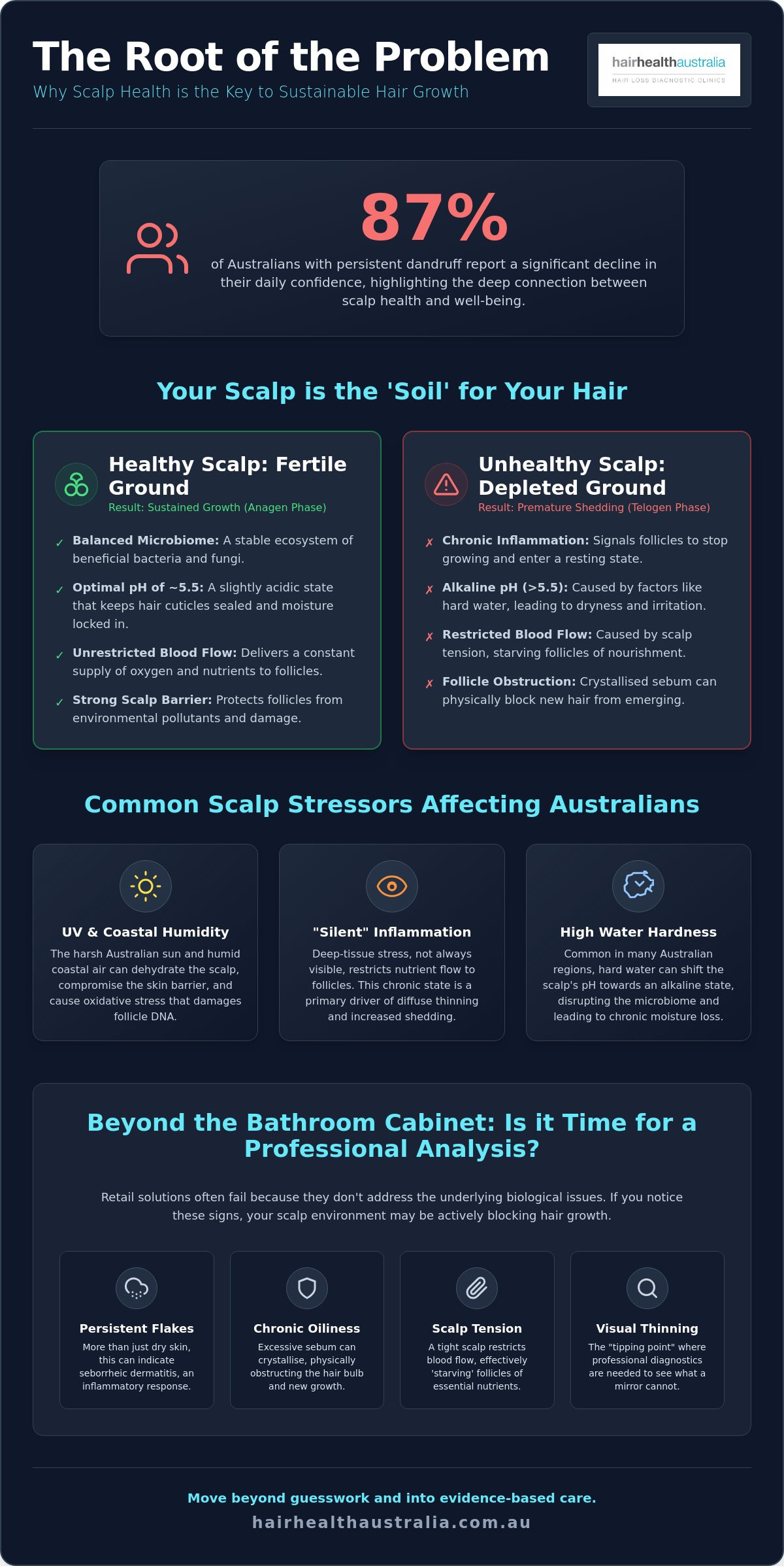
Did you know that 87% of Australians experiencing persistent dandruff report a significant decline in their daily confidence? It’s a common frustration to find your bathroom cabinet full of specialised shampoos while you still notice visible thinning at the crown or hairline. The reality is that scalp health for hair growth is far more complex than just keeping your hair clean. If you’ve been struggling with chronic oiliness or the anxiety of scalp ageing, you aren’t just dealing with a surface-level cosmetic issue. You’re likely facing a disruption in the biological environment your follicles need to thrive.

We understand that the uncertainty of hair loss can be overwhelming, especially when you’ve tried every retail solution available. In this guide, we’ll explain the clinical link between your scalp’s microbiome and your hair’s density. You’ll learn how precise diagnostics can identify the specific physiological blocks preventing new growth. We also provide a clear path toward non-surgical clinical solutions in Sydney that focus on long-term follicle reactivation rather than temporary fixes. By moving beyond guesswork and into evidence-based care, you can finally unlock the path to sustainable regrowth.

Key Takeaways

  • Understand why your scalp is the biological “soil” that determines hair density and how a balanced microbiome supports follicle longevity.
  • Identify how chronic inflammation and restricted blood flow signal your follicles to stop growing and enter a premature resting phase.
  • Discover the unique impact of the Australian environment, including how UV exposure and coastal humidity can dehydrate the scalp and damage follicle DNA.
  • Learn practical methods to prioritise scalp health for hair growth, including establishing a clinical cleansing frequency tailored to your specific skin type.
  • Recognise the “tipping point” where visual thinning requires professional diagnostic analysis to identify underlying issues that a mirror cannot reveal.

Understanding Scalp Health: Why the ‘Soil’ Matters for Your Hair

Most people treat their scalp as an afterthought, yet it’s essentially a specialised extension of the skin on your face. To understand the structure of the human scalp is to recognise it as a complex organ with five distinct layers, each playing a role in supporting your hair. Scalp health is the optimal physiological state for follicle productivity. When this environment is balanced, your hair has the best possible chance to grow thick and strong.

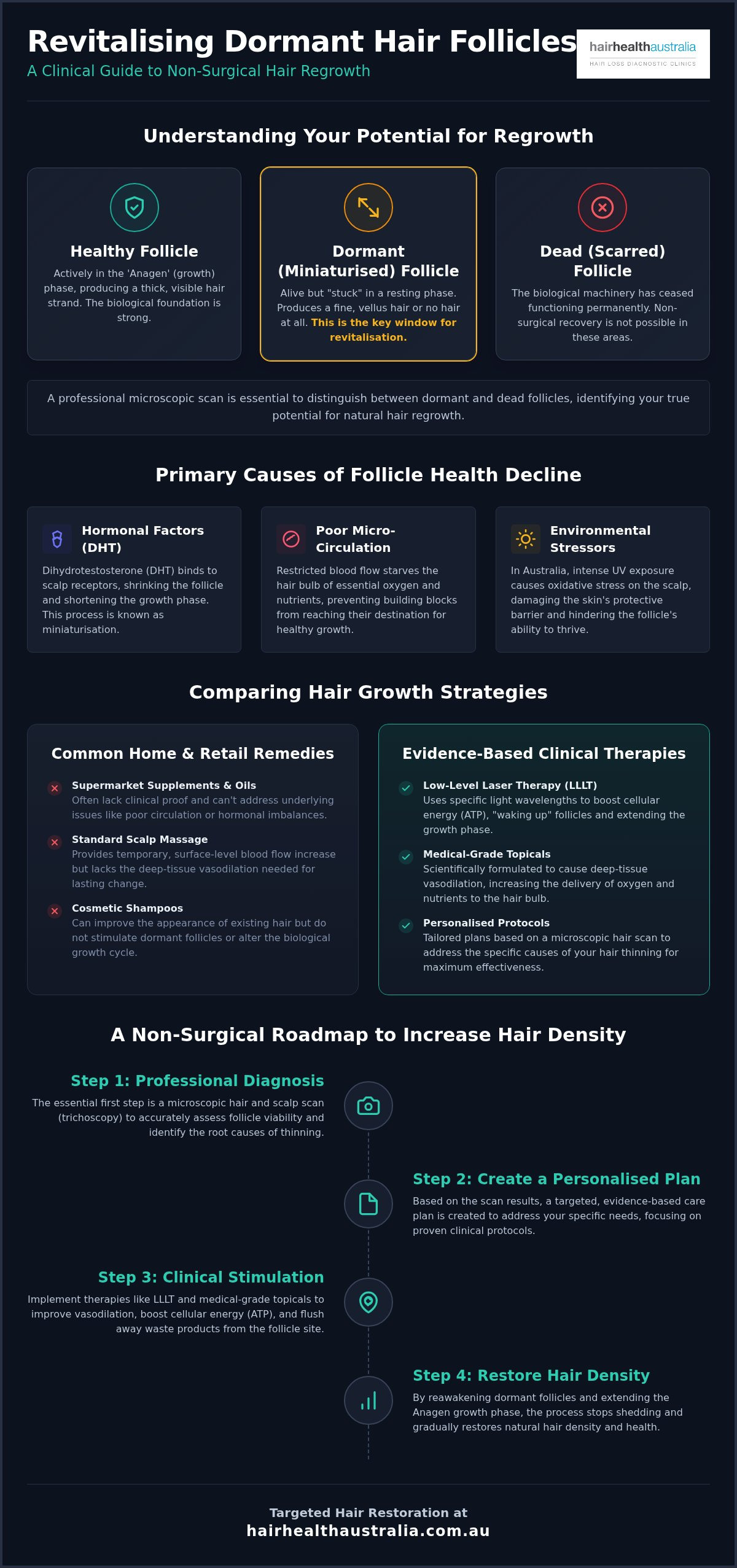
We often use the “garden and soil” metaphor in a clinical setting because it’s biologically accurate. Your hair follicles function like seeds; if the soil is depleted of nutrients, overly acidic, or congested with debris, the seed cannot sustain healthy growth. When we discuss scalp health for hair growth, we’re focusing on the preservation of this vital biological foundation. Without healthy “soil,” even the most expensive topical treatments will fail to produce results because the follicle remains suppressed by its surroundings.

A healthy scalp environment ensures that hair remains in the anagen, or growth, phase for its full intended duration. When the environment is compromised, follicles often receive chemical signals to enter the telogen (resting) phase prematurely. This shift results in increased shedding and a noticeable loss of density. Maintaining a stable environment is therefore the first step in any successful hair restoration journey.

The Scalp Microbiome and pH Balance

The scalp hosts a delicate balance of bacteria and fungi known as the microbiome. For this ecosystem to remain stable, the skin must maintain a slightly acidic pH of approximately 5.5. In many Australian regions, high water hardness can shift this balance toward an alkaline state. An alkaline pH above 5.5 can cause the hair cuticle to lift and lead to chronic moisture loss. This disruption often creates a scalp environment that’s vulnerable to irritation, which directly impacts scalp health for hair growth by stressing the follicles.

Signs of an Unhealthy Scalp Environment

Identifying a struggling scalp requires more than a quick look in the mirror. “Silent” inflammation is a condition where the skin appears normal to the naked eye, yet the underlying tissue is under stress, effectively restricting the follicle’s access to nutrients. While simple dandruff is often just temporary dry skin, seborrheic dermatitis is a persistent inflammatory response that requires clinical attention. Without intervention, excessive sebum can crystallise around the hair bulb, physically obstructing the emergence of new strands. If you’ve noticed persistent oiliness or thinning at the crown, a professional hair health check can help determine if your scalp environment is blocking your progress.

Chronic inflammation acts as a biological distress signal that directly interrupts the hair’s natural development. While surface-level irritation might cause temporary redness, deep-tissue follicular stress is a more significant concern for long-term density. When the scalp remains in a state of constant immune response, it signals the follicles to exit the anagen growth phase and enter the telogen resting phase prematurely. This biological shift is a primary driver of diffuse thinning and increased shedding. Understanding the role of scalp health for hair growth requires looking beneath the surface to see how these inflammatory markers suppress follicle activity, often necessitating internal support from providers like Relieve Therapeutics to help manage the body’s inflammatory response through targeted dietary supplements.

Physical factors like scalp tension also play a critical role in nutrient delivery. When the skin and underlying connective tissues are tight, blood flow to the capillaries feeding the hair bulb is restricted. Without a consistent supply of oxygen and essential nutrients, the follicle cannot sustain the energy-intensive process of hair production. A compromised scalp barrier further complicates this by allowing environmental pollutants and toxins to penetrate deeper into the dermis. These external stressors trigger a cascade of free radical damage, creating a hostile environment for even the most resilient follicles.

Follicular Miniaturisation vs. Scalp Conditions

Genetic predispositions, such as the common men hair loss pattern, are frequently accelerated by poor scalp conditions. Scientific research regarding scalp condition and oxidative stress confirms that an unhealthy environment leads to premature follicle shrinking. This process, known as miniaturisation, turns thick terminal hairs into fine vellus hairs over time. Because of this, any effective hair regrowth treatment Australia must first stabilise the scalp environment to prevent environmental factors from worsening genetic thinning. If you’re unsure whether your thinning is genetic or environmental, a professional hair health check can provide the clarity you need.

How Sebum Build-up Inhibits Growth

Sebum is essential for skin hydration, but when it overproduces and oxidises, it creates a physical “clogging” effect. This hardened oil can form a literal barrier around the follicular opening, making it difficult for new, fine hairs to emerge. This congestion also serves as a breeding ground for Malassezia, a yeast-like fungus that thrives on scalp oils. The presence of this fungus triggers further cycle-disrupting inflammation, creating a self-sustaining loop of poor scalp health for hair growth. Clinical deep cleansing is often necessary to remove these stubborn deposits and reset the growth environment.

Common Scalp Issues Affecting Australians in 2026

Australia’s unique climate presents a set of environmental stressors that are often overlooked in global hair care discussions. While many focus on the hair shaft, the impact of the harsh Australian sun on scalp DNA and collagen is profound. UV radiation doesn’t just burn the surface; it degrades the structural integrity of the skin, leading to a phenomenon known as “scalp ageing.” Sydney residents face a particularly complex scenario, where high urban pollution levels combine with intense UV exposure to create a “double hit” of oxidative stress that compromises the follicle’s ability to function. This environment requires a more sophisticated approach to maintenance than standard hair care routines provide.

Research indicates the scalp can lose elasticity even faster than facial skin, partly because it’s often left unprotected. This loss of elasticity can constrict the follicles, making it harder to maintain optimal scalp health for hair growth. For those living in coastal areas, salt spray acts as an osmotic dehydrator, pulling moisture from the scalp, while high humidity creates a breeding ground for micro-inflammation at the root. This results in hair that feels “frizzy” at the very base, a sign that the scalp barrier is struggling to regulate its own moisture levels.

UV Damage and Scalp Vitality

The link between sun-exposed skin and reduced hair density is backed by growing scientific evidence linking scalp condition to hair growth. The part line is the most vulnerable area, often bearing the brunt of direct UV rays. This constant exposure causes solar elastosis, where the skin becomes thickened and less receptive to nutrient delivery. For Australians who enjoy an active outdoor lifestyle, implementing protective clinical strategies is essential to prevent permanent follicle dormancy. Protecting the scalp’s vitality is just as important as using SPF on your face, yet it remains one of the most neglected aspects of hair preservation.

Product Build-up and Chemical Stress

Beyond the environment, lifestyle choices often introduce chemical stressors. The rise of dry shampoo usage has led to a surge in “follicle suffocation,” where heavy starches and silicones congest the scalp. In many Australian regions, “hard water” containing high mineral content leads to calcification on the scalp surface. This mineral layer acts like a barrier, preventing topical treatments from reaching their target. Additionally, many retail-grade hair dyes contain harsh sensitisers that trigger contact dermatitis, further disrupting the scalp health for hair growth. Identifying these triggers through a hair health check is the first step in restoring a healthy growth cycle.

Scalp Health for Hair Growth: The Clinical Guide to Follicle Reactivation

Practical Steps to Optimise Your Scalp for Maximum Regrowth

Achieving optimal scalp health for hair growth requires a shift from general hygiene to targeted clinical maintenance. While popular advice often suggests washing less to preserve natural oils, this can be counterproductive for those with overactive sebaceous glands. A customised cleansing frequency, determined by your specific skin type, ensures that debris is removed before it can crystallise and obstruct the follicle. This methodical approach transforms your daily routine into a functional treatment programme.

Clinical scalp massage is another vital tool for stimulating microcirculation. By applying gentle, rhythmic pressure, you encourage blood flow to the capillaries that nourish the hair bulb. For exfoliation, we recommend chemical exfoliants such as Salicylic Acid (BHA) or Lactic Acid (AHA) over traditional physical scrubs. These specialised ingredients dissolve the cellular “glue” and oxidised oils within the follicular opening without causing the micro-tears often associated with gritty supermarket products. Choosing medical-grade topicals ensures that the ingredients are bioavailable and pH-balanced to support, rather than strip, your skin’s natural defences.

Establishing a Clinical Scalp Care Routine

A professional-standard routine often begins with a double cleanse. The first wash removes surface pollutants and product residue, while the second wash allows active ingredients to penetrate the skin. Following this with a pH-balancing tonic helps re-establish the microbiome after water exposure. It is also critical to dry the scalp thoroughly using a cool or medium heat setting. Leaving the scalp damp for extended periods creates a humid microclimate that encourages the overgrowth of fungi like Malassezia, which we previously identified as a trigger for inflammation.

Nutritional and Lifestyle Factors for Scalp Vitality

Internal support is just as important as topical care. Omega-3 fatty acids and Zinc are essential for maintaining a robust lipid barrier, which prevents dehydration and irritation. High stress levels can also cause cortisol spikes that directly increase sebum production, leading to the congestion issues discussed in earlier sections. Consistent water intake remains the simplest and most effective way to prevent a dry, tight scalp environment. If you want to move beyond generic advice and develop a strategy tailored to your biology, we recommend booking a professional hair health check to assess your current scalp condition.

Beyond the Bathroom Cabinet: When to Seek Professional Scalp Analysis

Visual inspection in a bathroom mirror is often the first step people take when they notice changes, yet it remains fundamentally insufficient for a complete diagnosis. You might see thinning or redness, but you cannot see the biological state of the follicle itself. Identifying the “tipping point” is essential; if you’ve been consistent with high-quality home care for three to six months without improvement, your issues likely reside deeper than surface-level products can reach. At this stage, professional intervention becomes necessary to protect your remaining density. A professional hair health check provides a data-driven roadmap for recovery, moving you away from the cycle of trial and error.

Non-surgical clinical protocols offer a pathway to address thinning at the source by stabilising the environment before permanent follicle loss occurs. By moving beyond the bathroom cabinet, you gain access to medical-grade ingredients and technologies that are unavailable in the retail market. This clinical focus on scalp health for hair growth ensures that every action taken is based on your specific physiological needs rather than a “one-size-fits-all” marketing promise. Our role is to provide the clarity and expertise required to reactivate dormant follicles and restore your confidence through proven science.

The Role of Microscopic Hair and Scalp Scanning

Clinical diagnostics utilise specialised technology to see what the naked eye misses. Using 200x magnification reveals exactly how much oxidised sebum is obstructing the follicular opening and whether “silent” inflammation is present in the surrounding tissue. This level of detail allows us to measure hair density and diameter with precision, which is vital for tracking female hair regrowth treatment progress over time. When we can see the ratio of thick terminal hairs to fine vellus hairs, we can adjust your protocol based on hard data. This microscopic evidence is the foundation of a successful strategy for scalp health for hair growth.

Personalised Non-Surgical Treatment Plans in Sydney

Hair Health Australia’s clinical approach focuses on evidence-based restoration that addresses your unique biological profile. Retail products often fail because they cannot address complex alopecia treatment needs that require specific concentrations of active ingredients. Our protocols are designed to work with your body’s natural growth cycles to achieve sustainable results without the need for surgery. If you are ready to stop the uncertainty of home remedies, taking the first step is a simple, structured process. Booking a consultation at our specialised non-surgical hair loss clinic Sydney centre allows you to partner with a specialist who is committed to your long-term hair health.

Take the Next Step Toward Restored Hair Density

Maintaining optimal scalp health for hair growth is a precise biological requirement rather than a matter of simple hygiene. We’ve explored how chronic inflammation, environmental UV stress, and microbiome imbalances can suppress even the most resilient follicles. While retail products often offer temporary relief, sustainable results depend on addressing the physiological foundation of the hair cycle. By identifying the specific barriers within your scalp, you can move away from the uncertainty of supermarket solutions and toward a verified clinical path.

At our trusted Sydney clinic, we combine over 15 years of expertise with specialised microscopic scanning to provide an accurate diagnosis of your follicle health. Our clinically-backed, non-surgical regrowth programmes are designed to reactivate dormant follicles by restoring the ideal growth environment. You don’t have to navigate the complexities of hair thinning alone. Taking a proactive approach today can prevent further miniaturisation and secure the future of your hair.

Book Your Comprehensive Microscopic Hair Health Check in Sydney Today

With the right diagnostic data and a customised care plan, achieving thicker, healthier hair is a realistic and attainable goal. We look forward to helping you restore both your hair density and your confidence.

Frequently Asked Questions

Can a dirty scalp actually cause hair loss?

Yes, a congested scalp can indirectly lead to hair loss by triggering persistent follicular inflammation. When sebum and environmental pollutants accumulate, they create a physical barrier and a breeding ground for bacteria. This environment often prompts an immune response that signals follicles to exit the growth phase prematurely. Maintaining proper scalp health for hair growth requires a clean foundation to ensure that the follicles remain unobstructed and free from chronic irritation.

How often should I wash my hair to maintain a healthy scalp for growth?

Washing frequency should be determined by your specific skin type rather than a generic rule. Those with oily scalps typically require daily or alternate-day cleansing to prevent sebum crystallisation, while drier types may only need washing two to three times a week. The goal is to remove debris without stripping the essential lipid barrier. Using a pH-balanced, medical-grade cleanser helps maintain this delicate equilibrium for long-term follicle health.

What are the symptoms of an unhealthy scalp microbiome?

Symptoms of a disrupted microbiome include persistent itching, tenderness, or unusual changes in oil production. You might also notice a distinct odour or the sudden appearance of flakes that don’t respond to standard retail shampoos. These signs indicate that the balance of bacteria and fungi has shifted, often leading to “silent” inflammation. If left unaddressed, this imbalance can compromise the stability of the hair’s natural growth cycle.

Is it possible to regrow hair by just improving scalp health?

Improving the scalp environment can reactivate dormant follicles if the thinning was caused by environmental stressors or inflammation. By removing physiological blocks like hardened oils or fungal overgrowth, you create the necessary conditions for hair to emerge. However, if the loss is primarily genetic, optimising scalp health for hair growth serves as a vital foundation that enhances the efficacy of other clinical treatments. It’s often the first step in a broader restoration plan.

Does scalp massage really help with hair thickness?

Scalp massage is a clinically recognised method for improving hair thickness by stimulating microcirculation. Regular, rhythmic pressure increases the delivery of oxygen and nutrients to the capillaries surrounding the hair bulb. This mechanical stimulation also helps to reduce scalp tension, which can otherwise restrict blood flow. While it isn’t a standalone cure for genetic thinning, it’s a valuable practice for maintaining the vitality of active follicles.

What is the difference between a dry scalp and dandruff?

A dry scalp is a lack of hydration or natural oils, whereas dandruff is an inflammatory response typically linked to an overgrowth of yeast. Dry scalp flakes are usually small and white, often accompanied by dry skin elsewhere on the body. Dandruff flakes are typically larger, yellowish, and oily. Distinguishing between the two is essential because the clinical treatments required to resolve them are fundamentally different.

Can the Australian sun damage my hair follicles permanently?

Prolonged exposure to high UV levels in Australia can cause permanent damage to follicle DNA and the scalp’s collagen structure. This “solar elastosis” thickens the skin and reduces its elasticity, making it harder for follicles to sustain healthy hair production. Over time, chronic sun damage can lead to permanent thinning, especially along the part line. Using physical protection or specialised clinical topicals is necessary to mitigate these long-term risks.

When should I see a professional for my scalp issues?

You should seek professional analysis if your scalp issues persist for more than three months despite consistent home care. Other “red flags” include sudden patches of hair loss, visible thinning at the crown, or a scalp that feels tender to the touch. A clinical assessment can identify underlying issues that aren’t visible in a mirror. Early intervention is the most effective way to prevent temporary thinning from becoming permanent.

How to Prevent Female Hair Loss: A Clinical Guide for 2026

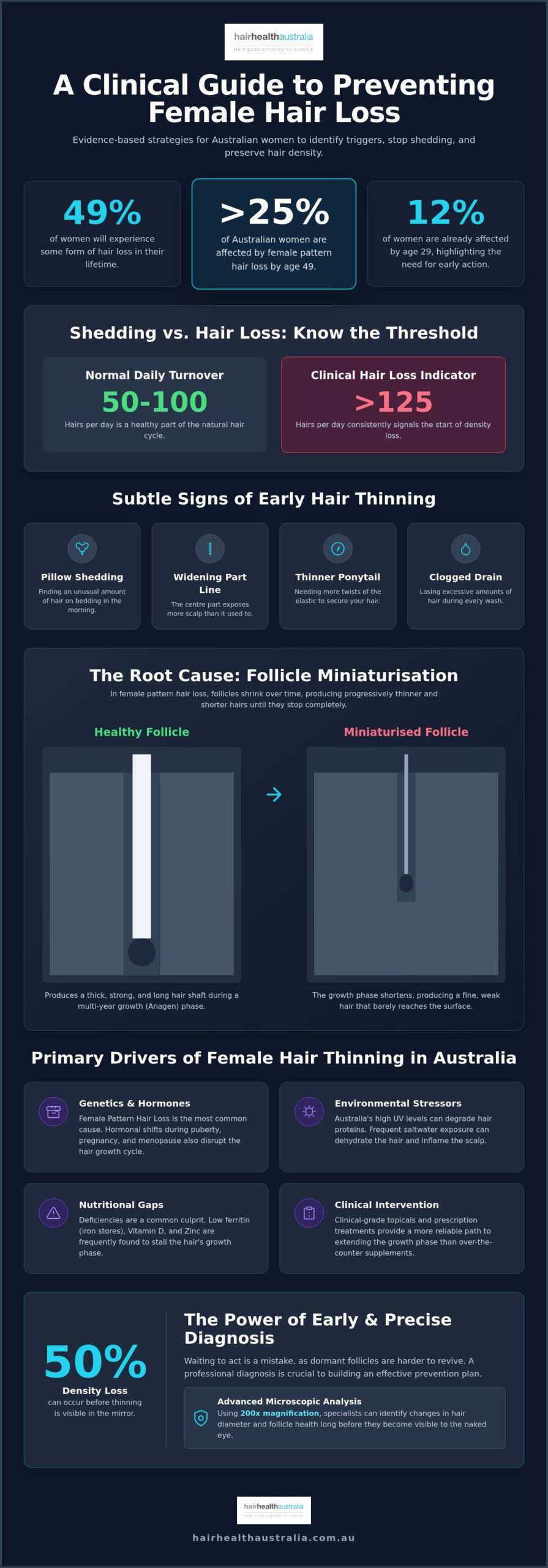
Did you know that by the age of 49, more than 25% of Australian women are already affected by female pattern hair loss? It’s a confronting statistic that often leaves many feeling as though they’re losing a core part of their identity. If you’ve started noticing more strands in the drain or a widening part line, you’re likely looking for definitive answers on how to prevent female hair loss before the thinning becomes visible to the world. We understand how exhausting it is to waste money on glorified vitamins or feel overwhelmed by the sheer volume of conflicting advice found online.

You deserve a path forward that’s grounded in clinical science rather than marketing hype. This guide promises to equip you with the evidence-based strategies and diagnostic tools necessary to identify the root cause of your shedding with precision. We’ll explore the latest 2026 medical standards, from understanding the role of prescription-based treatments to the rise of regenerative therapies. By the end of this article, you’ll have a clear, systematic plan to stop active shedding and restore your hair density without the need for invasive surgical procedures.

Key Takeaways

  • Learn to distinguish between healthy daily turnover and the clinical indicators of follicle miniaturisation using the 100-hair threshold.
  • Discover the biological triggers behind thinning and the most effective clinical methods on how to prevent female hair loss through every hormonal milestone.
  • Understand why professional scalp hygiene and specific nutrient foundations are the primary requirements for sustained follicle function.
  • Explore why clinical-grade topicals provide a more reliable path to extending the growth phase compared to standard over-the-counter supplements.
  • See how advanced microscopic analysis at 200x magnification identifies changes in hair diameter before they are visible in the mirror.

Understanding the Threshold: When Does Shedding Become Hair Loss?

Distinguishing between normal turnover and clinical hair loss is the first step in any effective intervention. Every person has a biological baseline for healthy hair turnover. On average, you can expect to lose between 50 and 100 hairs daily. This is a natural part of the cycle. However, when you consistently lose more than 125 hairs per day, you’ve crossed a clinical threshold. This isn’t just a heavy shedding phase; it’s the beginning of density loss that requires a specific strategy on how to prevent female hair loss before the scalp becomes visible.

Early detection is notoriously difficult because you can lose up to 50% of your hair density before the change is obvious in the mirror. You should look for these specific indicators:

  • “Pillow shedding” or finding an unusual amount of hair on your bedding in the morning.
  • A widening part line that exposes more of the scalp than usual.
  • A ponytail that feels significantly thinner when you wrap an elastic around it.
  • Excessive hair clogging the shower drain after every wash.

Catching these subtle changes early is the most critical factor in successful hair preservation. Once a follicle has completely ceased production, the options for restoration become far more limited.

The Hair Growth Cycle: Anagen, Catagen, and Telogen

Hair grows in three distinct phases that dictate your overall density. Anagen is the active growing stage, which usually lasts several years. Catagen is a short transition phase where the follicle shrinks. Finally, Telogen is the resting phase where the hair eventually falls out so a new one can grow. In cases of Pattern hair loss, the Anagen phase becomes progressively shorter with every cycle. This means the hair doesn’t have enough time to reach its full length or diameter.

Follicle miniaturisation is the primary driver of long-term density loss.

When to Seek a Professional Hair Health Check

It’s easy to dismiss thinning as “seasonal” or “stress-related.” While temporary shedding from illness or lifestyle changes happens, chronic loss is a different biological process entirely. The emotional impact of watching your hair thin can be profound, often affecting your sense of femininity and confidence. Waiting to see what happens is a mistake because lost follicles are far harder to revive than those currently thinning. Establishing a diagnostic baseline with a Hair Health Check allows you to understand exactly what is happening at the scalp level. This professional assessment provides the clinical data needed to build a customised plan on how to prevent female hair loss.

Identifying the Primary Drivers of Female Hair Thinning in Australia

Understanding the “why” behind thinning is the foundation of learning how to prevent female hair loss effectively. While many people associate hair loss primarily with men, statistics show that around 49% of women will experience some form of hair loss in their lifetime. In Australia, this often manifests as Female Pattern Hair Loss (Androgenetic Alopecia), which affects approximately 12% of women by age 29 and over 25% by age 49. This condition is driven by genetics and follicle miniaturisation, a process where the hair shaft becomes progressively thinner until the follicle stops producing hair altogether.

Hormonal milestones also play a significant role in density changes. Puberty, pregnancy, and menopause create physiological shifts that can disrupt the hair growth cycle. Beyond biology, the Australian environment introduces unique stressors. High UV levels can degrade hair proteins, while frequent saltwater exposure from a Sydney-active lifestyle can dehydrate the hair shaft and lead to scalp inflammation. Additionally, clinical assessments often reveal nutritional gaps in Australian patients. Low ferritin (iron stores), Vitamin D deficiency, and Zinc imbalances are common culprits that stall the growth phase and prevent follicles from reaching their full potential. While some cases are purely environmental, many require the precision of dermatologist-diagnosed hair loss protocols to identify underlying androgenetic factors accurately.

Telogen Effluvium: The Stress-Hair Loss Connection

Telogen Effluvium is a form of temporary shedding triggered by a specific shock to the system, such as high fever, surgery, or intense psychological stress. It’s characterised by a “three-month delay,” meaning your hair may begin to fall out months after the stressful event has passed. This delay often causes confusion and distress, as the original trigger has frequently been forgotten. You can find more detail on this in our guide to Telogen Effluvium: Temporary Thinning Explained.

Traction Alopecia and Styling Damage

For many Australian women, “active” styling can lead to Traction Alopecia. This occurs when constant tension from tight ponytails or buns damages the follicle, eventually leading to permanent hairline recession. It’s also vital to distinguish between chemical damage and thinning. While over-processing with colour can cause hair to break, it doesn’t usually affect the follicle’s ability to grow hair. To preserve your density, we recommend “hair-friendly” styling, such as loose braids and avoiding high-heat tools on a daily basis. If you’re unsure whether your thinning is caused by styling or biology, a professional Female Hair Loss Treatment consultation can provide the clarity you need to stop the progression.

Practical Prevention: Daily Habits to Preserve Hair Density

Consistency in your daily routine is often the most overlooked aspect of how to prevent female hair loss. While clinical interventions are essential for active thinning, your everyday habits provide the environment in which your follicles must function. A proactive approach focuses on minimising external stressors while maximising internal support. This involves more than just buying the right products; it requires a systematic understanding of what your scalp needs to sustain healthy hair turnover.

One of the most effective ways of preventing female hair loss is maintaining rigorous scalp hygiene. A clean scalp is the primary requirement for healthy follicle function. Sebum, sweat, and environmental pollutants can accumulate, leading to inflammation that restricts the growth phase. Similarly, sun protection for the scalp is vital in the harsh Australian climate. UV-induced oxidative stress can damage the hair roots, causing premature shedding. Regarding “hair growth” shampoos, it’s vital to have realistic expectations. These products are excellent for improving the scalp environment and hair shaft quality, but they cannot address systemic or genetic thinning on their own.

Nutritional Support for Follicle Strength

Your follicles are some of the most metabolically active cells in your body. This means they are highly sensitive to fluctuations in blood sugar and insulin resistance. High-sugar diets can trigger inflammatory responses that disrupt the growth cycle. To support keratin production, focus on Australian superfoods like macadamia nuts for healthy fats and barramundi for high-quality protein. While biotin is often marketed as a miracle cure, you should consult a specialist before starting high-dose supplements. Excessive biotin can interfere with clinical blood tests and may not be necessary if your diet is already balanced.

To further explore the connection between your internal system and hair health, you can check out Synergy Health & Wellness for more information on hormone and metabolic optimisation.

Mechanical Prevention: Brushing and Washing Best Practices

The way you handle your hair physically can either preserve or deplete your density. Selecting the right tools is a simple yet effective preventative measure. Wide-tooth combs are essential for thinning hair as they reduce the tension placed on the roots during detangling. When cleansing, use the “Gentle Wash” technique by massaging the scalp with your fingertips rather than scrubbing with your nails. This reduces friction and minimises the risk of pulling out hairs that are in the resting phase.

Vigorous towel-drying is a leading cause of mid-shaft breakage because the intense friction compromises the hair’s protective cuticle layer while the strands are in their most vulnerable, wet state.

How to Prevent Female Hair Loss: A Clinical Guide for 2026

Clinical Prevention Strategies: Moving Beyond Over-the-Counter Fixes

Many women begin their journey by purchasing high-street vitamins or generic supplements. While these products might address minor nutritional gaps, they rarely provide a comprehensive solution for how to prevent female hair loss driven by genetic or hormonal factors. Clinical prevention requires a shift from “one-size-fits-all” products to a personalised protocol. This systematic approach combines follicle stimulation with advanced medical standards to extend the hair’s growth phase before miniaturisation becomes permanent.

Non-surgical regrowth programmes are designed to create a multi-faceted environment for hair preservation. This often involves combining low-level light therapy with clinical-grade stimulants. Light therapy works at a cellular level to increase blood flow to the scalp, while follicle stimulation ensures that the hair roots receive the necessary signals to remain in the Anagen (growth) phase. By addressing the biological triggers of thinning directly, these strategies offer a level of precision that over-the-counter fixes simply cannot match.

Evidence-Based Topical Treatments

Topical stimulants, such as Minoxidil, remain a cornerstone of clinical intervention. In Australia, specific formulations are used to target the unique patterns of female thinning. The success of these treatments relies entirely on consistency. Skipping applications disrupts the steady supply of growth signals to the follicle, which can stall progress or lead to renewed shedding. For a deeper look at the current medical standards, refer to our Best Hair Regrowth Treatment Australia 2026 reference guide.

The Clinical Advantage vs. Hair Transplant Surgery

Non-surgical restoration should always be your first line of defence. Surgical options like Follicular Unit Extraction (FUE) are invasive and carry a high price tag, often ranging from $11,000 to $30,000. These procedures are generally considered cosmetic and are not covered by Medicare or private health insurance. In contrast, clinical programmes are non-invasive, require no downtime, and focus on preserving your existing hair density. As a leader in non-invasive Sydney hair restoration, we prioritise evidence-based medical therapies that work with your natural growth cycles. If you’re ready to move beyond guesswork, a professional Female Hair Loss Treatment plan offers a structured path to maintaining your identity and hair health.

The Role of Microscopic Analysis in Early Prevention

Visual inspection is fundamentally reactive. By the time thinning is visible to the naked eye, you have likely already lost approximately 50% of your hair density in that area. This lag between biological onset and visual confirmation is why many women feel they are losing the battle. To understand how to prevent female hair loss effectively, we must look beneath the surface. Microscopic analysis allows us to identify follicle miniaturisation in its earliest stages, long before the scalp becomes visible in the bathroom mirror.

The science of microscopic scanning involves using specialised digital imaging at 200x magnification. This level of detail allows us to measure the precise diameter of individual hair shafts and assess the overall health of the scalp environment. We can distinguish between terminal hairs, which are healthy and thick, and vellus-like hairs, which have begun the miniaturisation process. This diagnostic clarity replaces guesswork with data, providing a baseline that allows us to track your progress with mathematical precision. When you can see the visual evidence of new growth and increasing shaft diameter, the anxiety of uncertainty begins to fade.

What to Expect During Your Sydney Hair Health Check

Your journey starts with a comprehensive diagnostic process at our Sydney clinic. We begin by reviewing your medical history and lifestyle factors before performing a detailed digital scan of your scalp. This information is then used to create a bespoke Female Hair Regrowth Treatment plan tailored to your specific needs. This roadmap transitions you from a state of constant worrying to one of informed action, giving you a clear path toward preserving your density.

Your Next Steps: Securing Your Hair’s Future

We recommend that women over the age of 30 incorporate an annual hair health audit into their regular wellness routine. Just as you would visit a dentist for a check-up, a regular clinical assessment ensures that any subtle changes in hair diameter are caught and addressed immediately. Female hair loss is a manageable condition, provided you have the right clinical partner and access to modern diagnostic tools. You don’t have to wait for the thinning to become obvious to take control of your hair’s future. Book your microscopic hair analysis at our Sydney clinic today.

Secure Your Hair’s Future with Clinical Precision

Understanding how to prevent female hair loss requires a shift from reactive habits to proactive clinical data. We’ve established that waiting for visible thinning often means you’ve already lost up to 50% of your hair density in the affected areas. By prioritising microscopic analysis and evidence-based topical treatments over generic high-street vitamins, you can effectively extend the growth phase of your follicles and maintain your natural volume before permanent miniaturisation occurs.

As non-surgical regrowth specialists, we provide the diagnostic clarity needed to stop active shedding and restore density. Our Australian-owned and operated clinic utilises clinically-backed microscopic analysis to create a protocol tailored specifically to your unique scalp health. You don’t have to navigate this journey alone or feel frustrated by conflicting online advice. Book Your Comprehensive Hair Health Check in Sydney today to establish your diagnostic baseline. Your hair health is manageable, and with the right clinical partner, you can move forward with absolute confidence and clarity.

Beyond hair restoration, maintaining your overall aesthetic often requires professional attention to your finest garments; you can explore High fashion, bridal, evening wear specialist cleaning to ensure your signature pieces remain in pristine condition.

Frequently Asked Questions

Can female hair loss be reversed without surgery?

Yes, many forms of thinning can be effectively managed or reversed through non-surgical clinical therapies. Treatments such as low-level light therapy and clinical-grade stimulants focus on reactivating dormant follicles and extending the growth phase. While surgery is an option for advanced cases, non-invasive protocols are the primary recommendation for those looking at how to prevent female hair loss before it becomes permanent.

What is the most common cause of sudden hair fall in women?

Telogen Effluvium is the most frequent cause of sudden, diffuse shedding across the scalp. This condition is usually triggered by a significant physiological shock, such as high fever, rapid weight loss, or childbirth. You’ll typically notice the increased shedding approximately three months after the initial event. While alarming, this type of loss is often temporary if the underlying trigger is addressed.

Does stress really cause permanent hair loss?

Stress typically causes temporary shedding rather than permanent follicle death. When your body undergoes intense psychological or physical stress, it can prematurely push hairs into the resting phase. While this results in noticeable shedding, the hair usually regrows once the stressor is managed. However, chronic stress can sometimes accelerate the progression of underlying genetic thinning if left unchecked for long periods.

How often should I wash my hair if I am worried about thinning?

You should continue to wash your hair regularly, typically two to three times a week, to maintain a healthy scalp environment. Many women avoid washing because they see hair in the drain, but these strands have already detached from the follicle. A clean scalp prevents the buildup of sebum and pollutants that can lead to inflammation and hinder healthy hair production.

Are hair growth vitamins actually effective for prevention?

Vitamins are only effective if your thinning is directly caused by a specific nutritional deficiency, such as low iron or zinc. For the majority of women, high-street supplements don’t address the hormonal or genetic drivers of miniaturisation. Clinical topicals and professional scalp treatments are generally a more reliable strategy for how to prevent female hair loss compared to generic over-the-counter vitamins.

What is the difference between hair shedding and hair thinning?

Shedding refers to the daily loss of hair from the root, whereas thinning involves the gradual reduction in the diameter of the hair shaft. Normal shedding consists of 50 to 100 hairs per day. Thinning, or miniaturisation, is a more concerning clinical sign where the hair becomes progressively finer and shorter over several growth cycles until the follicle eventually stops producing hair.

When should I see a specialist versus a general practitioner?

You should see a GP for initial blood tests to rule out systemic issues like thyroid dysfunction or iron deficiency. However, a hair loss specialist is required for a detailed microscopic scalp analysis. Specialists use advanced imaging to detect miniaturisation that a general physical exam cannot see, allowing for a much earlier and more accurate diagnosis of pattern-based loss.

Is female pattern baldness hereditary?

Yes, Female Pattern Hair Loss is a hereditary condition that can be inherited from either the maternal or paternal side of your family. It affects over 25% of Australian women by the age of 49. Because it’s a progressive genetic condition, early clinical intervention is the most effective way to preserve your existing density and prevent the condition from advancing.

Female Hair Loss: Medical Treatment Options in Sydney

Did you know that approximately 49% of Australian women will experience some form of hair loss in their lifetime? It’s a deeply personal challenge that often leads to a loss of confidence and a frustrating search for answers amidst a sea of marketing hype. You might feel overwhelmed by conflicting advice or fear that thinning hair is an inevitable part of ageing that cannot be reversed. If you’ve been searching for an effective female hair loss treatment, it’s vital to distinguish between cosmetic promises and clinical reality.

This article clarifies the professional path to restoration, moving past generic shop-bought products to focus on evidence-based, non-surgical protocols available right here in Sydney. We’ll explore how a precise medical diagnosis and the latest TGA-regulated therapies can help you achieve visible regrowth and increased density. By understanding the science behind follicle health and the specific medical treatments currently available in Australia, you can move forward with a manageable plan designed to restore both your hair and your self-assurance.

Key Takeaways

  • Understand why microscopic hair analysis is the essential gold standard for moving beyond a basic visual check to achieve a precise medical diagnosis.
  • Discover how a personalised female hair loss treatment plan uses clinical-strength stimulators to target thinning at the root without the need for surgery.
  • Learn the biological mechanics of the hair growth cycle and how modern protocols work to extend the critical Anagen growth phase.
  • Identify the specific non-invasive recovery options available in Sydney that focus on restoring long-term follicle health and visible hair density.
  • Gain clarity on the distinction between retail marketing hype and evidence-based clinical treatments to ensure your recovery journey is grounded in science.

Understanding Female Hair Loss and Thinning in Australia

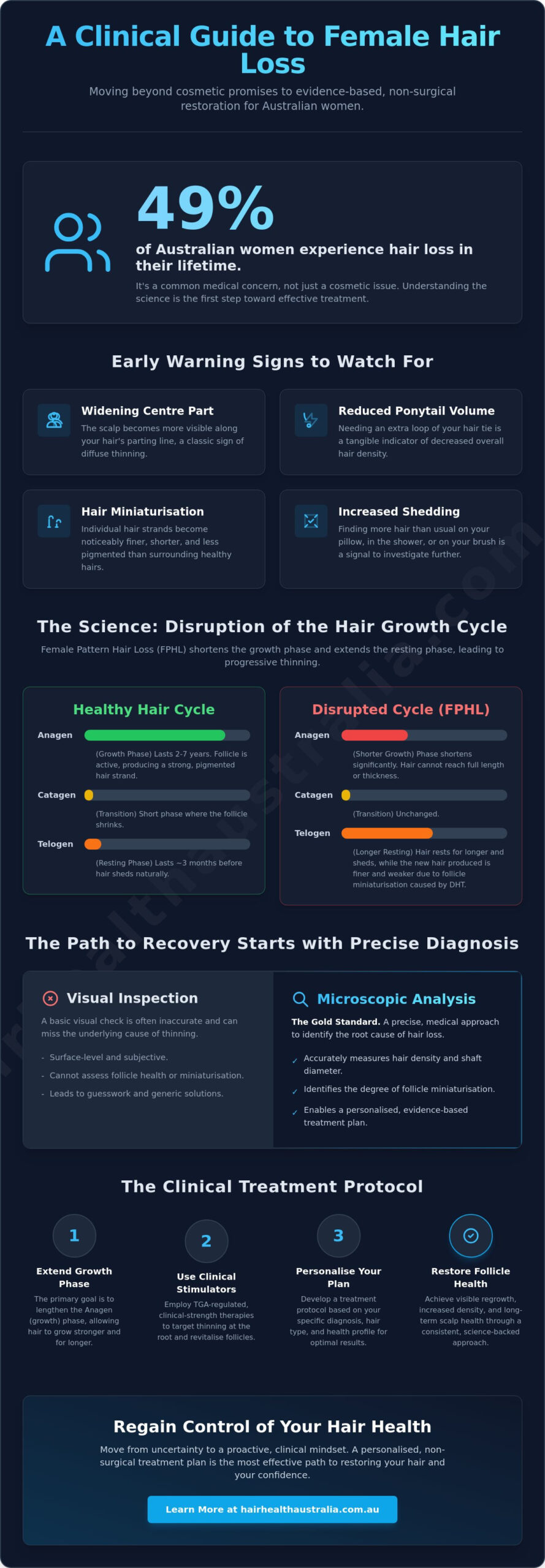
A professional female hair loss treatment is far more than a cosmetic fix; it’s a structured clinical approach dedicated to restoring and maintaining follicle health. In Australia, the landscape of women’s hair health is shifting. Recent data indicates that approximately 49% of Australian women will navigate some form of hair loss during their lifetime. This statistic highlights that thinning is a common medical concern rather than an isolated cosmetic issue. Our focus is on providing a clear, scientific path to recovery that replaces guesswork with evidence-based protocols.

It’s essential to distinguish between temporary shedding and progressive thinning. While losing some hair daily is a normal part of the biological cycle, Pattern hair loss involves a systematic miniaturisation of the hair follicle. This process gradually weakens the hair strand until the follicle eventually stops producing hair altogether. Recognising this distinction early allows for more effective intervention, as clinical treatments are most successful when they begin before follicles have reached a dormant state.

The Emotional Impact of Thinning Hair

For many women, hair is intrinsically linked to identity and self-esteem. Social standards often place a higher burden on women to maintain a full head of hair, making the discovery of a widening part or a visible scalp particularly distressing. This anxiety can lead to a cycle of stress that might further impact hair health. We believe in moving from a state of uncertainty to a proactive, clinical mindset. Identifying the cause through a professional lens is the first step toward regaining control. You can learn more about identifying these changes in our guide on Early Signs of Alopecia in Women.

Identifying the Early Warning Signs

Detecting thinning in its initial stages requires more than a casual glance in the mirror. Women often notice subtle shifts in their hair’s behaviour before significant loss occurs. Key indicators that it’s time to seek a professional female hair loss treatment include:

  • A widening centre part: The scalp becomes more visible along the line where you traditionally style your hair.
  • Reduced ponytail volume: You might find yourself needing an extra turn of your hair tie to secure your ponytail.
  • Miniaturisation: Individual strands appear finer, shorter, and less pigmented than the surrounding hair.
  • Increased shedding: Noticeable amounts of hair left on your pillow, in the shower drain, or on your hairbrush after gentle styling.

Acknowledge these signs without panic. They are simply biological signals that your follicles require targeted support. By addressing these symptoms with a systematic diagnostic approach, we can develop a plan that focuses on long-term density and scalp health.

The Science Behind Female Pattern Thinning and Shedding

The hair on your scalp follows a rhythmic lifecycle consisting of three distinct phases. The Anagen phase is the active growth period, typically lasting between two and seven years for a healthy follicle. This is followed by the Catagen phase, a short transitional stage where the hair follicle shrinks and detaches from the dermal papilla. Finally, the Telogen phase is a resting period of approximately three months, ending when the hair eventually sheds to make room for a new strand to emerge.

In cases of Female Pattern Hair Loss (FPHL), this cycle is significantly disrupted. The Anagen phase becomes progressively shorter, while the resting phase lengthens. This means the hair doesn’t have sufficient time to reach its full length or thickness before it falls out. According to the American Academy of Dermatology on FPHL, this condition is the most frequent cause of hair loss in women, driven by a complex interplay of genetics, ageing, and hormonal shifts.

Androgenetic Alopecia: The Genetic Factor

While men often experience a receding hairline or a bald spot at the crown, women typically see diffuse thinning across the mid-scalp. This occurs because certain follicles are genetically sensitive to dihydrotestosterone (DHT), a hormone that triggers follicle miniaturisation. Over time, DHT causes the follicles to produce finer, shorter, and less pigmented strands. As we age, especially during menopause when oestrogen levels decline, follicles can become even more vulnerable to these androgenic effects. A targeted female hair loss treatment focuses on revitalising these follicles before they reach a point of permanent dormancy. Early intervention is the most effective way to preserve your existing hair density.

Telogen Effluvium vs. Permanent Loss

Not all hair loss is permanent or genetic. Telogen Effluvium is a temporary condition where a physiological shock, such as extreme stress, sudden illness, or a significant iron deficiency, forces a large percentage of hairs into the Telogen phase prematurely. You might notice significant shedding months after the initial triggering event. While this type of shedding can resolve on its own once the underlying cause is addressed, a clinical female hair loss treatment can significantly accelerate the recovery process by nourishing the scalp environment. Distinguishing between genetic thinning and temporary shedding is vital for selecting the correct clinical path. If you’re unsure which type of shedding you’re experiencing, a professional assessment of your scalp health can provide the clarity you need to move forward with confidence.

Diagnostic Precision: Microscopic Analysis vs. Visual Inspection

A simple visual inspection, whether by a GP or a stylist, is often insufficient for developing an effective female hair loss treatment plan. While a mirror can show you where thinning is most prominent, it cannot reveal the underlying health of the follicle or the specific stage of miniaturisation. Relying solely on the naked eye often leads to guesswork, which can delay the implementation of the correct clinical protocol. Precision matters because the success of any regrowth programme depends entirely on an accurate understanding of your scalp’s current biological state.

Microscopic hair analysis has become the gold standard for clinical diagnosis in Sydney. By using high-magnification digital scanning, specialists can examine the scalp at a level of detail that is otherwise impossible. This technology allows us to measure follicle density and individual hair diameter with absolute accuracy. It also provides a clear view of the scalp environment, identifying issues like sebum blockage or inflammation that might be hindering growth. When addressing Female pattern hair loss, having this objective data ensures that the chosen treatment is specifically tailored to your needs.

What Happens During a Professional Hair Health Check?

A professional assessment is a non-invasive process designed to provide a comprehensive map of your hair health. During the scan, we look for specific markers that indicate the potential for regrowth. We identify sebum buildup that may be suffocating the follicle, signs of scalp inflammation, and the presence of dormant versus active follicles. This level of detail is crucial for establishing a baseline. You can Book your Microscopic Hair Health Check to receive a clear, scientific breakdown of your current condition.

Why Medical-Grade Diagnostics Matter

Moving beyond visual checks allows for the creation of an evidence-based plan. Diagnostics help determine if a follicle is truly dormant or simply miniaturised and in need of stimulation. This distinction is vital; it prevents you from investing in treatments that may not be suitable for your specific type of loss. Microscopic analysis is a non-surgical diagnostic tool for 2026. By utilising digital scans, we can also track your progress over time. These “before and after” data points provide objective proof of increased density and improved follicle health, ensuring your female hair loss treatment remains on the right track for visible results.

Female Hair Loss: Medical Treatment Options in Sydney

Non-Surgical Treatment Protocols for Hair Regrowth

Effective recovery doesn’t require invasive surgical procedures. Modern clinical protocols focus on stimulating the biological activity of existing follicles to improve density and texture. A comprehensive female hair loss treatment combines various non-invasive modalities to address the specific causes of thinning identified during your microscopic analysis. These programmes are designed to be manageable and fit into a daily routine while providing the medical-grade strength necessary for visible results.

One of the most significant advancements in non-surgical recovery is Low-Level Laser Therapy (LLLT). This technology uses specific wavelengths of light to penetrate the scalp and reach the base of the hair follicle. Once there, the light energy is absorbed by the cells, which improves cellular metabolism and increases blood flow to the area. This process, known as photobiomodulation, helps to extend the Anagen growth phase and revitalise follicles that have begun to miniaturise. When used as part of a structured clinical programme, LLLT provides a powerful, pain-free foundation for regrowth.

Clinical Protocols vs. Over-the-Counter Solutions

Many women start their journey with generic pharmacy products, but these “one-size-fits-all” options often fail because they don’t account for individual scalp conditions or the severity of the loss. Clinical-strength topicals and follicle stimulators are formulated with higher concentrations of active ingredients and are often customised to suit your specific needs. Professional supervision ensures that your progress is monitored and your protocol is adjusted as your hair health improves. You can explore our Female Scalp Treatment for Hair Growth checklist to see what a professional programme should include.

The Role of Nutrition and Scalp Hygiene

A holistic approach to female hair loss treatment must also address internal factors. Deficiencies in Zinc, Biotin, and Iron can significantly impact the quality of hair production. We assess these nutritional markers to ensure your body has the raw materials needed for growth. Simultaneously, professional scalp cleansing is essential to remove sebum buildup that contains high concentrations of DHT. A clean, healthy scalp environment is the necessary foundation for any topical treatment to be absorbed effectively. For more maintenance tips, read our guide on Managing Female Hair Thinning.

If you’re ready to move beyond retail products, the first step is a professional assessment of your scalp health to determine which clinical protocol is right for you.

Personalised Hair Recovery at our Sydney Clinic

At Hair Health Australia, we understand that addressing hair thinning requires more than just a product; it requires a partnership. Our Sydney specialists focus exclusively on non-surgical female hair loss treatment, ensuring that every protocol is backed by clinical evidence and tailored to your unique biological profile. We move away from the “trial and error” approach common in retail environments, providing a structured medical pathway that prioritises long-term follicle viability and scalp health. Our goal is to replace uncertainty with a clear, actionable plan that delivers measurable improvements in hair density.

The journey from your initial analysis to the regrowth phase is methodical and transparent. We don’t rely on hyperbolic marketing; instead, we use the diagnostic data from your microscopic scan to guide every decision. This scientific focus ensures that we are targeting the specific mechanisms of your hair loss, whether it involves hormonal sensitivity, nutritional gaps, or environmental scalp stressors. By maintaining a clinical focus, we can provide a level of care that is both professional and deeply reassuring, helping you navigate the recovery process with confidence.

Why Choose a Specialised Sydney Hair Clinic?

Choosing a specialised clinic in Sydney offers distinct advantages over generic online services or international advice. You gain direct access to advanced diagnostic technology and clinical-grade therapies that are regulated for use within Australia. Local, face-to-face consultations allow for ongoing monitoring of your progress, which is essential for success. This personal oversight enables our specialists to refine your programme based on real-time observations of your scalp’s response. For more local insights, consult our Hair Fall Treatment for Ladies: Sydney Guide.

Taking the First Step Toward Regrowth

Preparing for your first consultation is straightforward. We recommend arriving with your hair in its natural state, free from heavy styling products or fibres, so we can obtain the clearest possible microscopic view of your scalp and follicles. During this session, we’ll discuss your medical history and lifestyle factors to build a complete picture of your hair health. In the first 90 days of a clinical female hair loss treatment, our primary focus is on stabilising excessive shedding and revitalising the scalp environment. While visible regrowth is a gradual process that follows the natural hair cycle, these initial months are vital for preparing the follicles to produce thicker, healthier strands.

Your journey to restoration starts with clarity and a commitment to proven results. Contact Hair Health Australia to start your recovery journey and discover a scientific approach to hair health designed specifically for women.

Begin Your Path to Visible Hair Restoration

Transitioning from retail-based products to a clinical female hair loss treatment is the most significant step you can take for your long-term follicle health. We’ve discussed how understanding the biological growth cycle and utilising advanced microscopic diagnostic technology allows for a level of precision that visual checks simply cannot provide. By focusing on non-surgical, clinically-backed Australian protocols, you can address the root causes of thinning and work towards restoring sustainable hair density.

Our Sydney clinic is led by non-surgical regrowth specialists who are dedicated to providing realistic expectations grounded in scientific results. We don’t rely on marketing hype; we rely on objective data and systematic care to ensure your recovery plan is specifically tailored to your needs. It’s time to replace uncertainty with professional clarity and a clear, manageable way forward. Book Your Comprehensive Hair Health Check in Sydney today to uncover the clinical reality of your scalp health. You don’t have to navigate thinning alone; expert guidance is ready to help you regain your confidence.

Frequently Asked Questions

Can female hair loss be reversed without surgery?

Yes, many forms of thinning can be effectively managed or reversed without surgery through structured clinical protocols. Non-invasive options focus on revitalising active follicles to improve density and hair quality. The success of these treatments depends on an early diagnosis; it’s vital to intervene while the follicles are still active and before they reach a permanent dormant state.

How long does it take to see results from female hair loss treatment?

Most patients begin to notice visible changes within three to six months of starting a consistent programme. This timeline aligns with the natural hair growth cycle, as it takes time for revitalised follicles to produce new, thicker strands. Initial results often include a significant reduction in daily shedding, followed by a gradual increase in hair volume and scalp coverage over the first year of care.

Is female pattern hair loss the same as male pattern baldness?

While both conditions involve a genetic sensitivity to androgens, they present very differently. Men typically experience a receding hairline or a bald spot at the crown, whereas females usually see diffuse thinning across the mid-scalp while maintaining their front hairline. Because the patterns and hormonal influences differ, a specialised female hair loss treatment is required to address these unique clinical characteristics.

What is the most effective treatment for thinning hair in women?

There isn’t a single “best” treatment; the most effective approach is a personalised protocol based on a microscopic diagnosis. A combination of clinical-strength topicals, follicle stimulation, and scalp health maintenance usually yields the best results. By identifying the specific cause of your thinning through digital scanning, we can ensure your female hair loss treatment targets the correct biological pathway for your scalp.

Can stress cause permanent hair loss in females?

Stress typically causes a temporary condition known as Telogen Effluvium, where hair sheds rapidly but usually grows back once the stressor is removed. However, prolonged physiological shock can sometimes trigger or accelerate underlying genetic thinning. If your hair doesn’t begin to recover its density within six months of a stressful event, a professional assessment is recommended to check for signs of permanent follicle miniaturisation.

Does wearing my hair in a tight ponytail cause thinning?

Yes, consistently wearing tight hairstyles can lead to Traction Alopecia, which is hair loss caused by repeated tension on the hair follicles. This typically appears as thinning around the hairline or temples where the pull is strongest. If caught early, this condition is reversible by changing styling habits, but chronic tension over many years can eventually lead to permanent follicle damage and scarring.

Are there side effects to clinical hair regrowth treatments?

Non-surgical clinical treatments are generally well-tolerated with minimal risk of side effects. Some individuals might experience mild scalp irritation or dryness when beginning a new topical protocol. Because our treatments are professionally supervised, we can adjust concentrations and formulations to ensure your scalp remains healthy and comfortable throughout the recovery process while still achieving the necessary stimulation for growth.

How much does a professional hair health check cost in Sydney?

The cost of a professional hair health check in Sydney can vary depending on the level of diagnostic technology used and the depth of the analysis. Some clinics may offer introductory assessments, while others charge a fee for a comprehensive microscopic scan and a detailed consultation with a specialist. It’s best to contact a specialised clinic directly to confirm their current assessment process and any associated fees for a diagnostic session.

Female Scalp Treatment for Hair Growth: The Essential Australian Checklist

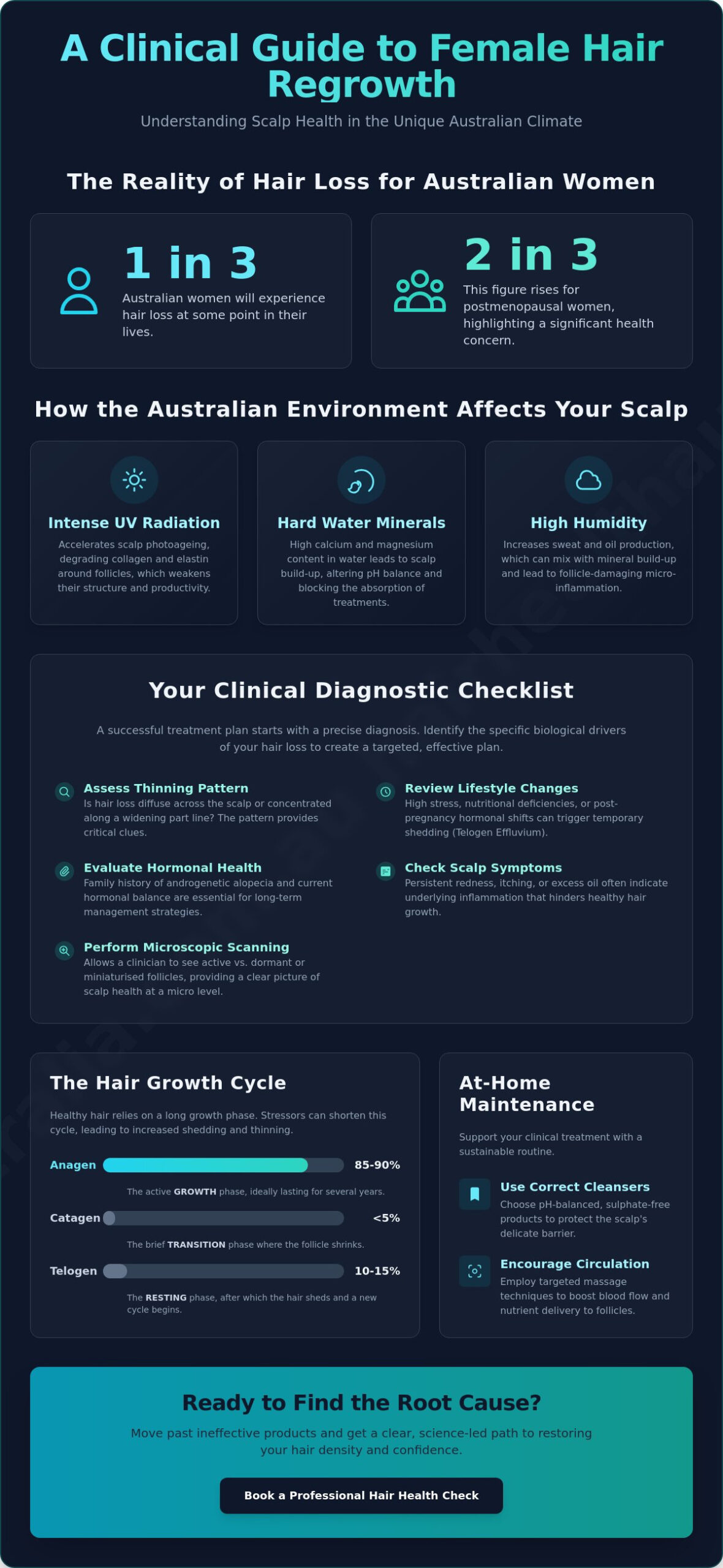
Did you know that approximately one-third of Australian women will experience hair loss at some point in their lives, a figure that rises to two-thirds for those who are postmenopausal? If you’ve spent months testing expensive “miracle” serums only to see more of your scalp in the mirror, you aren’t alone. Seeking a professional female scalp treatment for hair growth Australia shouldn’t feel like a gamble or a confusing maze of technical terms like PRP and laser therapy. You deserve a clear, clinical path that replaces anxiety with objective, science-led results.

We recognise that restoring hair density is about more than just aesthetics; it’s about regaining confidence through a systematic approach to scalp health. This article outlines a comprehensive, non-surgical framework designed specifically for the Australian climate and regulatory standards. You’ll discover how to move past the frustration of ineffective products and establish a sustainable maintenance plan. We will guide you through the essential diagnostic steps, evidence-based treatment modalities, and the lifestyle factors that ensure your results are both visible and lasting.

Key Takeaways

  • Understand how the unique Australian climate and high UV levels accelerate scalp ageing and why addressing skin health is vital for successful hair regrowth.
  • Learn to identify specific thinning patterns and lifestyle triggers as part of a clinical diagnostic checklist to find the root cause of hair density loss.
  • Evaluate non-surgical interventions, including Low-Level Laser Therapy and professional formulations, to determine the right female scalp treatment for hair growth Australia for your specific needs.
  • Establish a sustainable maintenance routine using pH-balanced, sulphate-free cleansers and targeted massage techniques to protect the scalp barrier and encourage circulation.
  • Discover how to navigate professional consultations with confidence by knowing the right questions to ask about evidence-based results and long-term care plans.

Understanding the Scalp-Hair Growth Connection in the Australian Climate

To understand hair thinning, we must first look at the scalp as the biological “soil” for your hair follicles. Healthy hair is not an isolated event; it is the direct result of a nourished, balanced, and functional scalp environment. Many women mistakenly invest in superficial hair treatments that only coat the hair shaft with silicones to provide a temporary shine. However, a clinical female scalp treatment for hair growth Australia focuses on the dermis and the follicle itself, where the actual growth occurs. Without addressing the health of the skin below the surface, even the most expensive conditioners will fail to improve hair density.

In Australia, our environmental conditions are particularly demanding. High mineral content in local water, often referred to as hard water, can lead to significant calcium and magnesium build-up on the scalp. This residue alters the natural pH balance and creates a barrier that prevents topical treatments from penetrating effectively. When combined with the sweat and oil production triggered by our humid summers, this build-up can lead to micro-inflammation, which quietly compromises the follicle’s ability to produce strong, pigmented hair strands.

The Role of the Follicle in Hair Density

Hair growth occurs in a specific cycle consisting of the Anagen (growth), Catagen (transition), and Telogen (resting) phases. Ideally, about 85 to 90 percent of your hair should be in the Anagen phase at any given time. However, conditions like Pattern hair loss can cause these follicles to miniaturise over time. When the scalp is inflamed or congested, follicles receive biological signals to enter the resting phase prematurely. This leads to increased shedding and a noticeable loss of volume. Ensuring your follicles remain clear of debris and inflammation is a biological necessity for sustaining a healthy growth cycle.

Australian Environmental Stressors and Your Scalp

The intense UV radiation found across Australia is a primary driver of scalp skin ageing. Just as the sun causes wrinkles on the face, it causes photoageing on the scalp, which degrades the collagen and elastin surrounding the hair follicles. This structural breakdown reduces the follicle’s productivity and can eventually lead to permanent thinning. A specialised female scalp treatment for hair growth Australia must account for these local lifestyle factors. If you are noticing a widening part or a change in your hair’s texture, a professional hair health check is a vital first step to identify whether environmental damage or internal factors are the primary cause of your concerns.

Your Diagnostic Checklist: Identifying the Root Cause of Thinning

A successful female scalp treatment for hair growth Australia begins with a precise diagnosis rather than a guess. You cannot effectively treat thinning until you understand exactly why it is happening. While retail products often promise a universal fix, clinical results depend on identifying the specific biological drivers of your hair loss. This diagnostic checklist serves as the foundation for a targeted, effective plan.

  • Assessing the pattern: We look for whether the thinning is diffuse across the entire scalp or concentrated along a widening part line.
  • Reviewing lifestyle changes: Recent periods of high stress, nutritional deficiencies, or post-pregnancy hormonal shifts can trigger temporary shedding.
  • Checking scalp symptoms: Persistent redness, itching, or excessive oil production often indicate underlying inflammation that hinders growth.
  • Microscopic scanning: This allows us to see the difference between active follicles and those that have entered a dormant state.
  • Evaluating hormonal health: Understanding your family history of androgenetic alopecia and current hormonal balance is essential for long-term management.

Identifying these factors early allows for a more efficient intervention. If you are unsure where to start, booking a professional hair health check provides the clarity needed to move forward with confidence.

Diffuse Thinning vs. Pattern Baldness

Distinguishing between temporary shedding and progressive thinning is a critical first step. Telogen Effluvium often manifests as sudden, diffuse shedding across the whole head, usually triggered by a physiological shock. In contrast, Female Pattern Hair Loss (FPHL) is a slower progression that typically presents as a widening part or visible thinning at the temples. For a detailed Female pattern hair loss overview, government resources provide a helpful baseline of the condition’s genetic nature. Because these conditions can often overlap, a clinical assessment is the only way to ensure your treatment matches your specific diagnosis. For a broader understanding of the clinical pathways available, our guide to female hair thinning treatment options explores the evidence-based non-surgical approaches used to address both temporary and progressive forms of hair loss.

The Necessity of Microscopic Analysis

Visual inspection with the naked eye is insufficient for an accurate professional diagnosis. By the time hair loss becomes visible to you in the mirror, you may have already lost up to 50 percent of your hair density in that specific area. We utilise digital scalp scanning to identify follicle miniaturisation. This is a process where the hair shaft becomes progressively thinner, shorter, and less pigmented over several growth cycles. This data allows us to predict the potential for regrowth in specific areas and ensures your female scalp treatment for hair growth Australia is based on measurable evidence rather than generalisations.

Comparing Clinical Female Scalp Treatments for Hair Growth

Selecting the right female scalp treatment for hair growth Australia involves understanding the clear distinction between cosmetic products and therapeutic clinical modalities. While retail serums found in department stores may offer temporary hydration to the hair shaft, clinical treatments are designed to alter the biological function of the hair follicle itself. These evidence-based interventions aim to revitalise dormant follicles and extend the Anagen phase of the hair cycle. By focusing on the root of the issue, we move away from temporary fixes toward sustainable, visible improvements in hair density.

Low-Level Laser Therapy (LLLT) is a cornerstone of modern non-surgical restoration. This technology uses specific wavelengths of light to penetrate the scalp tissue and stimulate cellular metabolism within the hair bulb. By increasing adenosine triphosphate (ATP) production, LLLT provides the necessary energy for follicles to produce thicker, healthier hair shafts. It’s a painless, non-invasive method that supports long-term density without the systemic side effects sometimes associated with oral medications. Results are cumulative, meaning consistency is the primary driver of success.

The efficacy of topical applications also varies significantly between over-the-counter options and professional formulations. Clinical-grade topicals often contain specific concentrations of active ingredients, such as the TGA-approved 2% Minoxidil for women, or proprietary delivery systems that ensure the medication reaches the follicle rather than sitting on the skin’s surface. For a deeper look at the medical standards, the RACGP provides an overview of Clinical treatment options for FPHL used by Australian practitioners to manage progressive thinning.

Growth factor therapies, such as Platelet-Rich Plasma (PRP), utilise the body’s own regenerative cells to trigger follicle activity. When combined with targeted nutraceuticals, these treatments address both the external environment and internal nutritional requirements. Supplements aren’t a “fix-all” but serve as a vital support system when diagnostic tests indicate specific deficiencies that hinder the effectiveness of a female scalp treatment for hair growth Australia. Women who are navigating these choices for the first time may also benefit from reviewing our hair loss treatment for women 2026 Australian clinical buying guide, which provides a structured framework for evaluating professional regrowth programmes and understanding how these modalities work together within a structured clinical program.

Non-Surgical vs. Surgical Approaches

For many women, the thought of a hair transplant is daunting due to the invasive nature of the procedure and the potential for visible scarring. Non-surgical clinical programs are often the preferred first step because they require no downtime and carry minimal risk. These programs focus on preserving existing hair and stimulating regrowth in thinning areas through systematic care. Setting realistic expectations is vital; non-surgical methods aim for a natural, gradual improvement in density that respects the body’s biological timelines.

Customised Treatment Protocols

A “one-size-fits-all” strategy rarely succeeds because the drivers of hair loss are unique to every individual. The most successful outcomes typically result from a multi-modal approach. For instance, combining LLLT with clinical topicals creates a synergistic effect that addresses both cellular energy and hormonal triggers simultaneously. You can read more about clinical hair treatment strategies to understand how a professional guide to non-surgical restoration can be tailored to your specific scalp health needs.

Female Scalp Treatment for Hair Growth: The Essential Australian Checklist

The Scalp Health Maintenance Checklist: Supporting Regrowth at Home

Clinical interventions provide the biological foundation for restoration, but your daily habits determine how well those results are maintained. Think of your home care routine as the essential “aftercare” that protects your investment in a female scalp treatment for hair growth Australia. Without a structured maintenance plan, environmental stressors and poor scalp hygiene can quickly undermine the progress made during in-clinic sessions. Use this checklist to ensure your scalp remains a healthy environment for follicle productivity.

  • Check 1: Use pH-balanced, sulphate-free cleansers. Harsh detergents strip the scalp’s natural acid mantle, leading to irritation and a compromised skin barrier.
  • Check 2: Practice regular scalp massage. Gentle mechanical stimulation for four minutes a day can help encourage blood flow to the follicles, delivering vital nutrients.
  • Check 3: Shield against UV damage. Use specialised scalp SPF or wear a hat when outdoors. As we established earlier, the Australian sun is a primary driver of scalp skin ageing.
  • Check 4: Monitor your intake of iron, zinc, and biotin. These micronutrients are the building blocks of the hair shaft; even a minor deficiency can stall the growth cycle.
  • Check 5: Avoid high-tension hairstyles. Constant pulling from tight ponytails or extensions can cause traction alopecia, which may lead to permanent follicle scarring if left unaddressed.

Consistency is the most important factor in any regrowth journey. If you are ready to move beyond guesswork and start a professional program, you can book your comprehensive hair health check to receive a personalised maintenance plan tailored to your scalp’s specific needs.

Optimising Your Hair Wash Routine

Many women with thinning hair fear washing too often, worried they will see more shedding in the drain. However, infrequent washing allows sebum, sweat, and environmental pollutants to accumulate, which can clog follicles and cause inflammation. For most, washing two to three times a week with a professional-grade cleanser is ideal. Focus your efforts on the skin rather than the hair strands. When applying any prescribed topical female scalp treatment for hair growth Australia, ensure the scalp is clean to allow for maximum absorption into the dermis.

Diet and Lifestyle for Follicle Support

Your follicles are some of the most metabolically active cells in your body, meaning they are often the first to suffer when your diet is lacking. Prioritise high-quality proteins and Omega-3 fatty acids to support the structural integrity of the hair. Additionally, managing biological stress is crucial. High cortisol levels can prematurely push follicles into the Telogen (resting) phase, leading to sudden bouts of shedding. By combining a nutrient-dense diet with a stable clinical routine, you create the internal and external conditions necessary for visible, long-term hair density improvement.

Moving from the research phase to an active clinical program is a significant step toward reclaiming your hair density. When you begin searching for a female scalp treatment for hair growth Australia, it is vital to distinguish between retail-led environments and professional clinics rooted in medical authority. A reputable clinic prioritises a “straight-talking” approach, providing you with a realistic assessment of your scalp’s current condition rather than promising overnight miracles. Transparency is the foundation of trust in this process.

A professional consultation should never feel rushed. It is a methodical discovery phase where a specialist evaluates the biological factors we’ve discussed, such as follicle miniaturisation and scalp inflammation. You should expect a deep dive into your hair loss history and a microscopic analysis that goes far beyond a simple visual check. This level of detail is necessary to determine if your follicles are still capable of producing healthy hair shafts or if they’ve progressed to a dormant state where different interventions may be required. Before attending your first appointment, reviewing a comprehensive hair loss treatment for women clinical buying guide can help you arrive prepared with the right questions and a clear understanding of what evidence-based programmes involve.

Managing your expectations regarding the timeline for results is equally important. Unlike cosmetic extensions, a clinical female scalp treatment for hair growth Australia works with your body’s natural growth cycles. Because the Anagen phase takes time to establish, most women won’t see visible improvements in density for at least four to six months. This period allows the follicles to transition from the resting phase back into a productive growth state. Patience and adherence to the prescribed protocol are the primary drivers of success.

Your First Appointment: The Discovery Phase

During your initial visit, your specialist will review your medical history, lifestyle factors, and the specific timeline of your hair thinning. This is the moment to be thorough about any recent changes in health or medication. A central part of this process is the Hair Health Check, which acts as your clinical roadmap. It allows us to establish a baseline through digital imaging, ensuring we can track your progress with objective data. Don’t hesitate to ask direct questions about success rates and what’s required to maintain your results once the initial intensive phase is complete.

Commitment to Long-Term Hair Density

It’s important to view hair health as an ongoing journey rather than a one-time fix. Just as you maintain your physical fitness through regular exercise, your scalp requires consistent support to remain productive. Regular clinical follow-ups and progress scans ensure your treatment remains optimised as your scalp environment changes over time. Taking the first step towards a sustainable plan is simple. You can easily organise your consultation in Sydney to begin your journey with a team dedicated to evidence-based, non-surgical restoration.

Taking the Next Step Toward Lasting Hair Density

Restoring your hair density is a journey that requires moving beyond temporary cosmetic fixes and embracing a clinical, evidence-based approach. We’ve established that a healthy scalp is the essential foundation for growth, and that success relies on a precise diagnosis through specialised microscopic scalp scanning technology. By identifying the root cause of thinning and following a structured maintenance plan, you can shift from a place of uncertainty to one of clear, measurable progress. Choosing the right female scalp treatment for hair growth Australia ensures your care is tailored to the unique environmental factors we face every day.

With over 15 years of experience in Australian hair restoration, our team is dedicated to providing transparent, clinically-backed non-surgical regrowth programs that respect your biological timelines. You don’t have to navigate the confusion of hair thinning alone. Our specialists are here to act as your guides, offering the expertise and modern technology needed to support your follicles effectively. Book your comprehensive Hair Health Check in Sydney today to begin your transition toward a healthier scalp and renewed confidence. We look forward to helping you achieve the visible results you deserve.

Frequently Asked Questions

What is the best scalp treatment for female hair growth in Australia?

The most effective female scalp treatment for hair growth Australia is one tailored to your specific diagnosis, often combining Low-Level Laser Therapy (LLLT) with clinical-grade topical formulations. Rather than relying on a single product, a multi-modal approach addresses both the cellular energy of the follicle and the hormonal drivers of thinning. This ensures that the scalp environment is optimised for producing thicker, healthier hair shafts over several growth cycles.

Can a scalp treatment really regrow hair for women?

Clinical scalp treatments can certainly regrow hair if the follicles are miniaturised but still active. By stimulating cellular metabolism and increasing blood flow to the hair bulb, these treatments encourage follicles to transition from a dormant state back into the Anagen growth phase. If a follicle has completely scarred over, regrowth is no longer possible; this is why early intervention is critical for achieving visible results.

How much do clinical hair loss treatments for ladies cost in Sydney?

The cost of hair loss treatments in Sydney depends entirely on the complexity of your personalised protocol and the duration of your clinical program. Because every woman’s scalp health and thinning pattern are unique, a fixed price is rarely applicable without a professional assessment. Your initial consultation will outline the necessary clinical steps and provide a clear understanding of the investment required for your specific restoration goals.

How long does it take to see results from a female scalp treatment?

You should expect to see visible results from a female scalp treatment for hair growth Australia within four to six months of consistent application. This timeline aligns with the natural biological rhythm of the hair growth cycle. While some women notice a reduction in shedding much sooner, the physical emergence of new, thicker hair strands takes time to become apparent to the naked eye.

Is female pattern hair loss reversible with non-surgical treatments?

Non-surgical treatments are highly effective at improving hair density and slowing the progression of female pattern hair loss, though the condition requires ongoing management. While “reversible” suggests a one-time cure, clinical programs focus on revitalising miniaturised follicles and maintaining those results over the long term. This approach allows women to reclaim significant volume without the need for invasive surgical procedures.

What is the difference between a hair salon treatment and a clinical scalp treatment?

A clinical scalp treatment focuses on the health of the dermis and the function of the hair follicle, whereas a hair salon treatment is primarily cosmetic. Salons use conditioners and silicones to improve the appearance of the hair shaft itself. In contrast, a clinical approach uses therapeutic modalities to treat the underlying biological causes of thinning, ensuring that new hair grows through healthier and stronger.

Does the Australian sun make female hair loss worse?

The intense UV radiation in Australia can exacerbate hair loss by causing photoageing on the scalp skin. Chronic sun exposure degrades the collagen and elastin fibres that provide structural support to the hair follicles. This environmental stress weakens the follicle’s productivity over time, making it essential to protect your scalp with specialised SPF or headwear during the peak summer months to maintain hair density.

Can stress cause permanent scalp hair loss in women?

Stress typically triggers a temporary condition known as Telogen Effluvium, where a large number of follicles enter the resting phase simultaneously. While this type of shedding is usually reversible once the stressor is managed, prolonged or chronic stress can accelerate the progression of underlying genetic thinning. Maintaining a stable clinical routine helps protect your follicles from the physiological impacts of high cortisol levels during difficult periods.