Female Hair Loss Cure: Effective Solutions for Women in 2026

What if the reason you haven’t found a female hair loss cure yet isn’t a lack of options, but a lack of the right, personalised approach? For many women, that distinction makes all the difference.

If you’ve spent months feeling frustrated by thinning hair, cycling through products that promise results and deliver disappointment, you’re not alone. Hair loss affects women of all ages, and the emotional weight it carries, from knocks to self-confidence to uncertainty about the future, is very real. The confusion around which treatments actually work only adds to that burden.

The good news is that effective solutions do exist, and the science behind them is stronger than ever. This article cuts through the noise to give you a clear, honest overview of the most clinically supported treatments available to women in 2026. You’ll learn what drives female hair loss, which non-invasive approaches are showing genuine results, and why working with a specialised clinic, rather than going it alone, can be the turning point in your hair health journey.

Key Takeaways

  • Female hair loss has multiple underlying causes, and understanding which type you have — from androgenetic alopecia to other conditions — is the essential first step toward effective treatment.
  • Clinically supported options such as minoxidil, finasteride, low-level laser therapy, and PRP treatments are delivering real results for Australian women in 2026, with non-invasive approaches leading the way.
  • Finding a genuine female hair loss cure is rarely about trying more products — it’s about receiving a personalised treatment plan tailored to your specific hair loss pattern and health profile.
  • Real women have experienced meaningful improvements in both hair density and confidence through specialised, non-surgical care — and their stories offer a roadmap for what’s possible.
  • Booking a hair health check with a specialised clinic like Hair Health Australia is a straightforward, low-pressure way to get clarity on your options and take the first step toward lasting results.

Understanding Female Hair Loss: What You Need to Know

Hair loss in women is far more common than most people realise. It’s not a niche concern or a condition that only affects a small minority. Research consistently shows that a significant proportion of women will experience noticeable hair thinning at some point in their lives, with many cases beginning as early as the twenties or thirties. Despite this prevalence, the conversation around female hair loss remains underserved, leaving many women without clear answers or a reliable path forward.

The emotional toll is real and shouldn’t be minimised. Hair is deeply tied to identity, femininity, and self-expression for many women. Watching it thin or shed in greater quantities can trigger anxiety, social withdrawal, and a loss of confidence that affects daily life in ways that go well beyond appearance. Understanding what’s actually happening, biologically and medically, is the first step toward regaining control.

Different Types of Female Hair Loss

Not all hair loss is the same, and distinguishing between types is essential before exploring any female hair loss cure. The two most common presentations are:

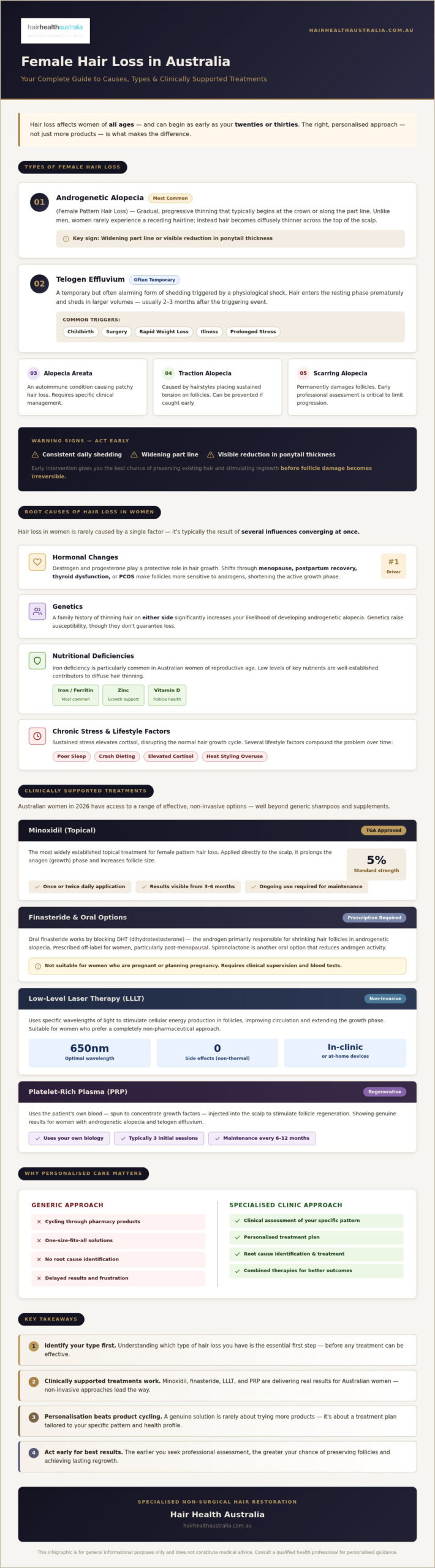
  • Androgenetic alopecia (female pattern hair loss): A gradual, progressive thinning that typically begins at the crown or along the part line. Unlike male pattern baldness, women rarely experience a receding hairline. Instead, the hair becomes diffusely thinner across the top of the scalp while the frontal hairline is largely preserved.
  • Telogen effluvium: A temporary but often alarming form of shedding triggered by a physiological shock to the body. This can follow childbirth, surgery, rapid weight loss, illness, or prolonged stress. Hair enters the resting phase prematurely and sheds in larger volumes, usually two to three months after the triggering event.

Other less common types include alopecia areata (an autoimmune condition causing patchy loss), traction alopecia (caused by hairstyles that place sustained tension on follicles), and scarring alopecias that permanently damage follicles. Each requires a different clinical approach, which is precisely why professional assessment matters.

If you’re noticing consistent shedding, a widening part, or a visible reduction in ponytail thickness, those are signs worth taking seriously. Seeking professional help early gives you the best chance of preserving existing hair and stimulating regrowth before follicle damage becomes irreversible.

Understanding the Causes of Hair Loss

Hair loss in women is rarely caused by a single factor. It’s typically the result of several influences converging at once:

  • Hormonal changes: Oestrogen and progesterone play a protective role in hair growth. When levels shift, whether through menopause, postpartum recovery, thyroid dysfunction, or polycystic ovarian syndrome (PCOS), follicles can become more sensitive to androgens, shortening the active growth phase.
  • Genetics: A family history of thinning hair on either side significantly increases your likelihood of developing androgenetic alopecia. The genetic component doesn’t guarantee hair loss, but it does raise susceptibility.
  • Nutritional deficiencies: Iron deficiency is particularly common in Australian women of reproductive age and is a well-established contributor to diffuse hair thinning. Low levels of ferritin, zinc, and vitamin D have also been associated with increased shedding.
  • Chronic stress and lifestyle factors: Sustained psychological stress elevates cortisol, which can disrupt the normal hair growth cycle. Poor sleep, crash dieting, and overuse of heat styling tools compound the problem over time.

Because these causes overlap and interact, a one-size-fits-all approach simply doesn’t work. Identifying the specific drivers behind your hair loss, through proper clinical assessment rather than guesswork, is what separates ineffective product cycling from a treatment plan that actually delivers results.

Effective Treatments for Female Hair Loss in Australia

Once you understand what’s driving your hair loss, the next question becomes practical: what actually works? The landscape of clinically supported treatments has advanced considerably, and Australian women today have access to a range of options that go well beyond the generic shampoos and supplements lining pharmacy shelves. Finding the right female hair loss cure isn’t about trying everything at once; it’s about selecting the treatments most suited to your specific pattern, cause, and stage of loss.

Medications for Female Hair Loss

Two pharmaceutical options have the strongest clinical backing for women with androgenetic alopecia and related conditions.

Minoxidil remains the most widely used topical treatment for female hair loss. Applied directly to the scalp, it works by prolonging the anagen (active growth) phase of the hair cycle and widening blood vessels around follicles to improve nutrient delivery. It’s available in Australia in both two percent and five percent formulations. The five percent concentration has demonstrated stronger results in clinical studies, though it’s worth discussing the appropriate strength with a clinician, as individual responses vary. Consistency is essential: minoxidil requires ongoing use to maintain results, and many women begin noticing improvements after three to six months of regular application.

Finasteride is prescribed less frequently for women than for men, and it’s generally not recommended for women who are pregnant or planning pregnancy due to the risk of foetal harm. In post-menopausal women, however, low-dose finasteride has shown promising results for androgenetic alopecia in clinical settings. This is a conversation to have with a qualified clinician who can weigh the benefits against your individual health profile.

Nutritional support plays a complementary role. Iron deficiency is particularly prevalent among Australian women of reproductive age, and correcting a documented ferritin deficiency can meaningfully reduce shedding. Zinc, vitamin D, and biotin are also commonly assessed, though supplementation is most effective when there’s a confirmed deficiency rather than as a general preventive measure.

Innovative Non-Invasive Treatments

Non-invasive therapies have become a cornerstone of modern female hair loss treatment, and for good reason. They carry minimal side effect profiles and can be used alongside pharmaceutical options for a compounded effect.

  • Low-level laser therapy (LLLT): This technology uses specific wavelengths of red light to stimulate cellular activity within follicles, increasing energy production and encouraging hair to shift from the resting phase back into active growth. It’s a well-tolerated, painless treatment that suits women at various stages of thinning.
  • Platelet-rich plasma (PRP): PRP involves drawing a small amount of the patient’s own blood, concentrating the growth-factor-rich plasma through centrifugation, and injecting it into areas of thinning. The growth factors work to reactivate dormant follicles and support a healthier scalp environment. Multiple sessions are typically required, with maintenance treatments recommended thereafter.
  • Emerging technologies: Scalp microneedling combined with topical actives, and advanced nutraceutical protocols tailored to specific deficiency profiles, are gaining traction in specialised clinical settings as part of comprehensive treatment plans.

What separates genuinely effective care from the noise is personalisation. A treatment protocol built around your specific diagnosis, lifestyle, and health history will consistently outperform any off-the-shelf approach. If you’re ready to move beyond guesswork, booking a hair health check with Hair Health Australia is a straightforward way to get a clear picture of where you stand and which treatments are most likely to deliver results for you.

Non-Surgical Solutions: Personalised Care for Hair Restoration

Choosing a non-surgical path for hair restoration isn’t settling for second best. For the vast majority of women experiencing thinning or shedding, non-invasive treatments represent the most clinically appropriate, sustainable, and well-tolerated route available. Unlike surgical interventions, they work with your body’s existing biology rather than around it, and they carry a significantly lower risk profile while still delivering meaningful, measurable results.

The real advantage of non-surgical care, however, isn’t any single treatment. It’s the framework around it. A personalised clinical approach, one that accounts for your specific diagnosis, health history, lifestyle, and stage of loss, is what separates genuine progress from the frustrating cycle of trying products that weren’t designed with your situation in mind. That distinction is central to finding a real female hair loss cure rather than a temporary fix.

What to Expect from Non-Surgical Treatments

The process begins with a thorough assessment. A specialist consultation typically involves a detailed review of your hair loss history, scalp examination, and discussion of relevant health factors such as hormonal shifts, nutritional status, and family history. This foundation is what makes subsequent treatment decisions purposeful rather than speculative.

From there, a structured treatment plan is developed around your specific presentation. Progress is monitored through regular check-ins, which serve a dual purpose: they allow your clinician to assess how your follicles are responding and to make timely adjustments if a particular approach needs refinement. Hair restoration is rarely linear, and having a specialist who can interpret changes and recalibrate your plan accordingly makes a significant practical difference.

Women who’ve gone through this process at specialised clinics in Sydney consistently describe the same turning point: the shift from feeling overwhelmed and reactive to feeling genuinely informed and in control. That clarity, grounded in professional guidance rather than guesswork, is often as valuable as the treatments themselves.

Combining Treatments for Best Results

No single therapy works in isolation as effectively as a well-integrated combination. A clinician might pair low-level laser therapy with topical minoxidil to simultaneously stimulate follicle activity and extend the active growth phase. PRP sessions might be scheduled alongside nutritional correction to support the scalp environment from both inside and out. The sequencing and timing of these combinations matters, which is why specialist oversight is essential rather than optional.

Lifestyle factors also play a meaningful supporting role. Consistent sleep, stress management, and a nutrient-dense diet don’t replace clinical treatment, but they do create conditions in which that treatment can work more effectively. A good specialist will discuss these elements as part of a holistic plan rather than treating them as an afterthought.

If you’re ready to move from uncertainty to a structured, evidence-based approach, booking a hair health check with Hair Health Australia is the practical next step. It’s a straightforward way to get a clear clinical picture and understand exactly which combination of non-invasive therapies is best suited to your hair loss pattern and goals.

Female Hair Loss Cure: Effective Solutions for Women in 2026

Real-Life Success Stories: Women Who Found Their Cure

Reading about treatments is one thing. Hearing from women who’ve actually been through the process, who’ve sat where you’re sitting now, feeling uncertain and frustrated, and come out the other side with measurably thicker, healthier hair, is something else entirely. These accounts matter because they ground the clinical picture in lived experience.

Case Studies from Hair Health Australia

The women who come to Hair Health Australia arrive at different stages and with different stories, but a common thread runs through nearly all of them: they’ve already tried the over-the-counter route and found it wanting. What changes the outcome isn’t trying harder with the same approach. It’s finally receiving a clinical assessment that identifies what’s actually driving the loss.

One patient in her early forties had been experiencing diffuse thinning across her crown for nearly three years before her first consultation. Previous attempts with pharmacy-bought treatments had produced no meaningful change. Following a thorough assessment that identified a combination of androgenetic alopecia and a documented ferritin deficiency, she was placed on a structured programme combining topical minoxidil, low-level laser therapy sessions, and targeted nutritional correction. Within six months, she reported a visible improvement in density along her part line, and her follow-up scalp assessment confirmed measurable regrowth in previously dormant areas.

Another patient, a woman in her mid-thirties who had experienced significant shedding following a difficult pregnancy, came in convinced her hair would never fully recover. Her diagnosis pointed clearly to telogen effluvium with a hormonal component. Her personalised plan focused on PRP treatments to reactivate follicles, alongside lifestyle and nutritional guidance. The recovery wasn’t overnight, but it was steady and clinically trackable. That visibility, knowing exactly what was improving and why, was something she described as transformative in itself.

What these cases illustrate is that finding a genuine female hair loss cure isn’t about stumbling across the right product. It’s about having a specialist interpret your specific presentation and build a plan around it.

Advice and Tips from Women Who Regrew Their Hair

Women who’ve navigated this journey successfully tend to share a few consistent reflections:

  • Start sooner than feels necessary. Hair loss responds better to treatment when follicles are still active. Waiting until thinning becomes severe limits what’s recoverable.
  • Trust the process, not the timeline. Hair growth cycles are slow. Expecting visible change within weeks sets you up for unnecessary disappointment. Three to six months is a more realistic window for initial results.
  • Don’t self-diagnose. The type of loss matters enormously for treatment selection. What works for androgenetic alopecia won’t necessarily help telogen effluvium, and vice versa.
  • Consistency is non-negotiable. Skipping treatments or abandoning a plan before it has time to work is the single most common reason progress stalls.
  • Lean on your clinical team. Regular check-ins aren’t just administrative. They’re where your plan gets refined based on how your hair is actually responding.

The emotional dimension of this journey deserves acknowledgement too. Many women describe the process of finally receiving a clear diagnosis as its own form of relief, separate from any physical improvement. Uncertainty is exhausting. Having a specialist explain exactly what’s happening, and exactly what can be done about it, changes the experience entirely.

If you’re ready to move from guesswork to a structured, evidence-based plan, book a hair health check with Hair Health Australia and get the clarity your situation deserves.

Taking the First Step: Book Your Hair Health Check Today

Everything covered in this article, the types of hair loss, the clinical treatments, the real-world outcomes, points toward a single practical conclusion: the most important thing you can do right now is get a proper assessment. Not another product. Not more research. A conversation with a specialist who can look at your specific situation and tell you exactly what’s happening and what can be done about it.

Booking a hair health check with Hair Health Australia is straightforward. You don’t need a referral, and the process is designed to be low-pressure from the start. It’s simply a clinical conversation, structured around understanding your hair loss history, your health, and your goals.

Why a Hair Health Check is Essential

Early intervention is one of the most consistently supported principles in hair loss treatment. Follicles that are thinning but still active respond far better to treatment than those that have been dormant for years. Waiting until loss becomes severe narrows your options considerably, which is why acting sooner, even if you’re unsure whether your concern is “serious enough”, is always the right call.

A professional assessment does something no product or online quiz can: it distinguishes between hair loss types, identifies contributing factors, and rules out underlying health conditions that may need addressing. That diagnostic clarity is the foundation of any genuine female hair loss cure. Without it, you’re selecting treatments based on guesswork rather than evidence.

During your hair health check, you can expect:

  • A detailed review of your hair loss history, including when it started and how it’s progressed
  • A thorough scalp examination to assess follicle health and loss patterns
  • Discussion of relevant health factors, including hormonal history, nutritional status, and family background
  • A clear explanation of what’s driving your specific presentation
  • An outline of the treatment options most suited to your situation

Next Steps After Your Consultation

Leaving your consultation with a personalised treatment plan in hand changes the experience entirely. Instead of uncertainty, you have direction. Instead of trial and error, you have a structured programme with a clear clinical rationale behind each component.

From there, your progress is tracked through scheduled follow-up appointments. These aren’t just check-ins; they’re where your plan gets refined. Hair restoration isn’t always linear, and having a specialist monitor your response and adjust your protocol accordingly is what keeps results on track over time. Ongoing support is built into the process, not bolted on as an afterthought.

The women who see the strongest outcomes are those who commit to the plan, stay consistent, and lean on their clinical team when questions arise. That partnership, between patient and specialist, is what transforms a treatment plan into lasting results.

If you’re ready to stop guessing and start making genuine progress, book your hair health check with Hair Health Australia today. It’s the clearest, most direct path toward understanding your hair loss and doing something meaningful about it.

Your Path to Healthier, Fuller Hair Starts Here

Finding a genuine female hair loss cure isn’t about trying more products. It’s about getting the right clinical picture and a personalised plan built around your specific needs. That’s the thread running through everything covered in this article, from understanding what’s driving your loss to choosing the treatments most likely to work for your situation.

Three things matter most on this journey: acting early before follicle damage becomes harder to reverse, committing to a structured programme rather than guessing your way through options, and working with specialists who focus exclusively on non-invasive hair restoration for women.

Hair Health Australia offers exactly that, with personalised treatment plans designed for women, expert consultations centred on individual needs, and proven non-invasive solutions that deliver measurable results over time.

You don’t have to keep navigating this alone. Start your journey to healthier hair with a Hair Health Check today and take the first clear, confident step toward the results you deserve.

Frequently Asked Questions About Female Hair Loss

What are the most common causes of female hair loss?

Female hair loss most commonly stems from androgenetic alopecia (genetic predisposition), hormonal fluctuations, nutritional deficiencies, and chronic stress. Iron deficiency is particularly prevalent among Australian women of reproductive age and is a well-documented contributor to diffuse thinning. Thyroid dysfunction, polycystic ovarian syndrome, and postpartum hormonal shifts are also frequent underlying factors. Because these causes often overlap, identifying the specific drivers requires professional clinical assessment rather than self-diagnosis.

How effective are non-surgical treatments for hair regrowth?

Non-surgical treatments can deliver genuine, measurable results when they’re matched to the correct diagnosis and applied consistently. Options like low-level laser therapy, platelet-rich plasma, and topical minoxidil have strong clinical backing for women with androgenetic alopecia and related conditions. Effectiveness improves significantly when treatments are combined strategically under specialist supervision rather than used in isolation. The key variable isn’t the treatment itself; it’s whether the treatment suits your specific hair loss pattern and stage.

What role do hormones play in female hair loss?

Hormones are central to how hair grows and sheds. Oestrogen and progesterone support the active growth phase of the hair cycle, so when levels decline, such as during menopause or postpartum recovery, follicles can become more sensitive to androgens. This sensitivity shortens the growth phase and produces progressively finer, shorter strands over time. Conditions like PCOS and thyroid dysfunction compound this effect, which is why a hormonal assessment is often a valuable part of any female hair loss cure evaluation.

Can stress cause hair loss in women?

Yes, sustained psychological stress is a recognised trigger for telogen effluvium, a condition where hair prematurely enters the resting phase and sheds in higher volumes. The shedding typically occurs two to three months after the stressful event rather than immediately, which can make the connection difficult to identify without clinical guidance. While stress-related hair loss is generally temporary, it can become prolonged if the underlying stress isn’t addressed or if it coincides with other contributing factors like nutritional deficiencies.

How long does it take to see results from hair loss treatments?

Most women begin to notice meaningful improvement between three and six months into a consistent treatment programme. This timeline reflects the natural pace of the hair growth cycle rather than any limitation of the treatments themselves. Some women observe a reduction in shedding earlier, which is often the first sign that a treatment is working, before visible density improvements appear. Patience and consistency are non-negotiable; abandoning a plan before it has adequate time to work is the most common reason progress stalls.

Are there any side effects of hair loss medications?

Minoxidil is generally well-tolerated, though some women experience initial scalp irritation or a temporary increase in shedding during the first few weeks of use, which typically resolves as the hair cycle adjusts. Finasteride carries more significant considerations for women, particularly those who are pregnant or planning pregnancy, due to the risk of foetal harm; it’s only considered in specific clinical contexts such as post-menopausal women under specialist supervision. A qualified clinician will assess your individual health profile before recommending any pharmaceutical option.

What should I do if I notice thinning hair?

The most important step is to seek a professional assessment sooner rather than later. Follicles that are thinning but still active respond far better to treatment than those that have been dormant for an extended period. Don’t rely on pharmacy products or online symptom checkers to guide your decisions; the type of hair loss matters enormously for treatment selection, and an incorrect approach can delay real progress. Booking a hair health check with a specialised clinic gives you a clear clinical picture and a structured path forward based on your specific situation.

Clinically Proven Hair Loss Treatments: The 2026 Australian Science-Backed Guide

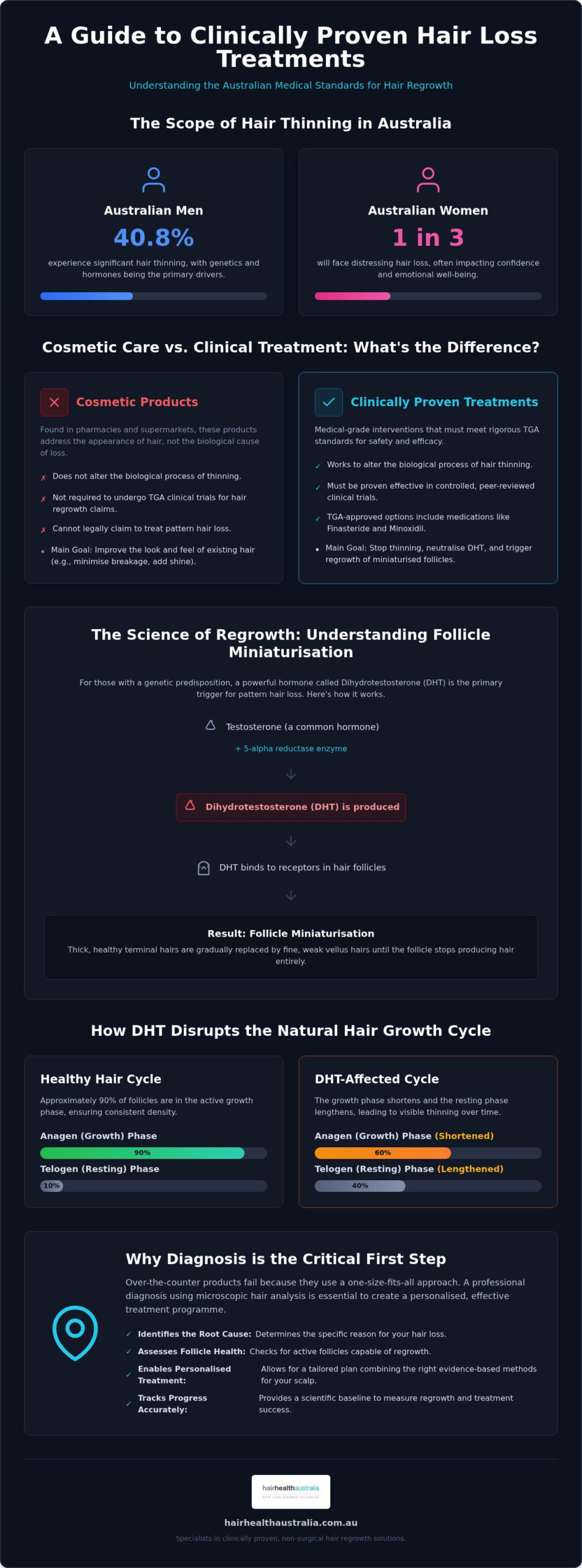
Approximately 40.8% of Australian men and one in three women will experience the distress of thinning hair, yet many find that the solutions on pharmacy shelves offer little more than empty promises. If you have spent years trial-and-erroring over-the-counter products only to see more hair in the drain, you aren’t alone in your frustration. It is exhausting to navigate a sea of conflicting online advice while feeling the mounting pressure of time. This guide is designed to replace that uncertainty with medical clarity by highlighting clinically proven hair loss treatments that are backed by rigorous Australian science and expert diagnostic standards.

You will discover how medical-grade, non-surgical interventions can stop thinning and trigger visible regrowth without the risks associated with invasive surgery. We will break down the 2026 TGA regulations for medications like Finasteride and Minoxidil, the emergence of JAK inhibitors for alopecia areata, and the latest evidence regarding Platelet-Rich Plasma. This article provides a clear overview of the current clinical landscape, explaining why a professional diagnosis is the essential first step to a personalised treatment plan that restores both your hair density and your peace of mind.

Key Takeaways

  • Learn to distinguish between over-the-counter cosmetic products and TGA-approved medical interventions that meet rigorous Australian clinical standards.
  • Understand the biological mechanisms of thinning and how clinically proven hair loss treatments work to neutralise DHT and revitalise miniaturised follicles.
  • Discover why microscopic hair analysis is the essential diagnostic tool for identifying active follicles and developing a personalised treatment strategy.
  • Compare the efficacy of various non-surgical options, from pharmaceutical solutions to the advanced technology of Low-Level Laser Therapy.
  • Find out how to access a professional, no-obligation consultation at a specialised Sydney clinic focused on long-term scalp health and density.

What Defines ‘Clinically Proven’ Hair Loss Treatments in Australia?

In Australia, the term “clinically proven” isn’t just a marketing buzzword; it’s a specific legal and medical benchmark. Many supermarket shelves are lined with shampoos and tonics that claim to “support hair health” or “minimise breakage”. These are cosmetic-grade products. While they might improve the appearance of the hair you already have, they don’t have the TGA authorisation to claim they can regrow hair or treat Pattern hair loss. Real clinically proven hair loss treatments must undergo rigorous, peer-reviewed testing to demonstrate they can alter the biological process of thinning.

The TGA and Australian Clinical Standards

The Therapeutic Goods Administration (TGA) serves as the gatekeeper for medical treatments in Australia. For a treatment to be classified as “proven”, it must show a statistically significant improvement over a placebo in controlled trials. You’ll often see “clinically backed” on labels, which usually means a small, private study was conducted by the manufacturer. This is a red flag. True clinical proof requires standardised metrics: an increase in terminal hair count, improved density per square centimetre, and measurable increases in follicle shaft diameter over a 12 to 24-month period. Medications such as Finasteride and topical Minoxidil remain the benchmark here because they’ve met these exacting standards for decades.

The Role of Evidence-Based Medicine in Trichology

Evidence-based trichology moves past anecdotal “before and after” photos, which can be easily manipulated with lighting or styling. Instead, it relies on scientific data sets. In a clinical setting, we look for the “Active vs. Placebo” delta. This ensures that the regrowth isn’t just a result of seasonal changes or temporary lifestyle shifts. Because every scalp is different, effective clinical programmes often combine several clinically proven hair loss treatments to create a synergistic effect. For example, while one medication might block the hormones causing thinning, another might use technology like Low-Level Laser Therapy to stimulate cellular energy. This multi-angled approach is why a comprehensive Hair Health Check is vital. It allows a specialist to identify which specific evidence-based methods will work for your unique scalp chemistry rather than following a one-size-fits-all retail model.

The Science of Regrowth: Understanding Follicle Health and DHT

Understanding hair loss requires a shift from viewing hair as a static feature to seeing it as a dynamic biological system. Every hair on your scalp operates on a specific cycle consisting of four distinct phases. The Anagen (growth) phase can last several years, followed by the Catagen (transition) and Telogen (resting) phases, before finally reaching the Exogen (shedding) stage. In a healthy scalp, approximately 90% of follicles are in the growth phase at any given time. However, when pattern thinning begins, this rhythm is disrupted. The growth phase shortens, and the resting phase lengthens, leading to a visible reduction in hair volume and coverage.

The primary driver of this disruption is Dihydrotestosterone (DHT), a potent androgen derived from testosterone. In individuals with a genetic predisposition, DHT binds to receptors in the hair follicles, particularly at the crown and hairline. This interaction triggers a process known as miniaturisation. DHT binds to receptors in the scalp, triggering follicle miniaturisation where thick terminal hairs are gradually replaced by fine, translucent vellus hairs until the follicle ceases production entirely. According to the Better Health Channel, this hormonal sensitivity is the most common cause of hair thinning in both men and women across Australia.

DHT Blockers and Follicle Protection

Effective clinical intervention focuses on stopping this hormonal attack before the follicle becomes permanently dormant. Most clinically proven hair loss treatments work by inhibiting the 5-alpha reductase enzyme, which is responsible for converting testosterone into DHT. By lowering the levels of this hormone at the scalp level, we can protect the hair bulb and maintain the diameter of the hair shaft. It is a protective strategy. If you can shield the follicle from DHT, you allow it to return to a healthier, longer growth cycle. This is why early intervention is so critical; it’s far easier to save a miniaturising follicle than it is to reactivate one that has been inactive for years.

Stimulating the Anagen (Growth) Phase

While blocking DHT provides the necessary protection, stimulating the follicle provides the “fuel” for regrowth. This is achieved by increasing blood flow and nutrient delivery to the scalp. Enhanced microcirculation ensures that the hair bulb receives the oxygen and proteins required for robust protein synthesis. Modern clinical programmes often incorporate methods that boost cellular energy, specifically Adenosine Triphosphate (ATP), to prolong the Anagen phase. Because hair grows at a rate of roughly one centimetre per month, consistency is vital. You must align your treatment with these natural rhythms to see meaningful change. Identifying where your follicles sit in this cycle through a professional Hair Health Check is the most reliable way to determine if your resting follicles are still viable for reactivation.

Comparing Top Clinically Proven Non-Surgical Treatments

While many people assume surgery is the only definitive answer to thinning, the reality of modern trichology is far more sophisticated. Clinical programmes now utilise a multi-modal approach that targets hair loss from several biological angles simultaneously. By combining pharmaceutical intervention with advanced technology and nutritional support, patients can often achieve density improvements that were previously thought impossible without a transplant. The science of hair regrowth demonstrates that when multiple pathways are addressed, the success rate for visible regrowth increases significantly. This “combination therapy” is the cornerstone of any effective medical-grade programme.

The Big Two: Minoxidil and Finasteride

Minoxidil and Finasteride remain the foundation of most clinically proven hair loss treatments. They work in complementary ways to achieve a common goal. Minoxidil acts as a vasodilator, widening blood vessels to improve nutrient flow directly to the follicle. Finasteride, conversely, addresses the hormonal cause by inhibiting the 5-alpha reductase enzyme mentioned earlier. It’s vital to understand the clinical timeline. Hair growth is a slow physiological process. You won’t see visible changes for at least 3 to 4 months. In fact, some patients experience a temporary “shedding” phase in the first few weeks. This shouldn’t cause alarm. It indicates that the treatment is pushing out old, thin hairs to make room for new, stronger terminal hairs.

Advanced Clinical Therapies and LLLT

Moving beyond basic pharmacy options, medical-grade Low-Level Laser Therapy (LLLT) has become a vital component of non-surgical care. This technology uses specific wavelengths of light to stimulate the mitochondria within hair cells, a process known as photobiomodulation. This boost in cellular energy helps “wake up” dormant follicles and extends the growth phase. Professional-strength topicals also offer a distinct advantage over chemist-bought alternatives. They are often compounded with specific penetration enhancers to ensure the active ingredients actually reach the hair bulb rather than sitting on the scalp surface. Selecting the best hair regrowth treatment Australia 2026 requires a plan tailored to your specific follicle health rather than a generic product.

The most successful results come from treating the scalp as an ecosystem. Nutritional protocols that address iron, zinc, and vitamin D levels provide the raw materials the body needs to build new hair. When these are paired with medical treatments, the results are synergistic. One method protects the follicle, another feeds it, and a third stimulates its growth cycle. This comprehensive approach is what differentiates a clinical programme from a simple product purchase.

Clinically Proven Hair Loss Treatments: The 2026 Australian Science-Backed Guide

Beyond the Bottle: Why Diagnosis via Microscopic Analysis is Critical

Starting a treatment without a diagnosis is like beginning a journey without a map. While a GP or a hair stylist might provide a cursory visual inspection, they often lack the specialised tools to see what is happening beneath the scalp surface. A standard visual check cannot distinguish between a follicle that is permanently dormant and one that is merely miniaturised and capable of being revived. This is where microscopic analysis becomes the defining factor in the success of clinically proven hair loss treatments. By using high-definition digital scanning, we can measure the Hair Mass Index (HMI) and assess follicle spacing with mathematical precision. This data allows us to predict future thinning patterns before they become visible to the naked eye.

What Happens During a Professional Hair Health Check?

The hair health check is a systematic diagnostic process designed to uncover the root cause of your thinning. It is not a quick glance; it is a deep dive into your scalp’s ecosystem. During the consultation, we look for several key indicators:

  • Scalp Environment: Identifying micro-inflammation or sebum blockages that can stifle the hair bulb.
  • Miniaturisation Levels: Determining the percentage of hairs that have transitioned from terminal to vellus status.
  • Follicle Density: Mapping the number of active follicles per square centimetre to establish a clinical baseline.

This high-magnification imagery allows us to identify the specific pattern and stage of hair loss with total clarity. It ensures that every step of your programme is based on your biological reality rather than guesswork.

Personalising Your Clinical Programme

Generic subscription boxes have become popular across Australia, but they often fail because they ignore individual scalp chemistry. A one-size-fits-all approach cannot account for varying levels of hormonal sensitivity or the specific rate of your follicle miniaturisation. In a clinical setting, your programme is a living document. We adjust treatment concentrations and frequencies based on your microscopic progress reports. Having a dedicated specialist in Sydney to monitor your journey provides a level of accountability and precision that a mail-order service simply cannot match. Digital tracking proves your treatment is working by showing real-time increases in hair shaft diameter and density. To move beyond guesswork and secure a data-driven path to regrowth, you should book a comprehensive hair health check today.

Starting Your Regrowth Journey at a Sydney Hair Loss Clinic

Deciding to address thinning is a significant step, and finding a non-surgical hair loss clinic in Sydney is the most effective way to ensure your efforts are grounded in science. A local clinic provides more than just access to clinically proven hair loss treatments; it offers a controlled, professional environment where your progress is measured with clinical precision. When you walk into your first consultation, you’ll find a calm, medical atmosphere rather than a high-pressure sales environment. A true clinical treatment plan is built on the diagnostic data from your scalp analysis, not a pre-packaged sales pitch. This distinction is vital for anyone seeking realistic, sustainable results.

Practical logistics are designed to be manageable for the modern Australian lifestyle. While your programme will include home-use components to maintain daily follicle stimulation, periodic clinic visits allow for professional-strength treatments and progress tracking. This hybrid approach ensures that the most intensive aspects of your care are handled by specialists, while the daily maintenance fits naturally into your morning or evening routine. By choosing a local Sydney clinic, you benefit from consistent face-to-face support and the ability to adjust your plan in real-time as your hair responds to therapy.

The Non-Surgical Advantage

Many Sydney-siders are now choosing clinical regrowth over hair transplant surgery. The reasons are often practical. Surgical options involve significant downtime, potential scarring, and the inherent risks of invasive procedures. In contrast, non-surgical clinical programmes require no recovery period, so you can maintain your work and social commitments without interruption. Clinical intervention is also far more cost-effective than late-stage restoration. By utilising clinically proven hair loss treatments to revitalise your existing follicles now, you avoid the much higher costs associated with surgical graft sessions later in life.

Commitment to Long-Term Hair Health

Achieving visible regrowth is a marathon, not a sprint. It requires a sustainable routine that respects the natural growth cycles of your follicles. Taking a proactive, science-backed approach often brings a profound sense of relief. Instead of worrying about the permanence of thinning, you’re empowered with a clear, diagnostic-led path forward. This transition from uncertainty to a structured plan is often the most rewarding part of the journey. If you’re ready to move past over-the-counter guesswork and start a professional programme, the first step is simple. Book your Hair Health Check at our Sydney clinic today.

Secure Your Hair’s Future with Clinical Precision

Navigating hair thinning doesn’t have to be a journey defined by uncertainty or wasted investment. You now understand that the most effective path involves moving beyond generic pharmacy products and embracing a diagnostic-led approach. By focusing on the biological causes of thinning and utilising clinically proven hair loss treatments, it’s possible to stop miniaturisation and revitalise dormant follicles without the need for invasive surgery. The combination of medical-grade topicals, oral interventions, and advanced technology like LLLT offers a synergistic solution that simple retail products cannot match.

At Hair Health Australia, we’ve spent over 15 years helping Sydney-siders restore their hair density through specialised non-surgical regrowth programmes. Our advanced microscopic diagnostic technology ensures that every plan is built on data, not assumptions. This professional oversight is the difference between a temporary fix and long-term scalp health. It’s time to take control of your regrowth journey with a partner who values scientific accuracy as much as you value your results. Book Your Comprehensive Hair Health Check in Sydney today and gain the clarity you need to move forward. You don’t have to accept hair loss as permanent; a science-backed solution is within your reach.

Frequently Asked Questions

Are hair loss treatments safe for long-term use?

Yes, the most widely recognised clinically proven hair loss treatments are designed for sustained maintenance. Because pattern thinning is a progressive condition, treatment usually continues for as long as you wish to retain your results. TGA-approved medications and medical-grade devices have undergone extensive safety trials; however, a specialist should monitor your progress to manage any potential side effects or adjust concentrations as your scalp health evolves over time.

How long does it take to see results from clinically proven treatments?

Visible results typically manifest between three and six months after beginning a consistent programme. This timeline is dictated by the natural hair growth cycle, as follicles need time to transition from the resting phase back into the active growth phase. While some patients notice reduced shedding within the first few weeks, significant improvements in density and hair shaft diameter require several months of continuous cellular stimulation to become apparent.

Can I regrow hair if I am already completely bald in some areas?

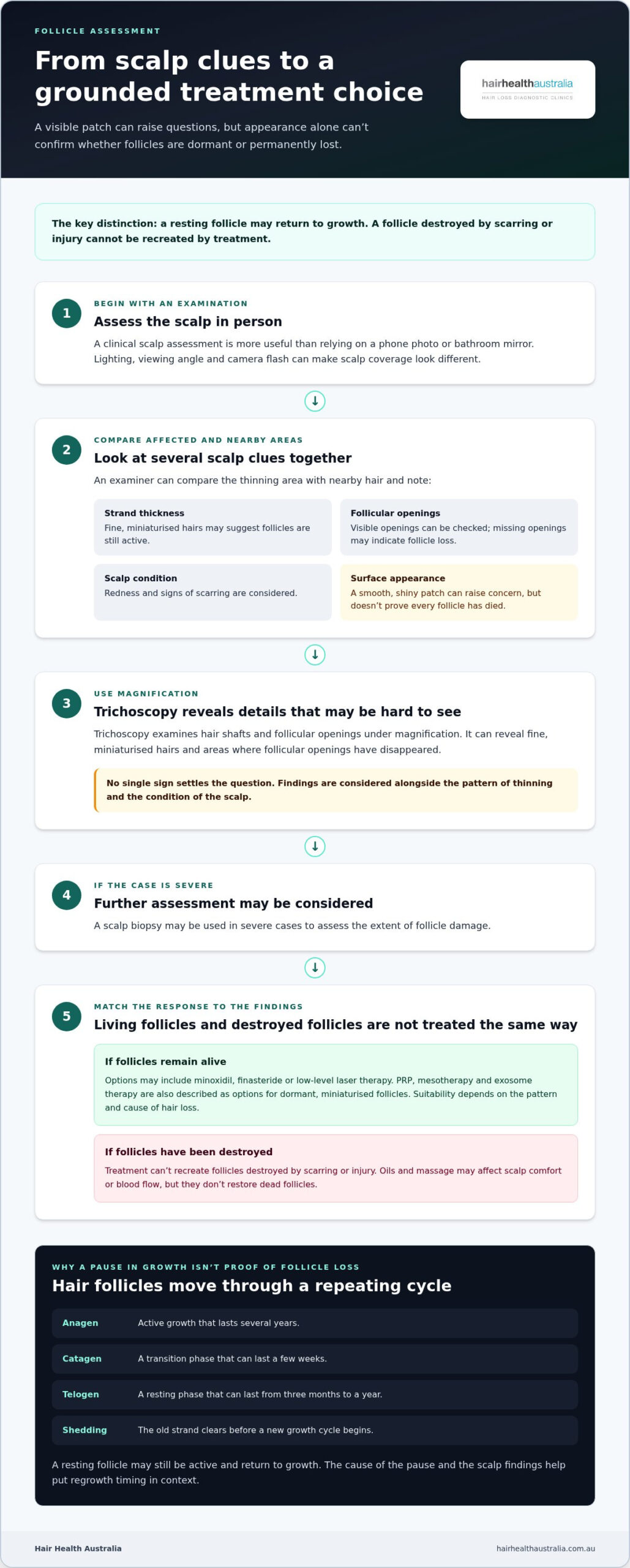
Regrowth is possible if the hair follicles are miniaturised but still active. If an area has been completely smooth for many years, the follicles may have become dormant and replaced by scar tissue, making non-surgical regrowth in that specific spot less likely. A microscopic scan is the only way to determine if viable follicles remain under the surface. If active bulbs are detected, a clinical programme can often revitalise them.

Do I need a prescription for the most effective hair loss treatments in Australia?

Potent medical treatments often require a prescription from a qualified professional. In Australia, medications like oral Finasteride or oral Minoxidil are Schedule 4 substances and cannot be purchased over the counter. While topical Minoxidil is available as a pharmacy medicine, clinical-strength compounded versions often require a script. This ensures the treatment is appropriate for your medical history and that your progress is professionally supervised for the best outcome.

What happens if I stop using a clinically proven hair loss treatment?

If you discontinue a treatment programme, your hair will gradually return to its original thinning pattern. The benefits of clinically proven hair loss treatments last as long as the follicles are being supported. Once the DHT-blocking or growth-stimulating agents are removed, the miniaturisation process will eventually resume. Usually, any hair gained or maintained during the treatment period will slowly thin out over a period of six to twelve months.

Can women use the same hair loss treatments as men?

Women can use many of the same technologies as men, but the pharmaceutical approach often differs significantly. While topical Minoxidil and Low-Level Laser Therapy are effective for both sexes, certain DHT blockers used by men are often contraindicated for women, particularly those of childbearing age. Female pattern hair loss often requires a more nuanced assessment of hormonal health, which is why a personalised diagnostic check is essential before starting any medical programme.

How much do clinical hair loss programmes typically cost in Sydney?

The cost of a clinical programme in Sydney varies depending on the severity of thinning and the specific combination of therapies required. A comprehensive plan often includes a mix of in-clinic sessions, such as laser therapy, and prescribed home-use components. Rather than a one-off fee, these programmes are usually structured around the duration of the hair growth cycle. A professional consultation provides a clear, transparent breakdown of the necessary steps for your specific condition.

Is microscopic hair analysis painful or invasive?

Microscopic hair analysis is a completely painless and non-invasive procedure. It involves using a high-definition digital sensor to scan the scalp surface and follicles at high magnification. There are no needles or biopsies involved. The process allows you to see your own follicles on a screen in real-time, providing a clear visual baseline that is used to track your progress and verify that your treatment plan is working effectively.

Best Hair Regrowth Treatment Australia 2026: A Clinical Reference Guide

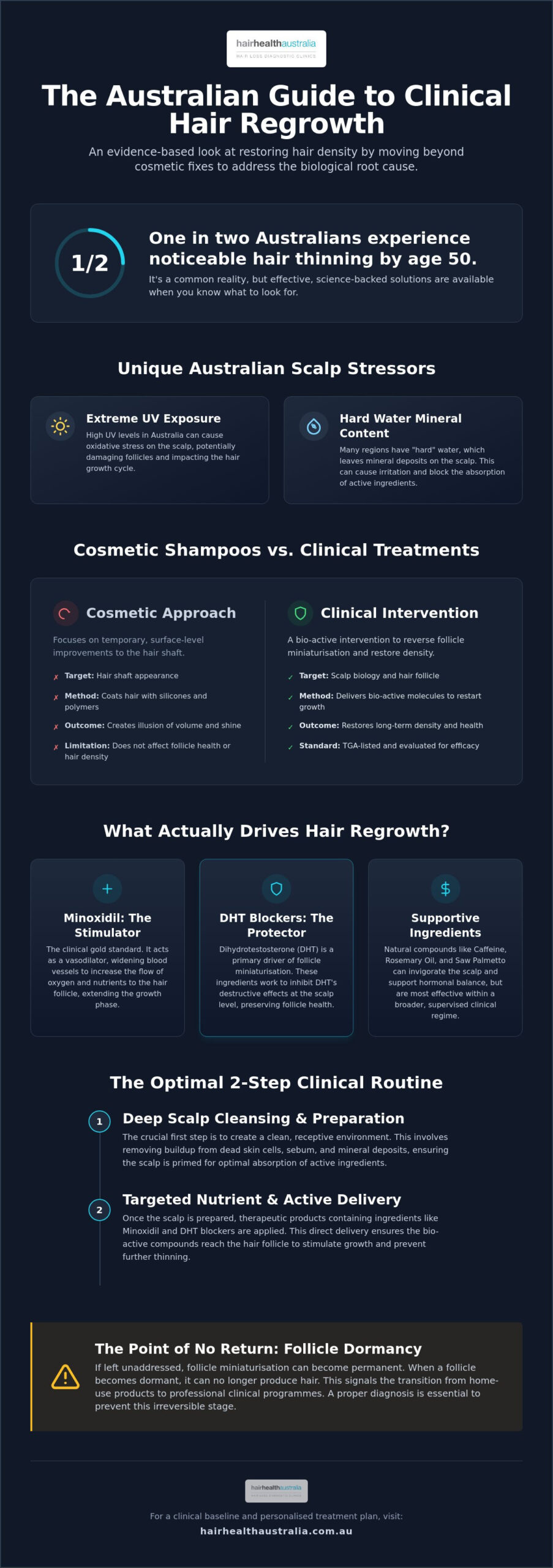
One in two Australians experience noticeable hair thinning by the age of 50. It’s a confronting reality that often leads to a cycle of trial and error with supermarket shampoos that promise much but deliver little. You’ve likely felt the frustration of watching your hairline recede while wondering if you’re simply wasting money on cosmetic fixes that don’t address the biological root cause. Finding an effective hair regrowth treatment Australia wide has become increasingly complex as the market is flooded with products that lack clinical rigour and scientific backing.

We understand the anxiety that comes with the fear of permanent follicle death, and we’re here to replace that uncertainty with scientific clarity. This guide provides an evidence-based look at Australian clinical standards and the bio-active ingredients that actually work. You’ll learn how to distinguish between basic cosmetic products and TGA-listed therapeutic goods, especially following the 2026 TGA regulatory updates. We’ll also outline a clear framework for identifying when it’s time to seek professional clinical help in Sydney to ensure your hair health is managed with precision, care, and realistic expectations.

Key Takeaways

  • Understand how unique local factors, such as extreme UV exposure and water mineral content, influence scalp health and treatment efficacy in the Australian climate.
  • Identify the clinical gold standards, including Minoxidil and DHT blockers, that form the foundation of a scientifically backed hair regrowth treatment Australia.
  • Learn why a professional diagnostic framework is essential to prevent follicle miniaturisation and avoid the common pitfall of wasting money on ineffective cosmetic products.
  • Discover the two-step clinical routine for optimal follicle stimulation, starting with deep scalp cleansing followed by targeted nutrient delivery.
  • Recognise the “point of no return” when follicles become permanently dormant, signalling the transition from home-use products to professional clinical programmes.

Understanding the Hair Regrowth Landscape in Australia for 2026

A hair regrowth treatment Australia doesn’t just mean a better shampoo; it represents a targeted bio-active intervention designed to reverse follicle miniaturisation. At its core, clinical regrowth focuses on the biological health of the scalp and the hair growth cycle rather than just the appearance of the strands. In the Australian environment, this distinction is vital. Our unique climate presents specific challenges, from extreme UV exposure that can cause oxidative stress on the scalp to “hard” water in various regions that leaves mineral deposits, potentially irritating the skin and hindering product absorption.

Success depends on identifying the underlying cause of thinning. For many, this involves Pattern hair loss (androgenetic alopecia), a genetic condition where follicles gradually shrink until they stop producing hair. A generic “hair fall control” product often only coats the hair shaft to prevent breakage. In contrast, a therapeutic stimulant works to revitalise the follicle itself. If you aren’t addressing the specific reason your hair is thinning, you’re likely investing in a solution that can’t provide the density results you’re looking for.

Cosmetic vs. Clinical: Knowing the Difference

The retail market is saturated with cosmetic serums that focus on the hair shaft, providing temporary volume and shine through silicones or film-forming polymers. These don’t change the rate of growth or the density of the hair. Clinical treatments target the follicle and scalp biology for long-term density restoration. Clinical hair growth products are bio-identical signalling molecules that restart the growth cycle. They move beyond surface-level aesthetics to influence the cellular environment where hair production begins.

The Role of the Australian TGA in Regrowth Standards

In Australia, the Therapeutic Goods Administration (TGA) maintains strict oversight of products that claim to treat medical conditions. While you’ll often see the term “clinically proven” in retail environments, it’s frequently misused to describe small-scale consumer perception studies rather than rigorous medical trials. Choosing a professional treatment means looking for evidence that goes beyond marketing buzzwords.

To ensure you’re using an authentic hair regrowth treatment Australia, you should verify if the product is registered on the Australian Register of Therapeutic Goods (ARTG). This registration confirms the product has been evaluated for safety and that its therapeutic claims are supported by evidence. Choosing a TGA-listed treatment ensures you’re using a formula held to clinical standards, providing a level of transparency that cosmetic alternatives simply cannot match. Before starting any regime, it’s wise to undergo a hair health check to establish a clinical baseline for your specific needs.

Active Ingredients: What Actually Drives Regrowth?

Selecting an effective hair regrowth treatment Australia requires a clear understanding of the bio-active ingredients that drive follicle recovery. While marketing often focuses on exotic extracts, clinical success is rooted in compounds that either stimulate blood flow, block destructive hormones, or signal cellular repair. Minoxidil remains the clinical gold standard for stimulation. By acting as a vasodilator, it widens the blood vessels around the follicle, which ensures a consistent supply of oxygen and nutrients to the hair bulb. This process helps to extend the growth phase and can effectively “wake up” follicles that have begun to thin.

Beyond simple stimulation, modern protocols often incorporate natural supportive ingredients. Compounds such as caffeine and rosemary oil have shown promise in clinical studies for their ability to invigorate the scalp environment. Saw palmetto is also frequently utilised for its potential to support hormonal balance at the scalp level. However, these natural stimulants are generally most effective when used as part of a broader, clinically supervised regime rather than as standalone solutions. Following Australian government health advice on alopecia, it’s essential to identify your specific type of hair loss to ensure these ingredients are targeted correctly.

The Science of DHT Inhibition

For both men and women, Dihydrotestosterone (DHT) is often the primary driver of follicle miniaturisation. DHT binds to androgen receptors in the scalp, causing the anagen (growth) phase of the hair cycle to shorten over time. This results in hair that grows back thinner and shorter until the follicle eventually stops producing hair altogether. Blocking this process is the non-negotiable foundation of managing pattern baldness. Australian patients can choose between systemic options or topical DHT blockers, which offer the advantage of delivering the active ingredients directly to the affected area while minimising broader absorption.

Biotech Advancements: Peptides and Stem Cell Signalling

The 2026 landscape has seen a significant shift toward bio-identical signalling. Modern peptides work by mimicking the natural growth factors that tell your body to produce new hair cells. Unlike older, harsher chemical treatments, these biotech advancements focus on “cell talk,” encouraging dormant follicles to return to an active state. Peptide-based therapies represent the most significant advancement in non-surgical hair science this decade. They offer a refined approach for those seeking restoration without the side effects sometimes associated with traditional pharmaceuticals. Establishing whether your thinning is caused by DHT or environmental factors is the first step toward recovery, which is why understanding the science of hair growth and clinical support is often recommended before starting a new regime.

The Diagnostic Framework: Why You Shouldn’t Buy Yet

Before investing in any hair regrowth treatment Australia offers, you must understand what you’re actually treating. Self-diagnosing based on a quick glance in the mirror or a social media ad often leads to wasted expenditure and, more critically, delayed results. Hair loss isn’t a singular condition. It’s a symptom of various biological processes. If you treat stress-induced shedding (Telogen Effluvium) with ingredients meant for genetic thinning (Androgenetic Alopecia), you’re simply not addressing the root cause. This mismatch allows the actual problem to progress, potentially leading to irreversible follicle death.

Clinical precision is the only way to avoid this cycle. Modern advancements, such as the TGA approval of Litfulo (ritlecitinib) for specific severe cases, demonstrate how specialised treatments must be for different types of hair loss. Without a clear starting point, you’re essentially guessing with your health. A professional hair health check provides the data needed to build a targeted, effective regime from day one. It’s about moving away from “hope in a bottle” and toward a methodical, evidence-based plan.

Microscopic Analysis: The Professional Standard

High-magnification scans are the cornerstone of a clinical approach. These scans reveal follicle health that the naked eye cannot detect. We can see signs of miniaturisation, where the hair bulb begins to shrink, long before visible thinning appears on the crown or hairline. By the time you notice a gap, you may have already lost up to 50% of the hair density in that area. Seeking a diagnosis at a Sydney hair clinic allows for early intervention. This proactive step is significantly more effective than trying to “resurrect” dormant follicles once they’ve already scarred over.

Scalp Health as the Foundation for Growth

Even the most advanced bio-active serum will fail if the scalp environment is compromised. Think of your scalp as the soil and your hair as the plant. If the soil is inflamed, overly oily, or clogged with environmental pollutants, the “plant” cannot thrive. Clogged pores and excess sebum can trap DHT near the follicle, accelerating the thinning process. We often see patients who’ve spent hundreds on premium serums but haven’t addressed basic scalp hygiene. You can learn more about these essential maintenance protocols by reviewing our guide on Scalp Health and Hair Loss. Preparing the scalp environment is a non-negotiable step in any successful regrowth journey.

Best Hair Regrowth Treatment Australia 2026: A Clinical Reference Guide

How to Organise a Clinical-Grade Hair Routine

Success with a hair regrowth treatment Australia doesn’t happen by accident. It requires a methodical approach that respects the biological timeline of the hair follicle. Once a diagnosis has identified your specific needs, you must transition into a structured daily protocol. This isn’t a simple “wash and go” retail experience. It’s a systematic intervention designed to keep follicles active and healthy. By following a structured routine, you ensure that each product has the best possible chance to penetrate the scalp and deliver results.

  • Step 1: Deep Cleansing. You must remove DHT-laden sebum and environmental pollutants from the scalp surface. A clean foundation ensures that subsequent treatments aren’t blocked by oily buildup or dead skin cells.
  • Step 2: Nutrient Delivery. Use clinical-grade shampoos specifically formulated for follicle stimulation. These differ from cosmetic versions by delivering active compounds directly to the scalp skin rather than just coating the hair shaft.
  • Step 3: Targeted Stimulant Application. Apply your prescribed serums or tonics to a clean, receptive scalp. Focus on the areas of greatest thinning to ensure the highest concentration of bio-active ingredients reaches the follicles.
  • Step 4: Internal Support. Topical treatments work best when supported from within. Hair-specific micronutrients fuel the growth phase, providing the raw materials needed for robust keratin production. Understanding the difference between retail supplements and genuine hair growth support backed by clinical evidence is essential at this stage.
  • Step 5: The 90-Day Rule. Consistency is the only path to visible results. You must commit to the routine for at least 90 days before expecting to see structural changes in hair texture or density.

Morning vs Evening Protocols for Maximum Absorption

Timing your applications can influence how well your scalp absorbs active ingredients. Many clinical stimulants are best applied in the evening. This allows the product to work undisturbed by daily styling products or environmental UV exposure. It also aligns with the body’s natural circadian rhythms, where cellular repair processes are often more active. A three-minute scalp massage during application can further increase local blood circulation. This simple action helps move the bio-active molecules deeper into the follicle. If you find product buildup is an issue, adjust your morning cleansing routine to maintain a fresh scalp environment without stripping away essential moisture.

Measuring Success: What to Expect in the First 6 Months

Managing your expectations is a vital part of the clinical process. During the first few weeks of a new regime, you may experience a temporary increase in shedding. Don’t panic. This is often a sign that dormant follicles are “resetting” and pushing out old, thin hairs to make room for new, stronger growth. You can use hair density checks and monthly high-resolution photos to track your progress objectively. True density changes usually become visible between the three and six-month marks. If you’re ready to move beyond guesswork, it’s time to book a hair health check and establish your clinical baseline.

When Products Aren’t Enough: Professional Sydney Solutions

Even the most diligent home routine has its limits when faced with aggressive or long-term thinning. There comes a stage in the hair loss journey often referred to as the “Point of No Return.” This occurs when follicles have undergone such extreme miniaturisation that they become permanently dormant. Over time, the follicle opening can scar over, a process called fibrosis. Once this happens, no topical hair regrowth treatment Australia can reach the hair bulb to stimulate new growth. Identifying this threshold early is the difference between successful restoration and continued, irreversible loss.

Moving beyond over-the-counter shelf products requires a shift from a “product” mindset to a “managed programme.” While retail serums serve a purpose for early-stage thinning, advanced loss demands clinical management. The Hair Health Australia approach focuses on personalised clinical regrowth that bridges the gap between basic home care and invasive surgery. We provide a structured, non-surgical framework that targets the biological drivers of your specific hair loss type, ensuring that every intervention is data-driven and results-oriented.

In-Clinic Therapies vs Home Kits

Clinical equipment, such as medical-grade low-level laser therapy, provides a level of follicle stimulation that home kits simply cannot match. These in-clinic therapies enhance product penetration by increasing local blood flow and cellular energy within the scalp. The primary benefit of a professional programme is the continuous supervision. A specialist can monitor your scalp’s response and adjust dosages or formulas as your hair health evolves. This level of precision is why many Sydney residents are increasingly choosing non-surgical restoration over the high costs and recovery times associated with invasive transplants.

Your Next Step: The Professional Consultation

It’s natural to feel a sense of anxiety before your first clinical visit. Many people worry they will be met with a sales pitch or told it’s too late. Our approach is built on a “straight-talking” assessment designed to provide clarity rather than false hope. During a clinical hair health assessment at our Sydney centre, we use high-magnification imaging to establish exactly where your follicles sit on the growth spectrum. We tell you honestly what can be revitalised and what has passed the point of clinical intervention. This transparency allows you to make an informed decision about your future. If you are ready for a definitive answer, book your clinical hair analysis at our Sydney centre today to begin your managed journey toward restoration.

Securing Your Future Hair Health

Achieving sustainable density requires moving beyond the “hope in a bottle” mindset. As this guide has detailed, an effective hair regrowth treatment Australia depends on a precise clinical diagnosis combined with the consistent application of bio-active stimulants. By prioritising scalp health and understanding the biological timeline of the hair follicle, you can effectively intervene before miniaturisation becomes permanent. Success isn’t found in a single supermarket product, but in a managed, evidence-based strategy that respects your unique biology.

Since 2009, we’ve operated as dedicated non-surgical regrowth experts, providing every client with detailed clinical microscopic analysis to establish a clear baseline. We develop tailored programmes for both men and women, focusing on transparency and realistic expectations. Our goal is to ensure you have the knowledge to make the right choice for your hair’s future. It’s never too early to take control of your density and replace uncertainty with a professional, data-driven plan.

Book Your Comprehensive Hair Health Check in Sydney today to begin your journey toward a healthier, fuller head of hair with confidence.

Frequently Asked Questions

Do hair growth products actually work for genetic balding?

Clinical hair growth products can be highly effective for genetic balding if the follicles are still active. These treatments work by inhibiting Dihydrotestosterone (DHT), the hormone responsible for shrinking follicles in androgenetic alopecia. While they cannot change your underlying genetics, they can halt miniaturisation and revitalise thinning hair to restore density. Success depends on starting the programme before the follicles have permanently scarred over.

How long does it take to see results from hair regrowth treatments in Australia?

You should expect to see visible changes between three and six months of consistent use. This timeline aligns with the natural hair growth cycle, which requires time to transition from the resting phase back into the active growth phase. Initial results often appear as fine, downy hairs that gradually thicken into stronger terminal hairs over several months of a dedicated hair regrowth treatment Australia.

Can I use hair growth products if I have a sensitive scalp?

Yes, but you must select clinical formulas specifically designed for scalp health. Many over-the-counter retail products contain high concentrations of alcohol or harsh preservatives that can trigger irritation. We recommend peptide-based signalling molecules or alcohol-free topicals that provide the necessary stimulation without compromising the delicate skin barrier. It’s always best to have a professional assessment to identify specific triggers before starting.

What is the best ingredient for female hair thinning in 2026?

Minoxidil remains the clinical gold standard for female thinning, though 2026 has seen a significant shift toward combining it with bio-identical peptides. These growth factors help signal cellular repair without the hormonal side effects sometimes associated with other pharmaceuticals. A multi-faceted approach that addresses both scalp circulation and nutrient delivery typically yields the most reliable results for women experiencing diffuse thinning or hormonal changes.

Is it better to use a hair growth shampoo or a leave-in serum?

Leave-in serums are generally more effective for active regrowth because they remain on the scalp for several hours. This extended contact time allows for deeper penetration of bio-active ingredients into the follicle. While growth shampoos are excellent for preparing the scalp and removing DHT-laden sebum, they are a supporting step rather than the primary driver of density restoration. For the best results, use both in a structured routine.

Should I wash my hair every day when using growth treatments?

Daily washing is often recommended when using a clinical hair regrowth treatment Australia to prevent product buildup. A clean scalp ensures that each application of your stimulant can reach the follicles without being blocked by old residue, oils, or environmental pollutants. If your scalp is particularly dry, we can adjust your routine to ensure you maintain hygiene without causing dehydration or stripping away essential natural oils.

Are there any side effects to clinical hair regrowth treatments?

Potential side effects are generally mild and may include temporary scalp irritation or an initial increase in shedding. This initial shedding is a normal biological response where the follicle pushes out a thin, weak hair to make room for a new, stronger one. If you experience persistent redness or itching, it’s essential to consult with a specialist. We can often adjust your formula or dosage to ensure the treatment remains comfortable.

Can I combine different brands of hair growth products safely?

We don’t recommend mixing different brands without professional guidance. Some active ingredients can cancel each other out or cause unexpected scalp reactions when combined. A managed clinical programme ensures that all components of your routine are chemically compatible and designed to work together. This systematic approach maximises your results while minimising the risk of irritation or ingredient interference that can occur with a “DIY” product mix.